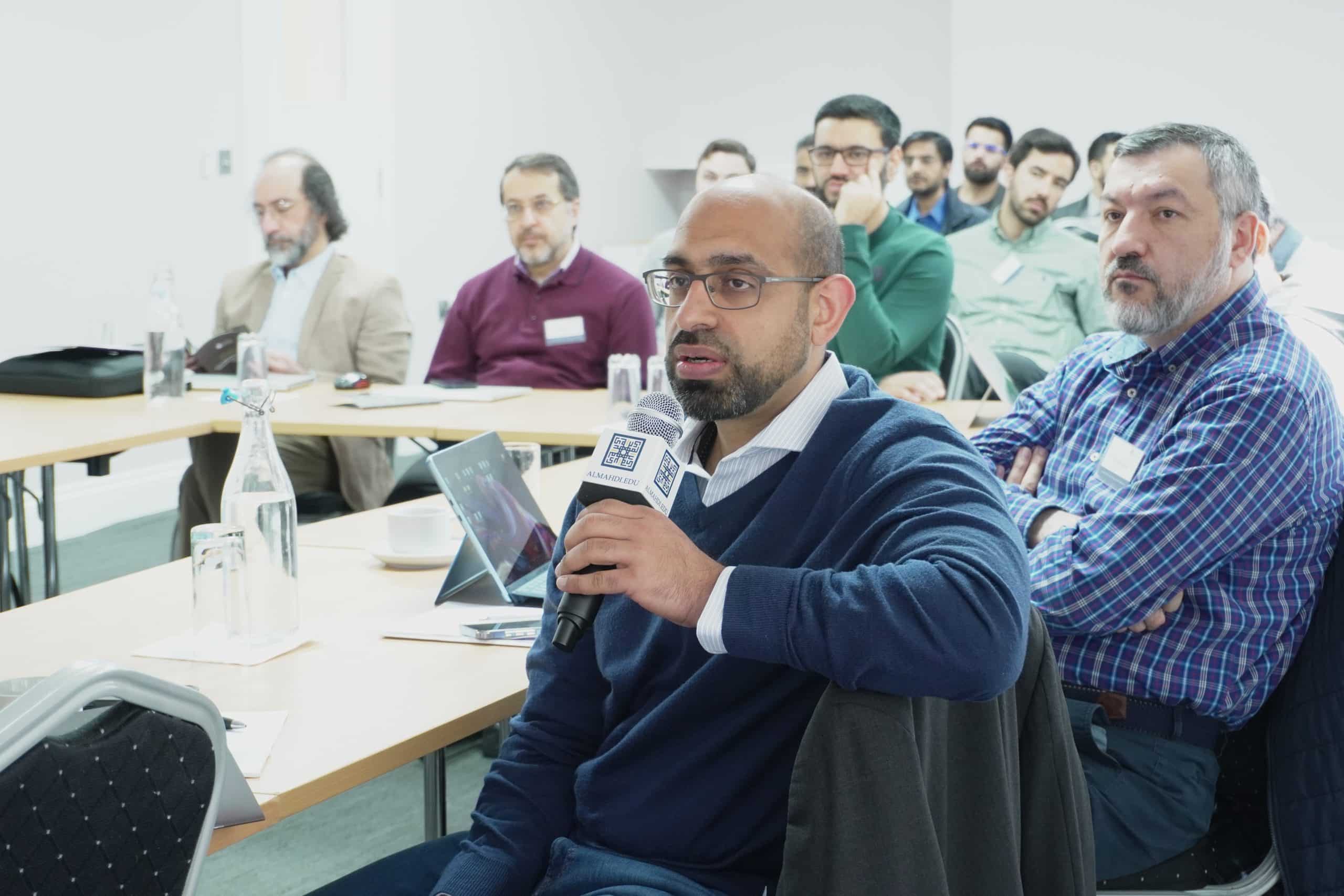
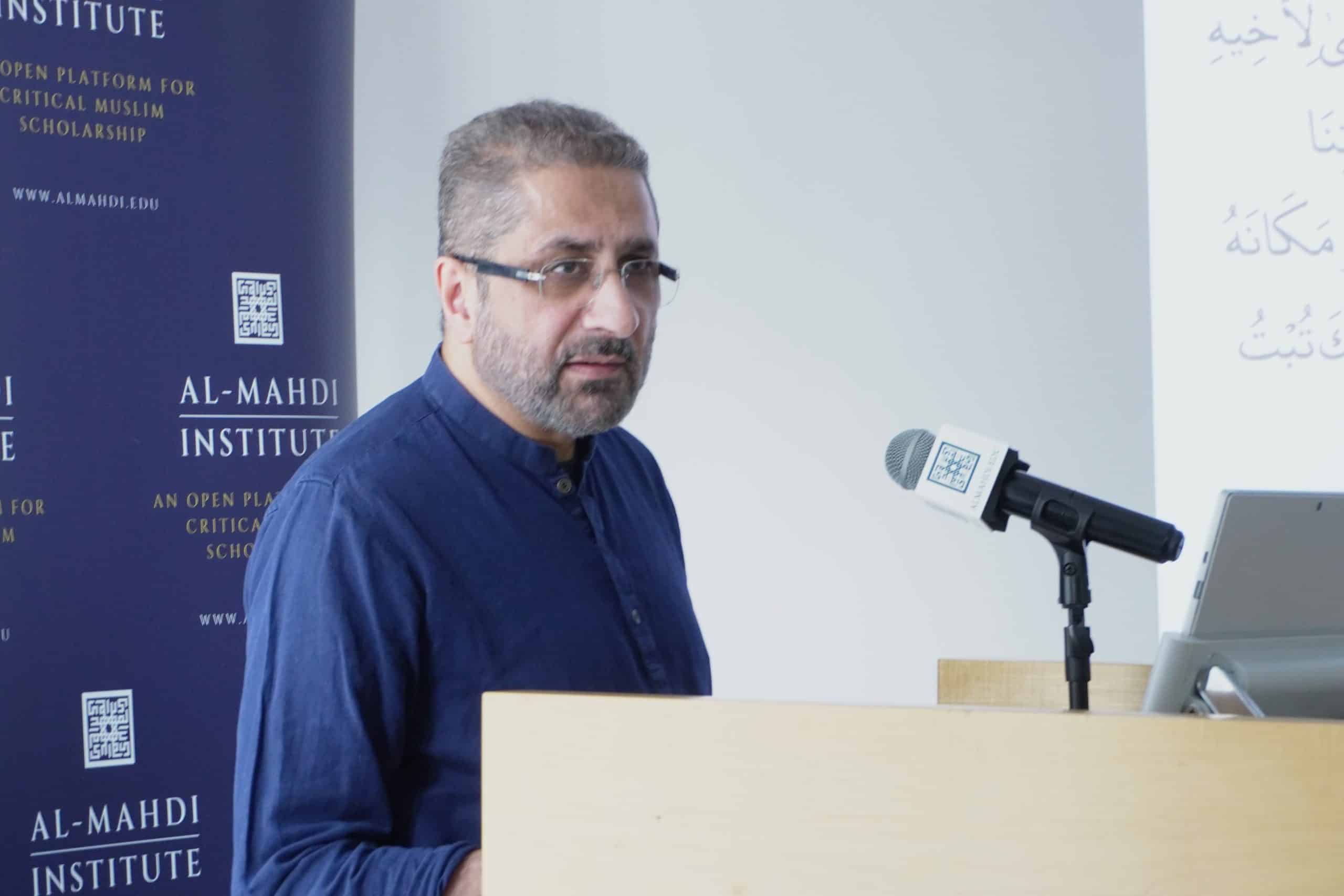
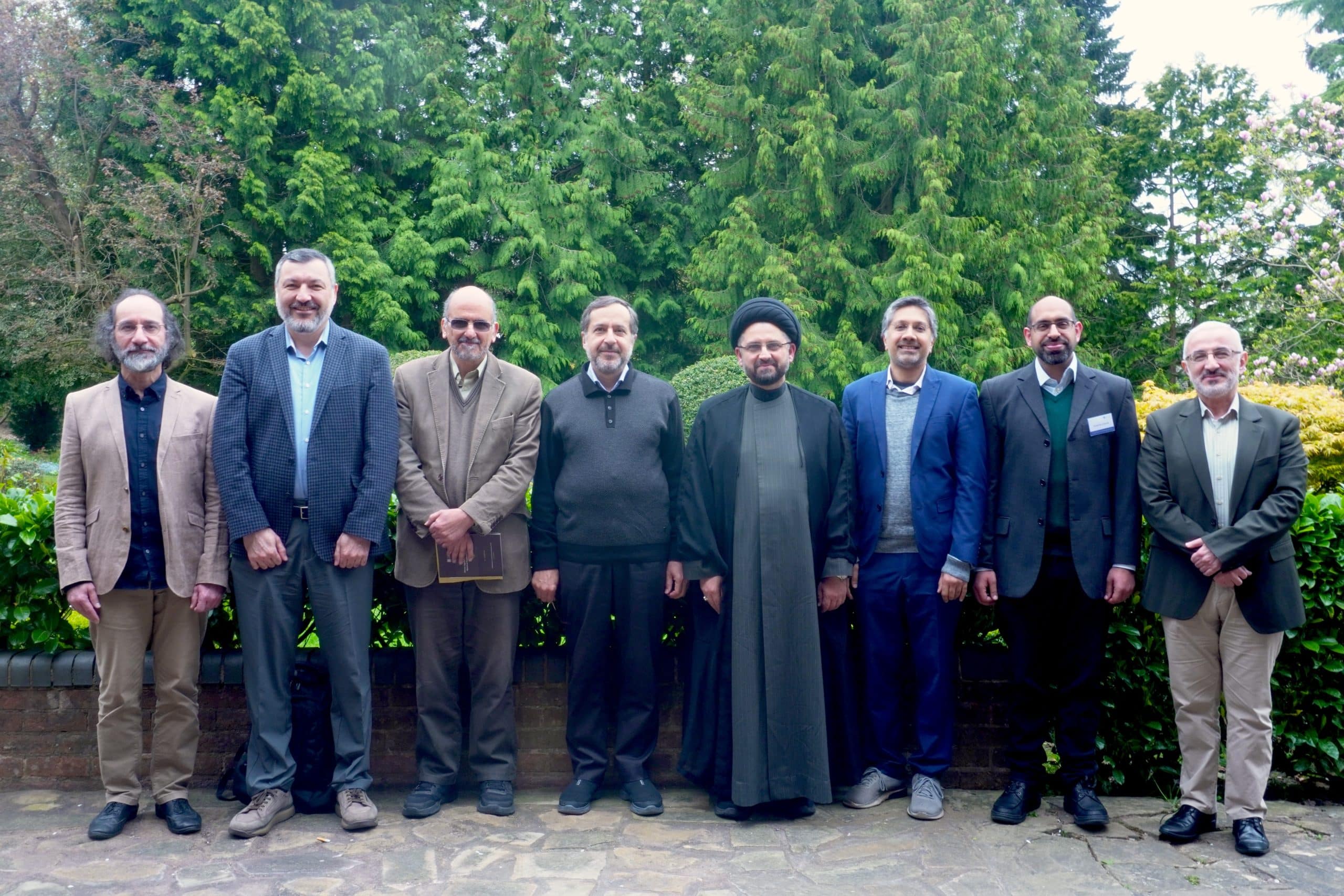
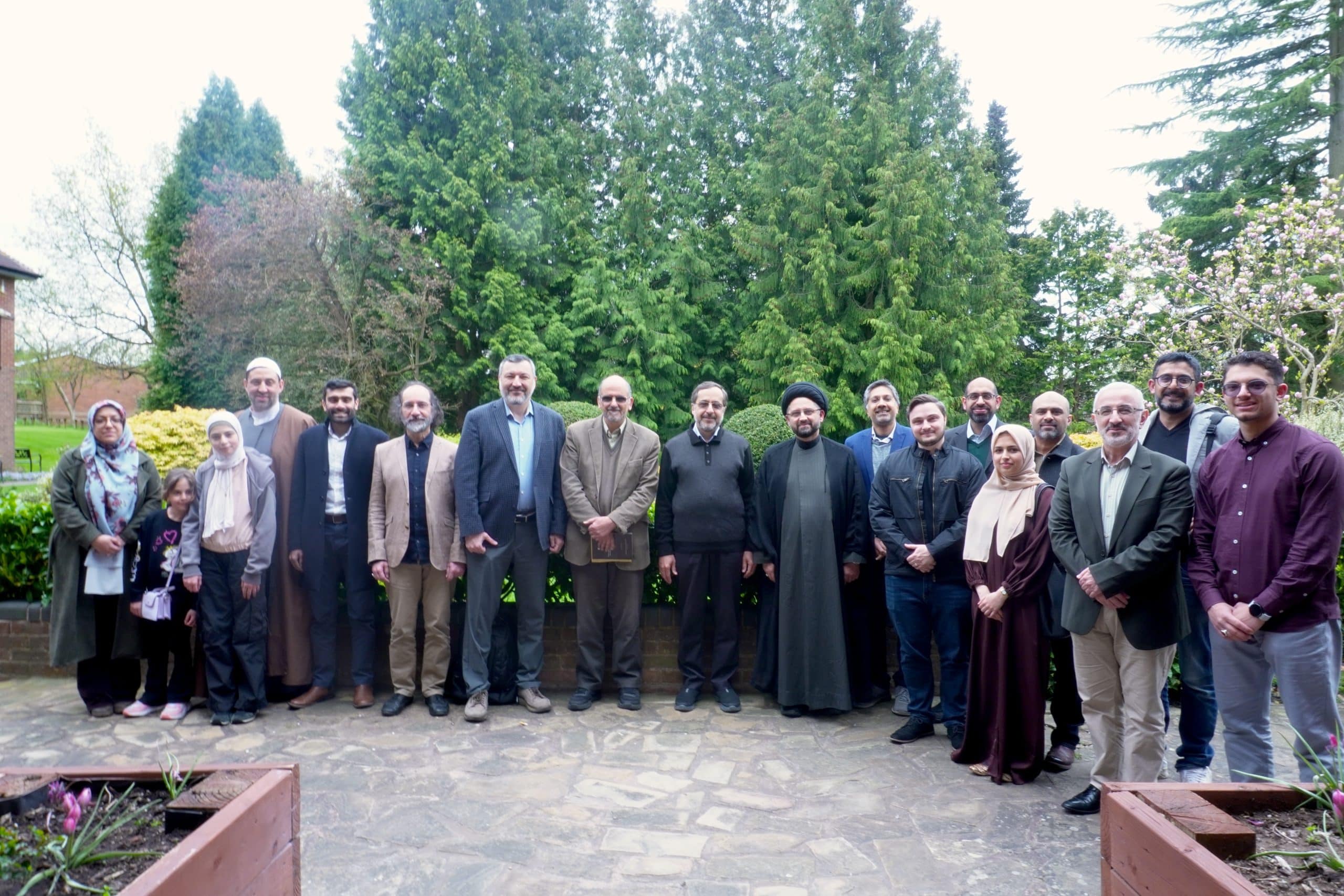
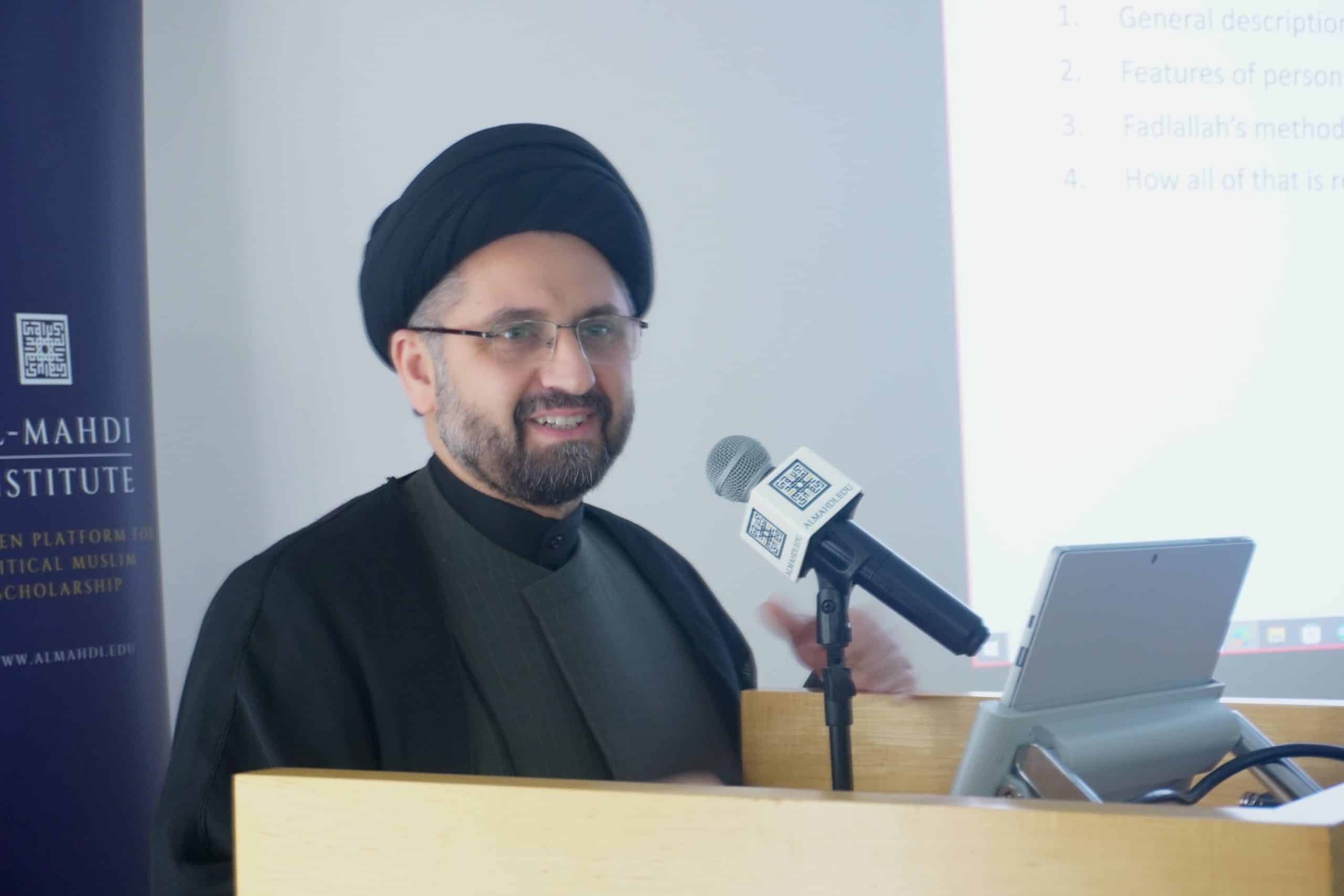
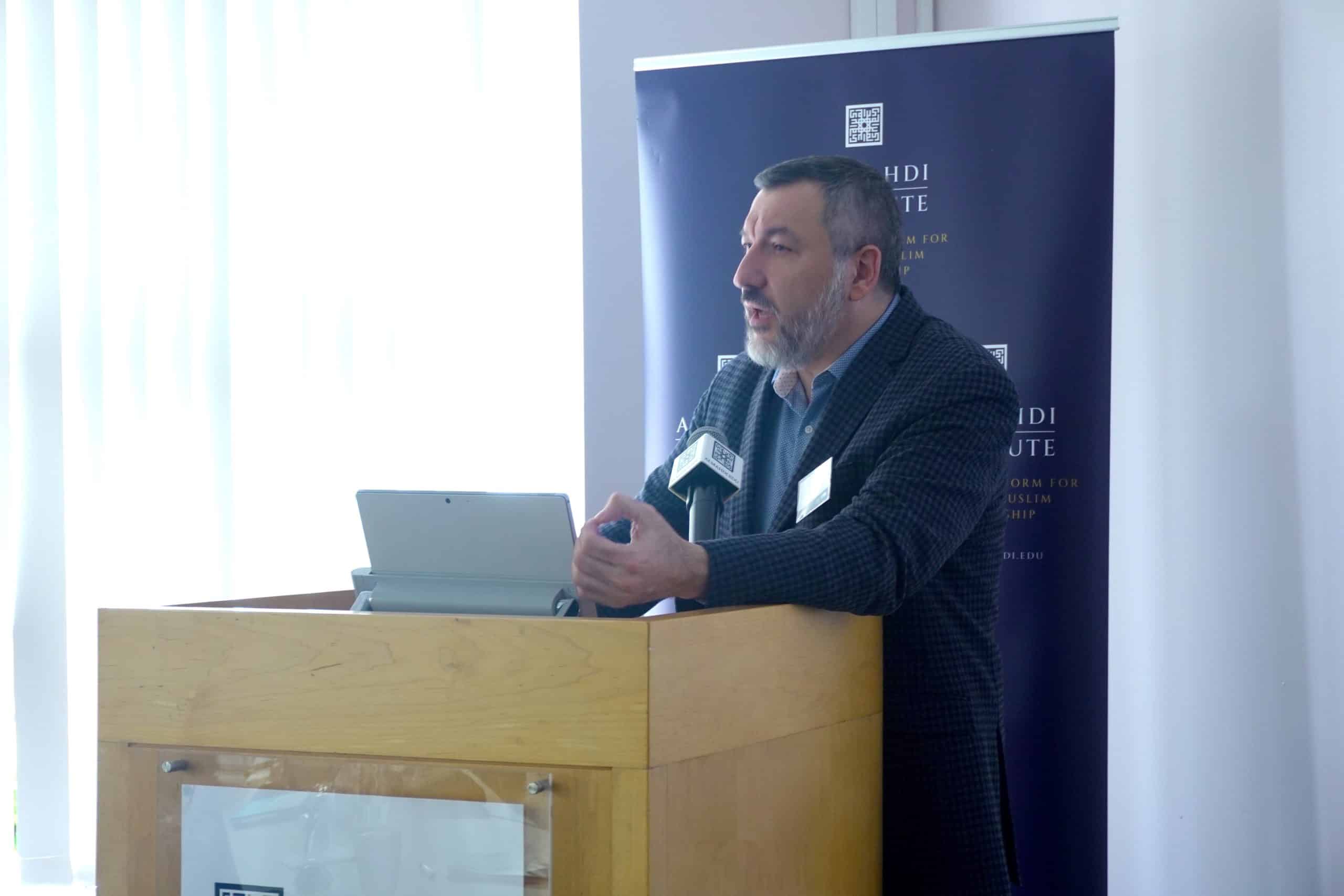
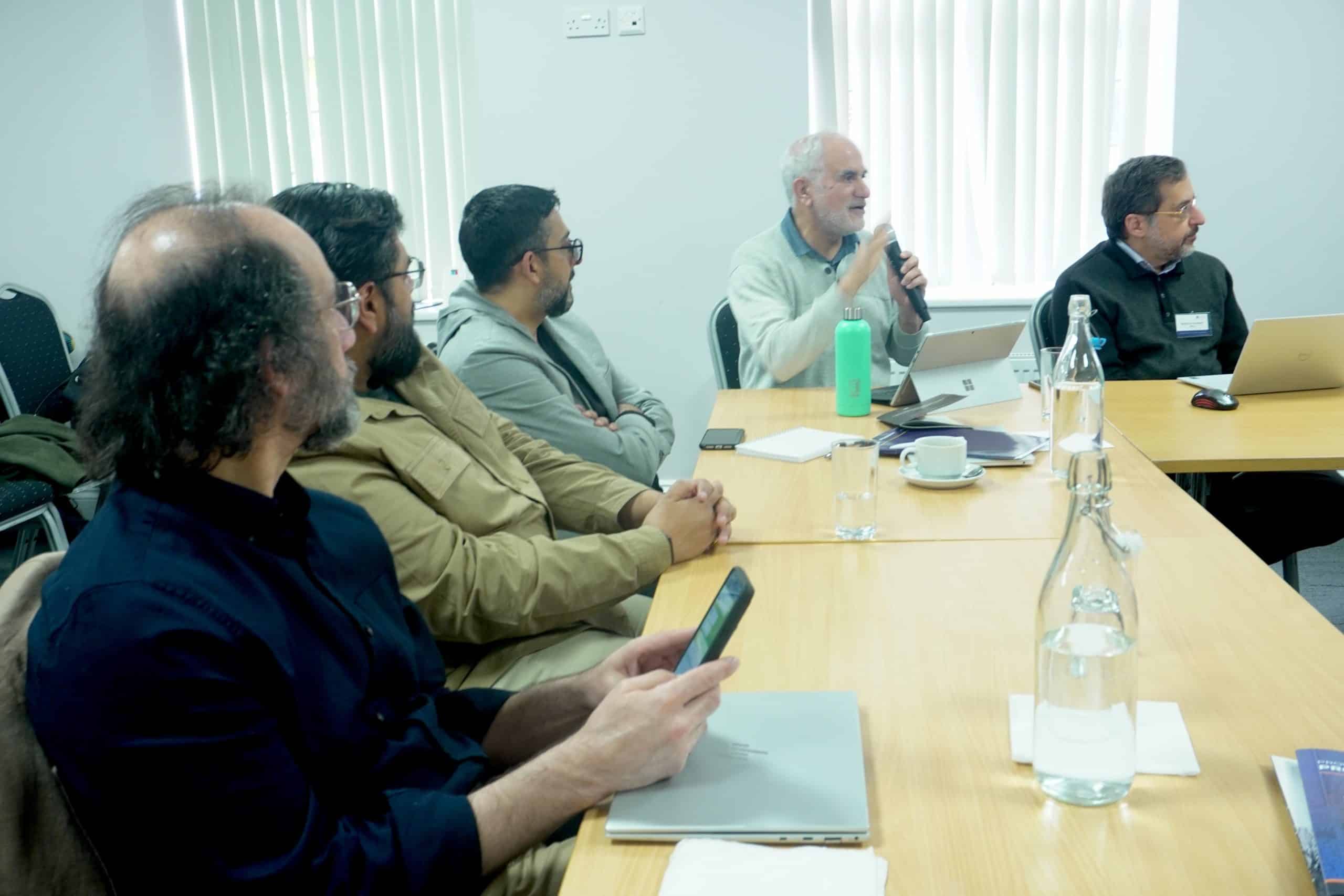
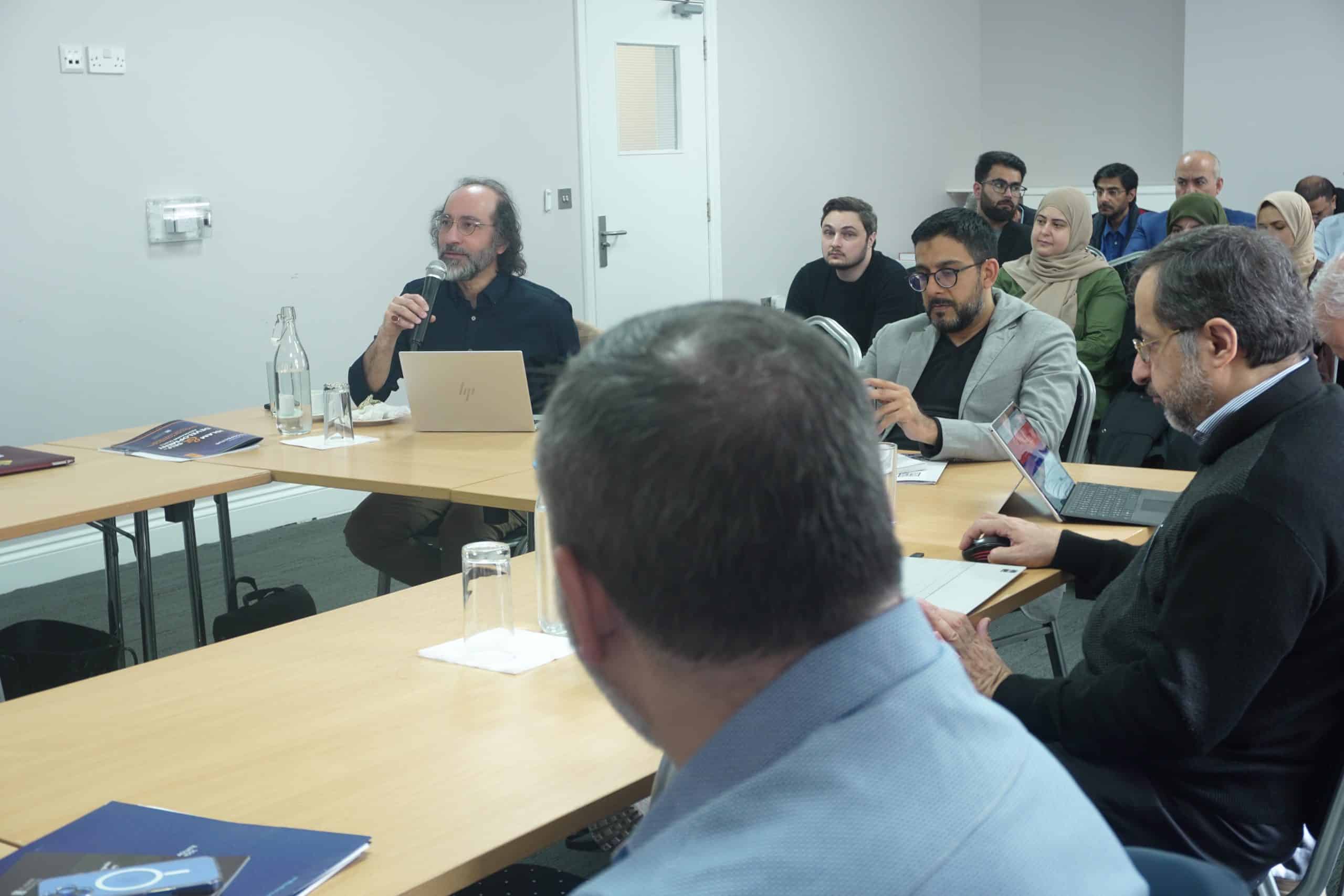
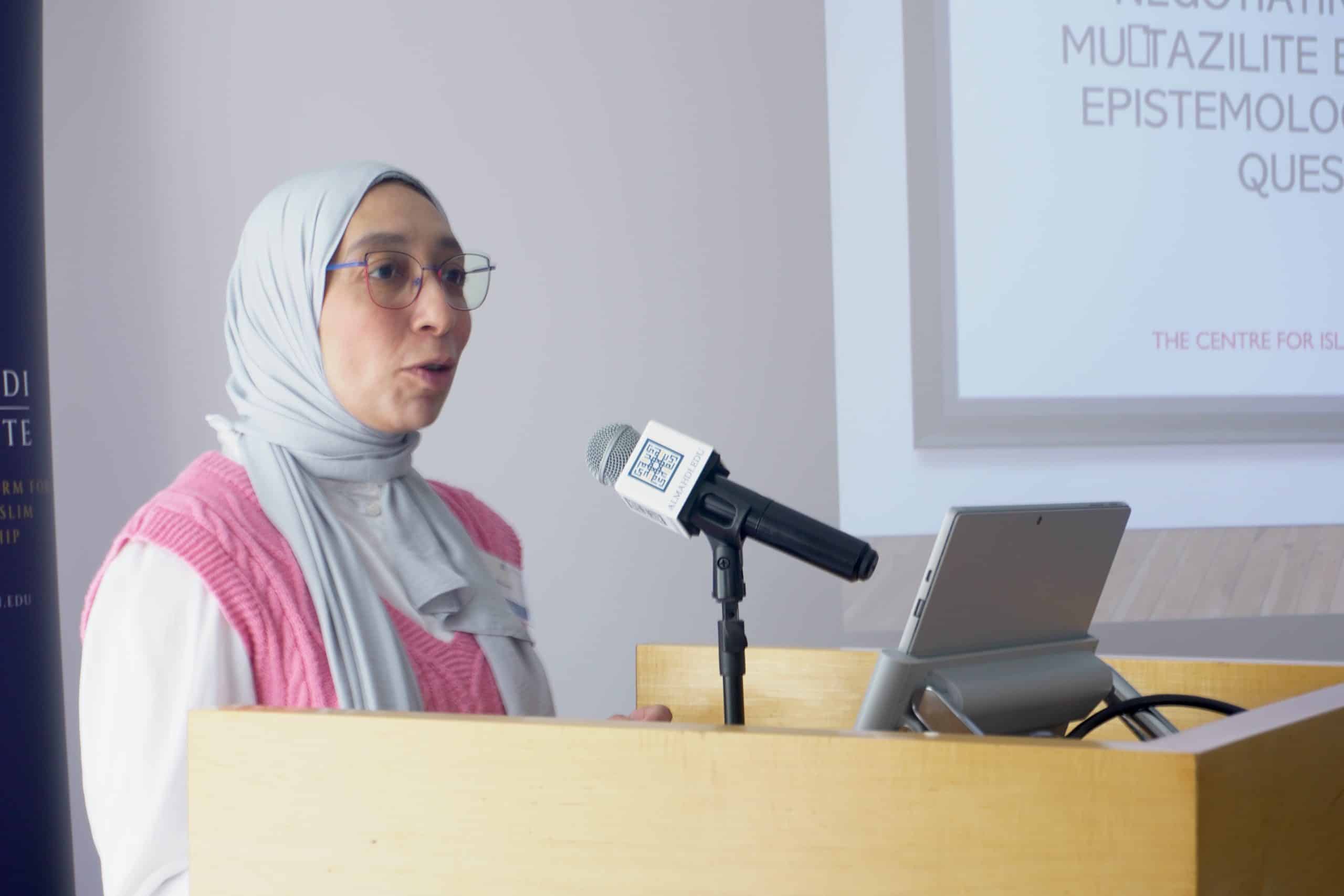
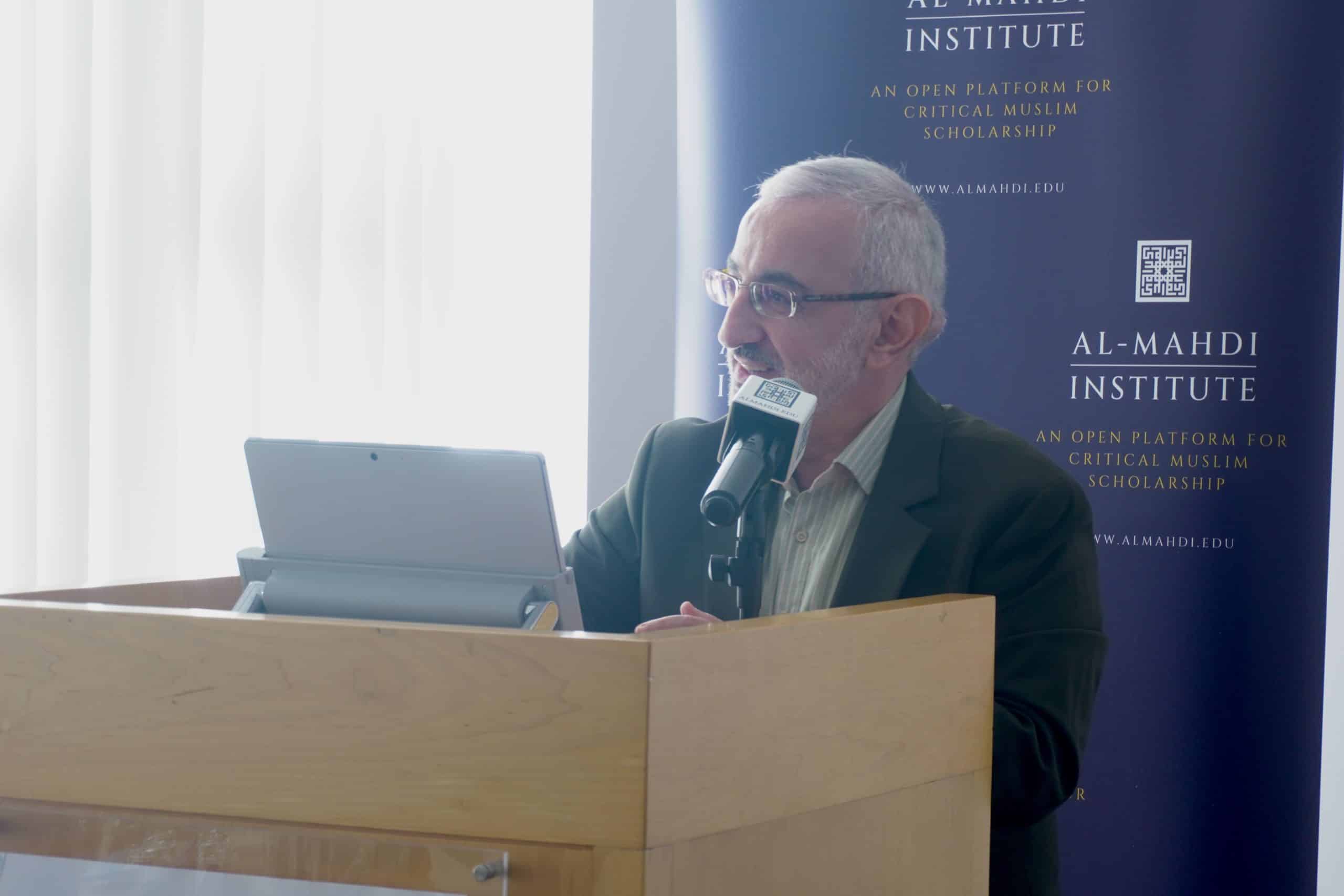
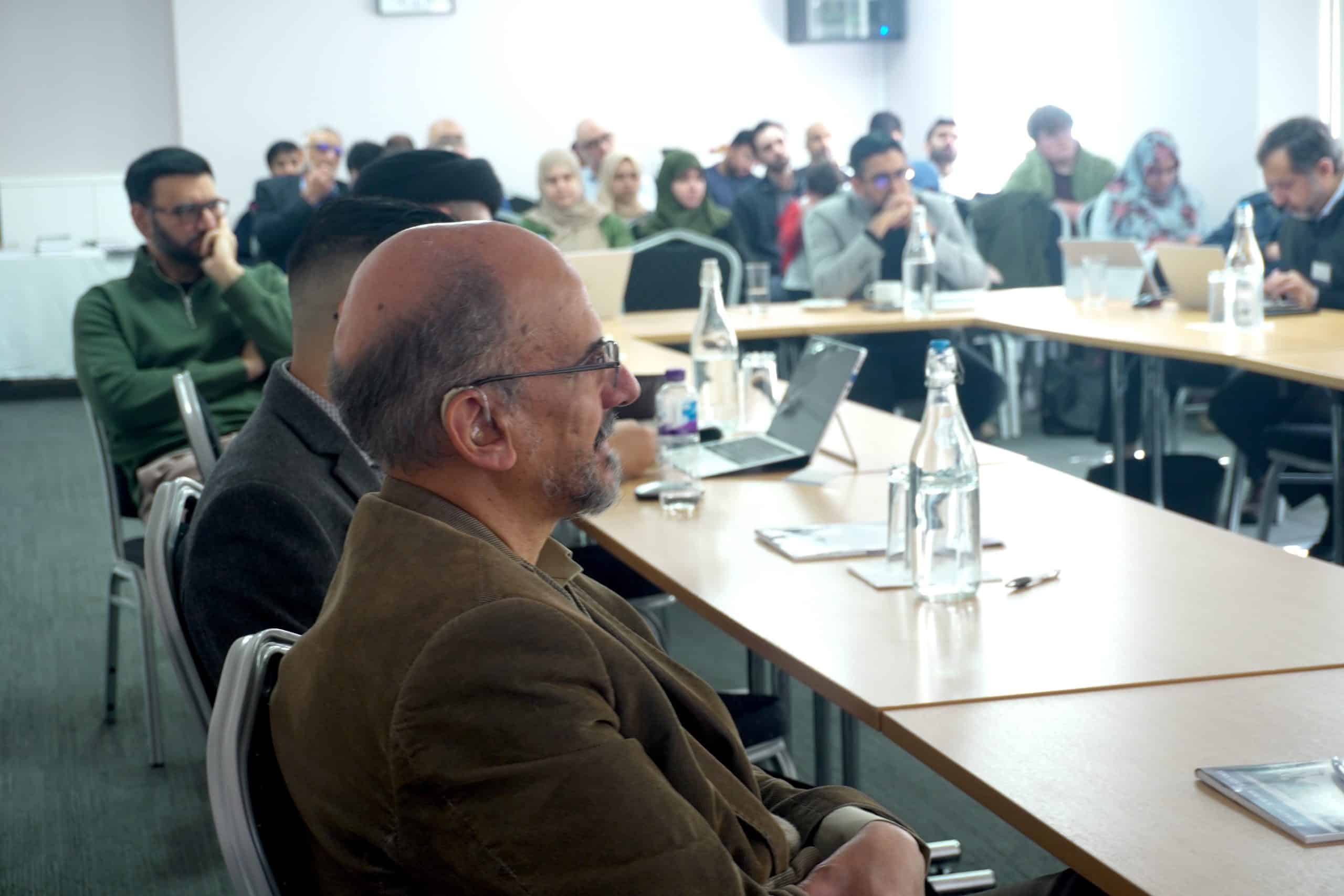
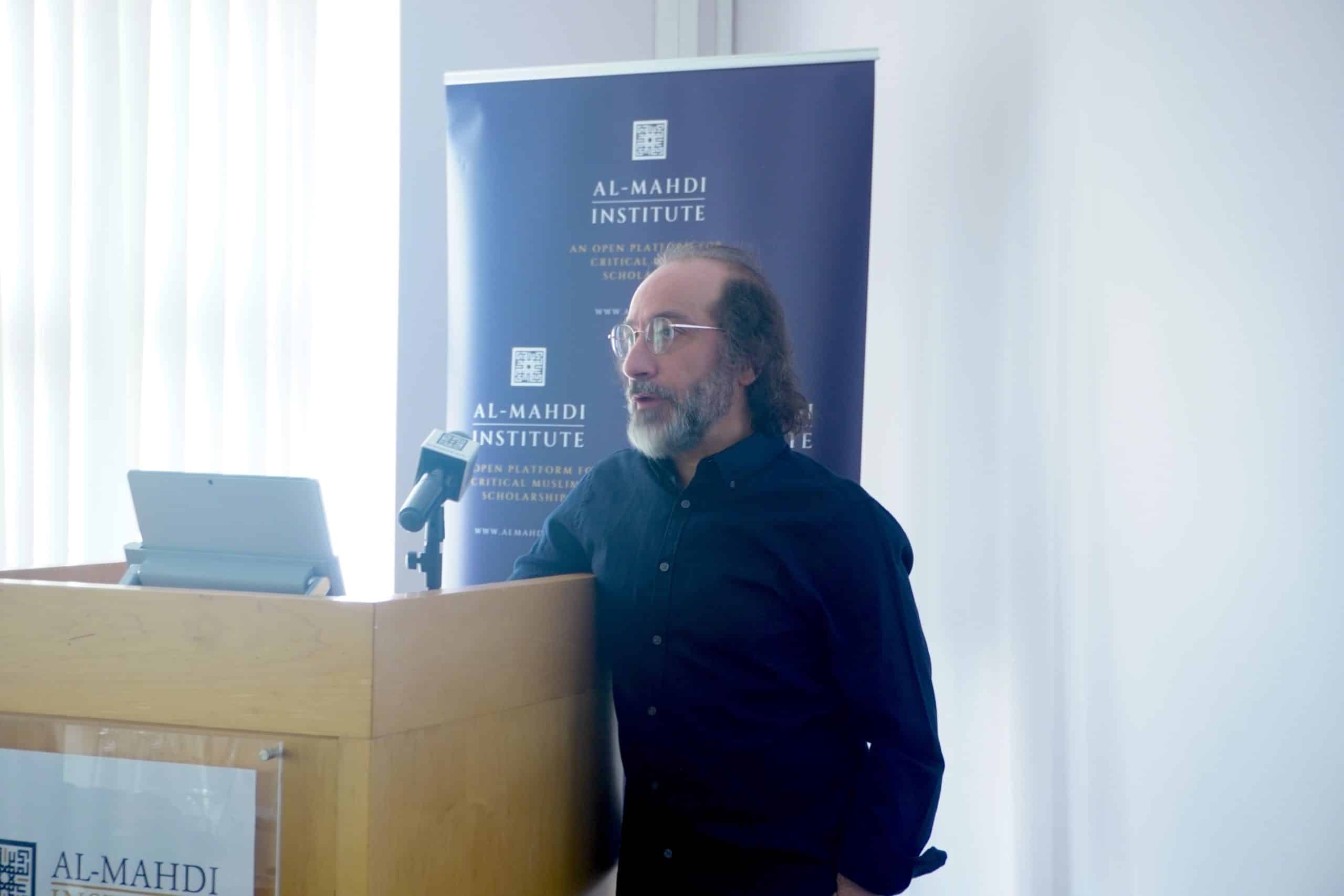
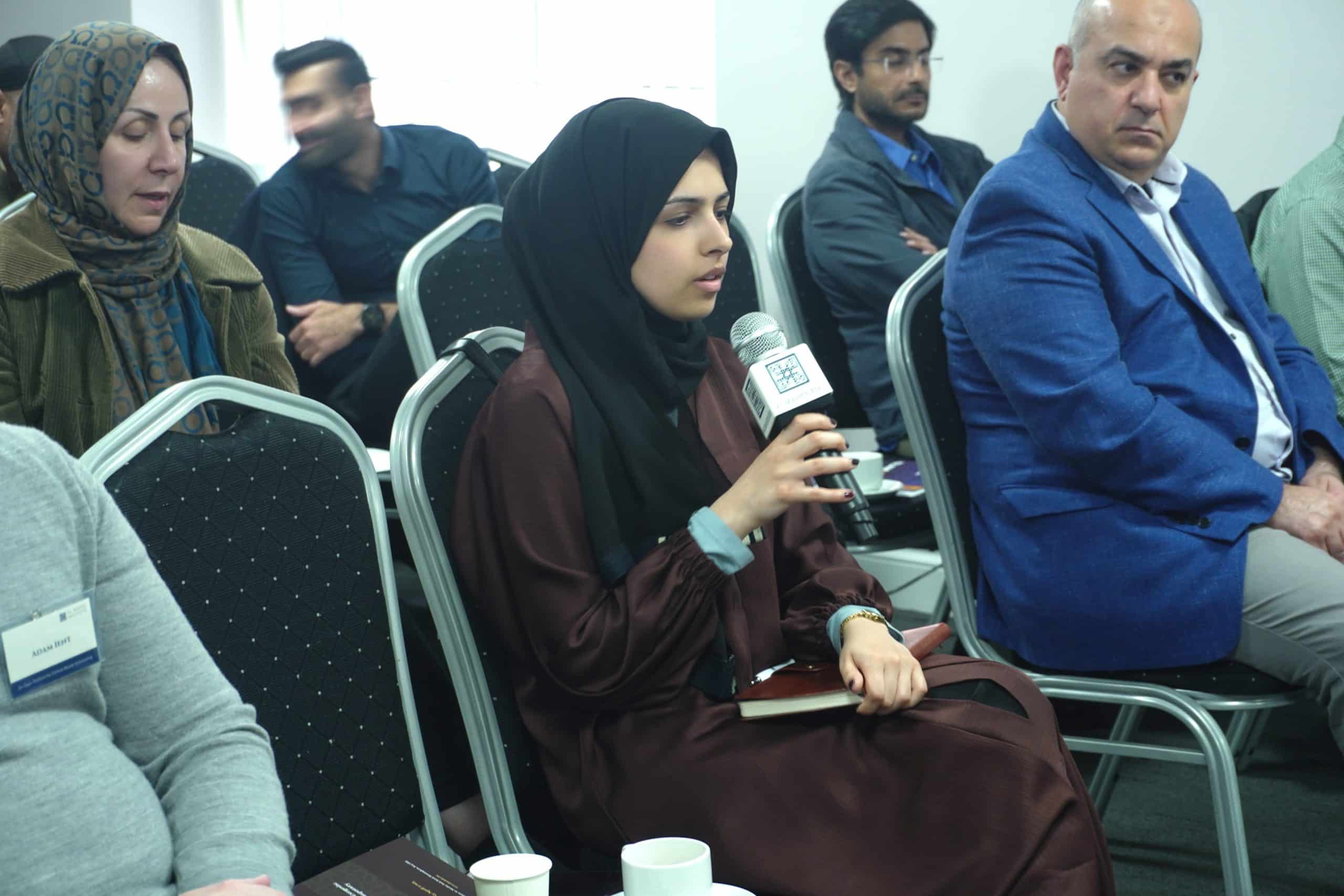
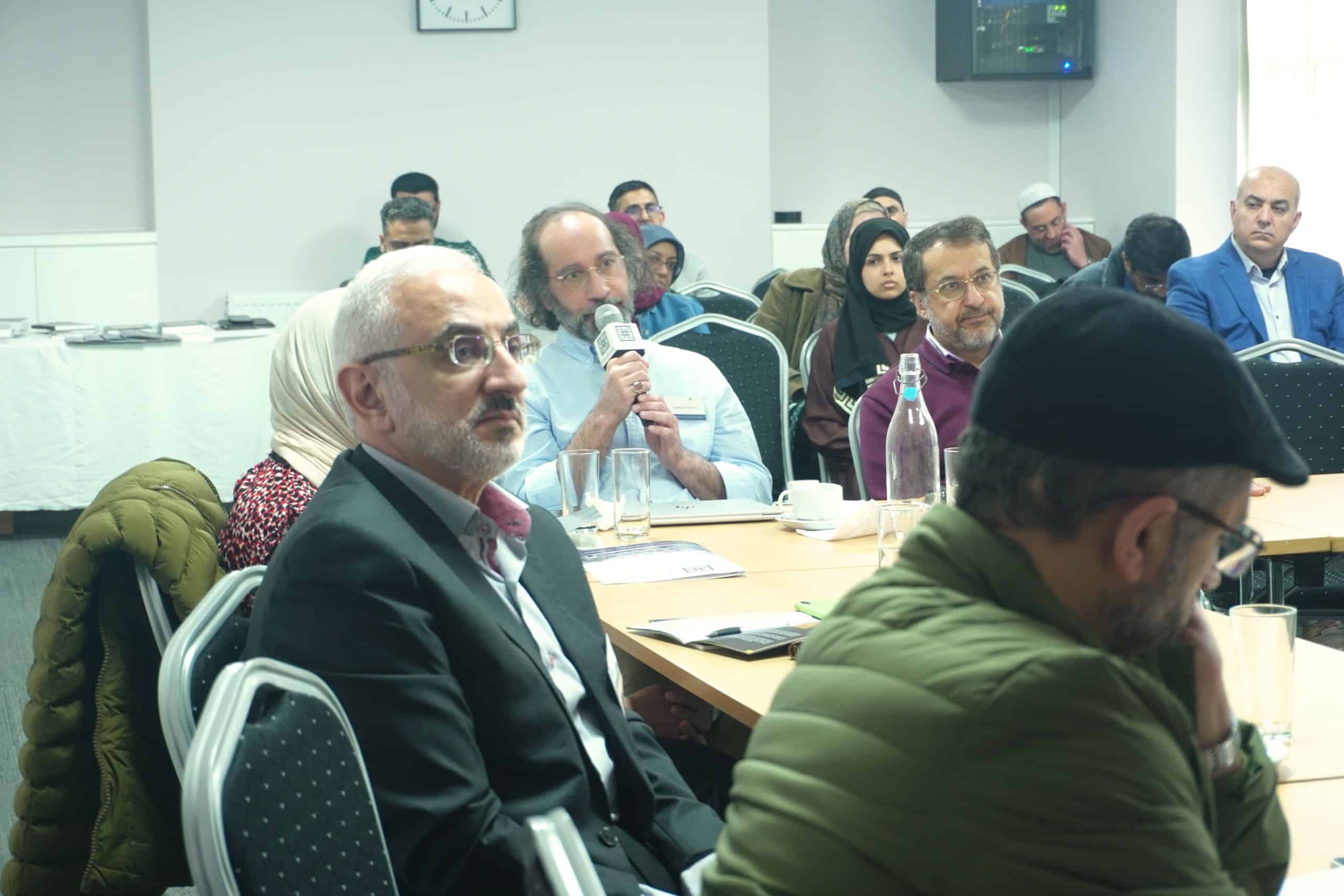
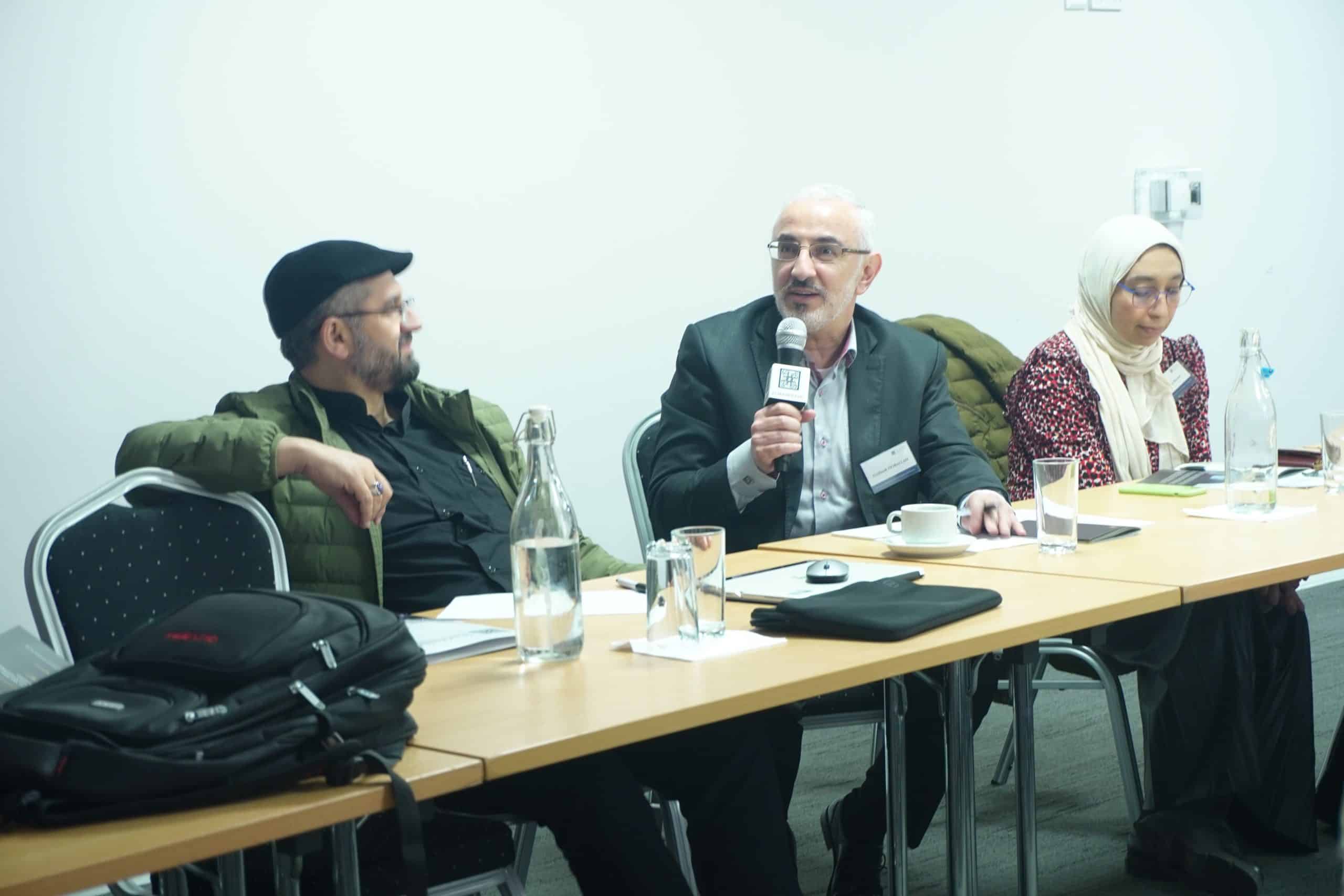
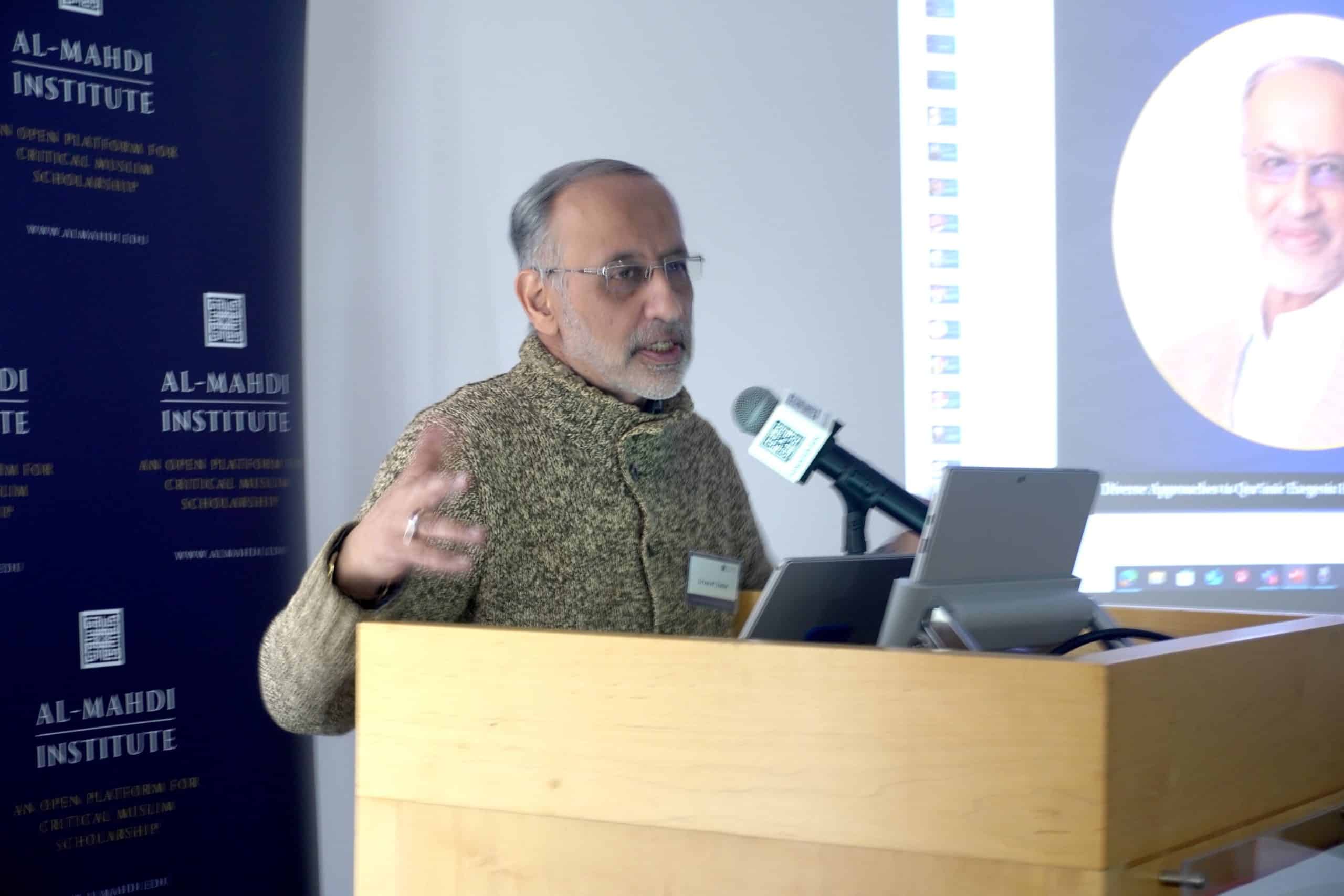
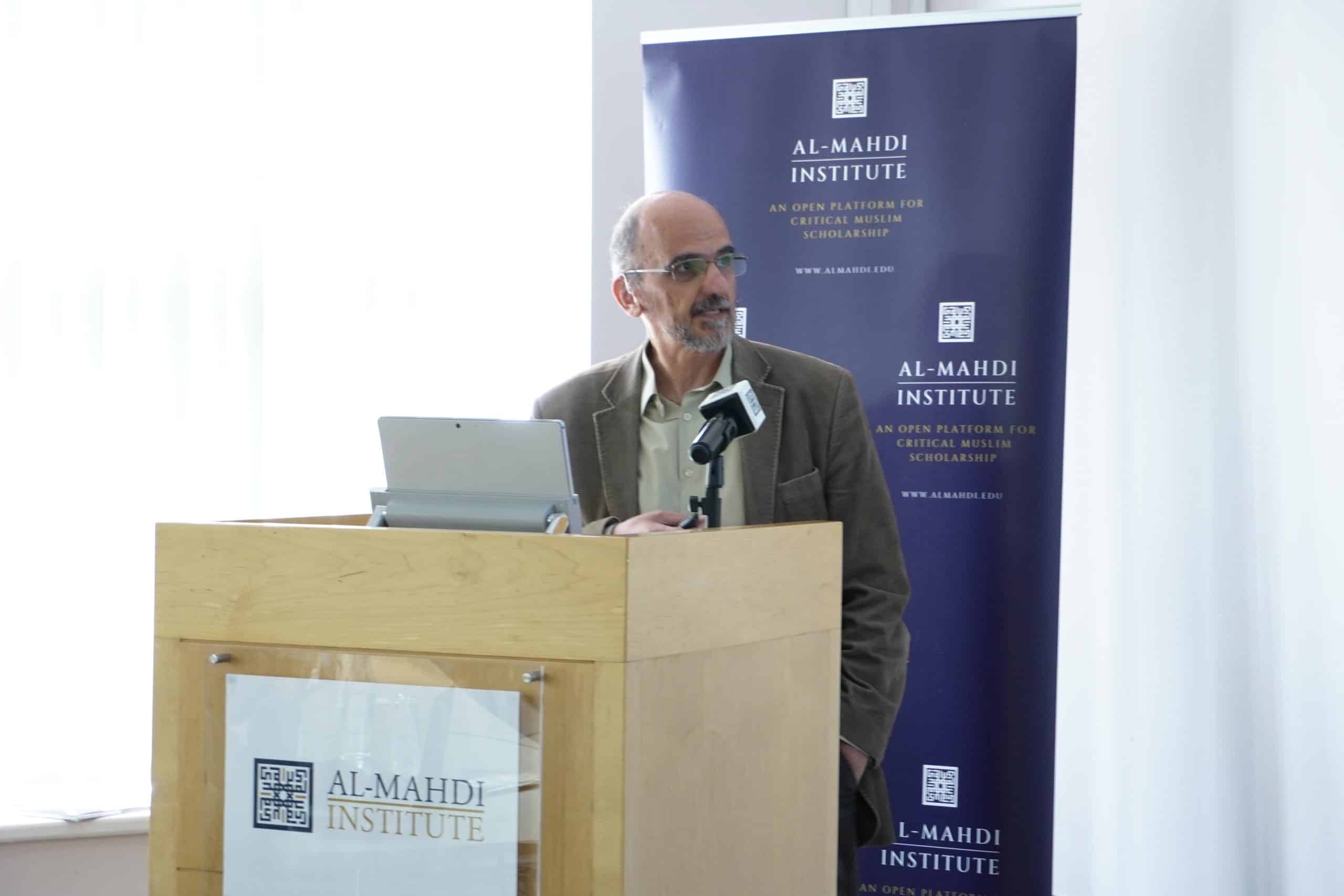
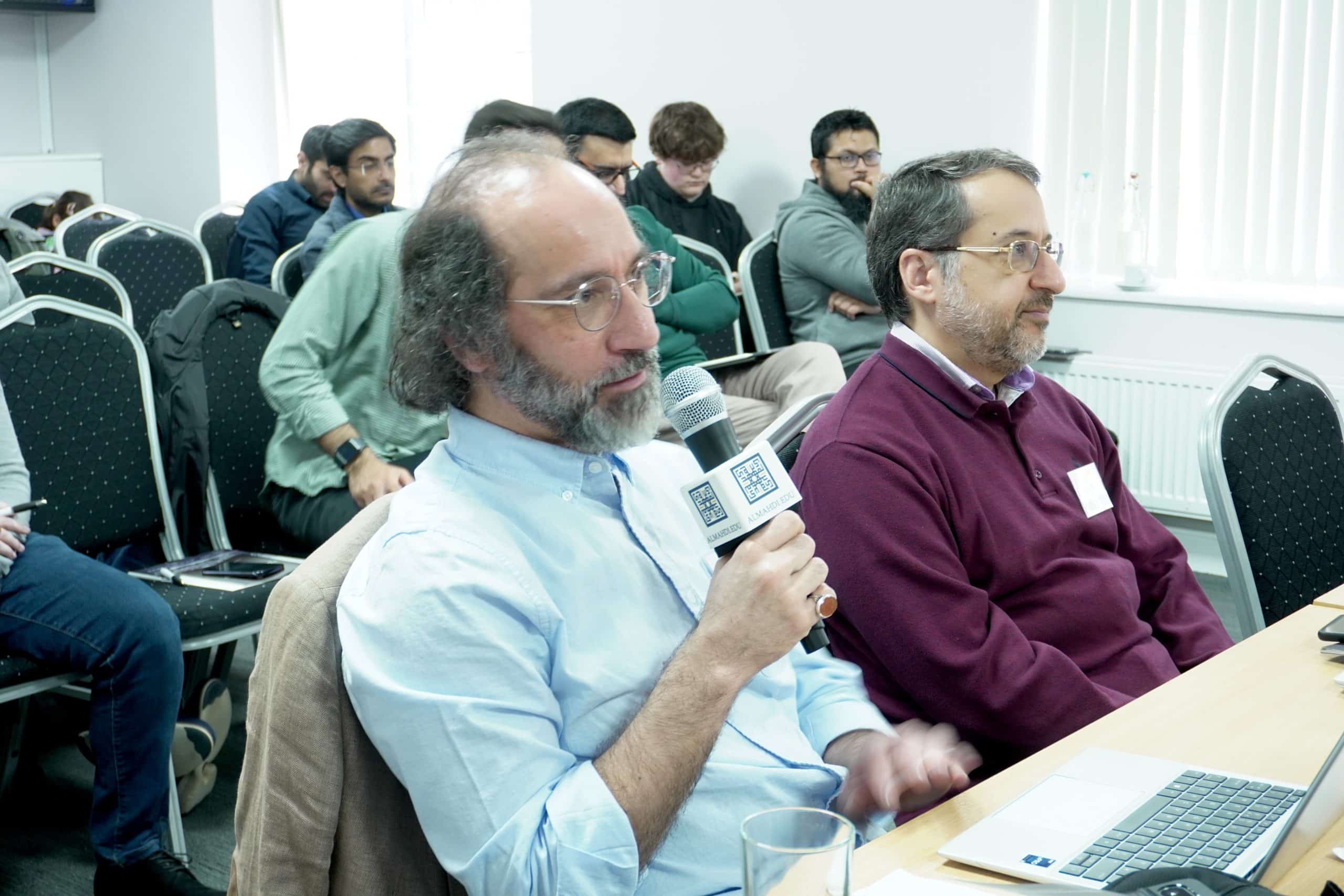
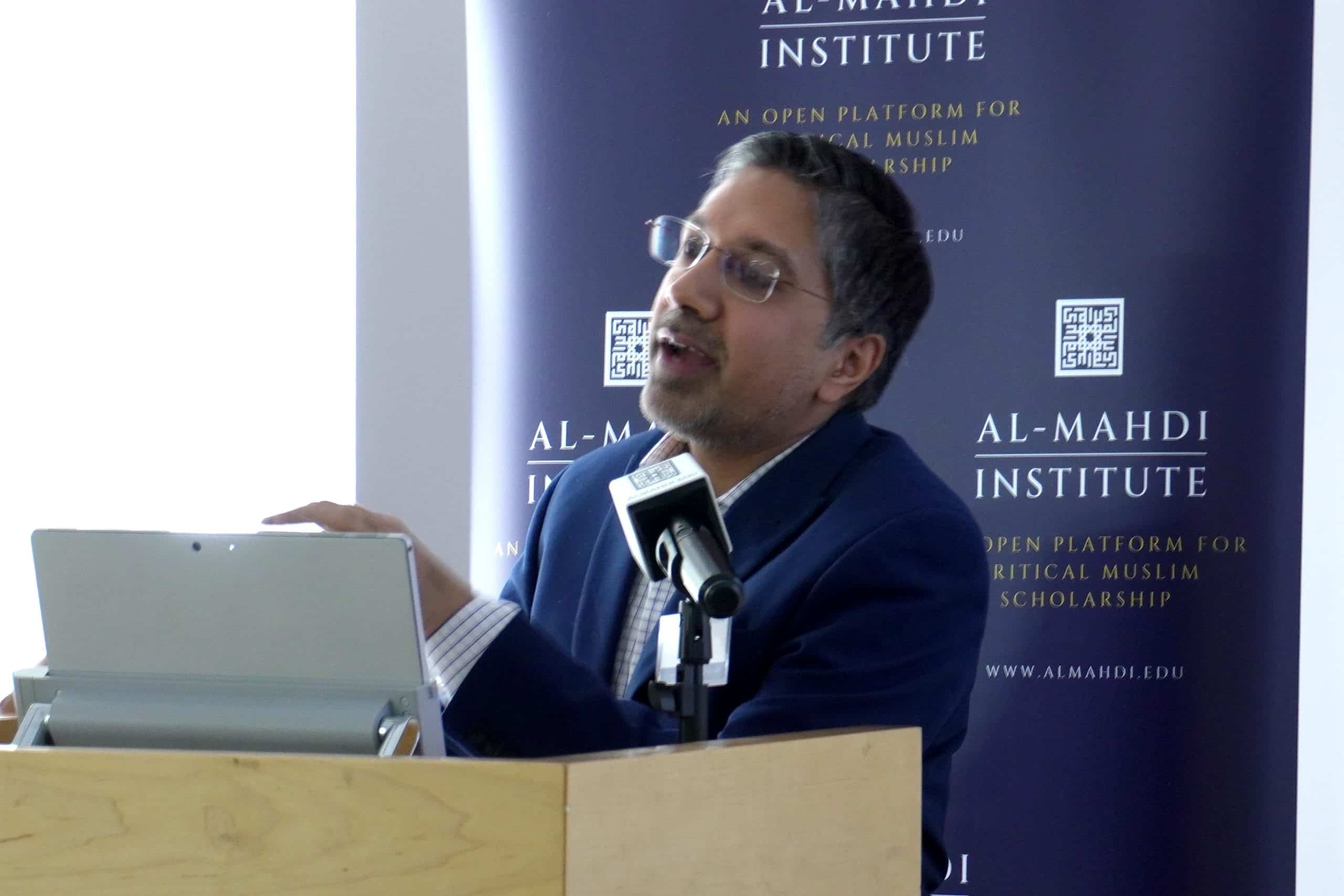
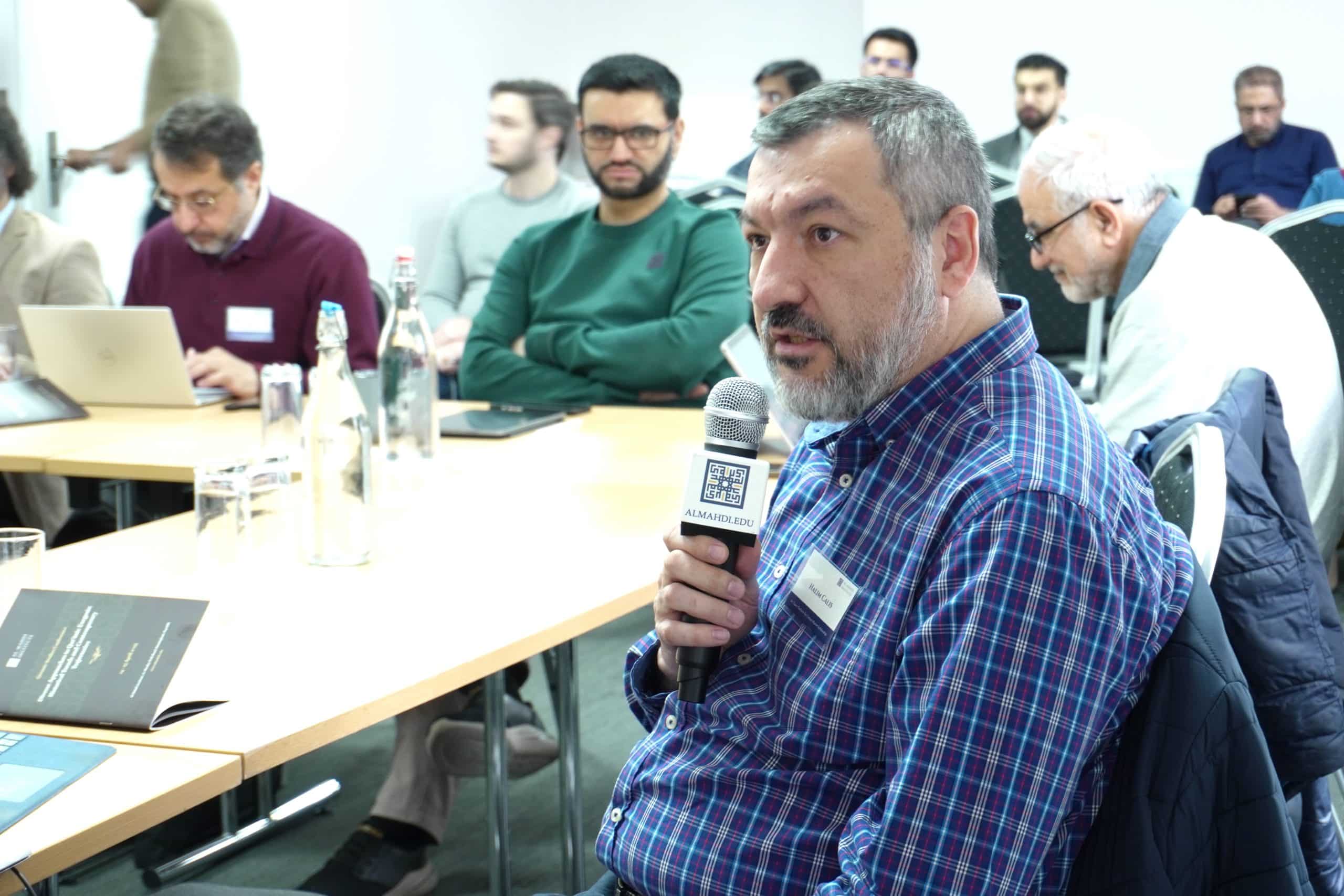
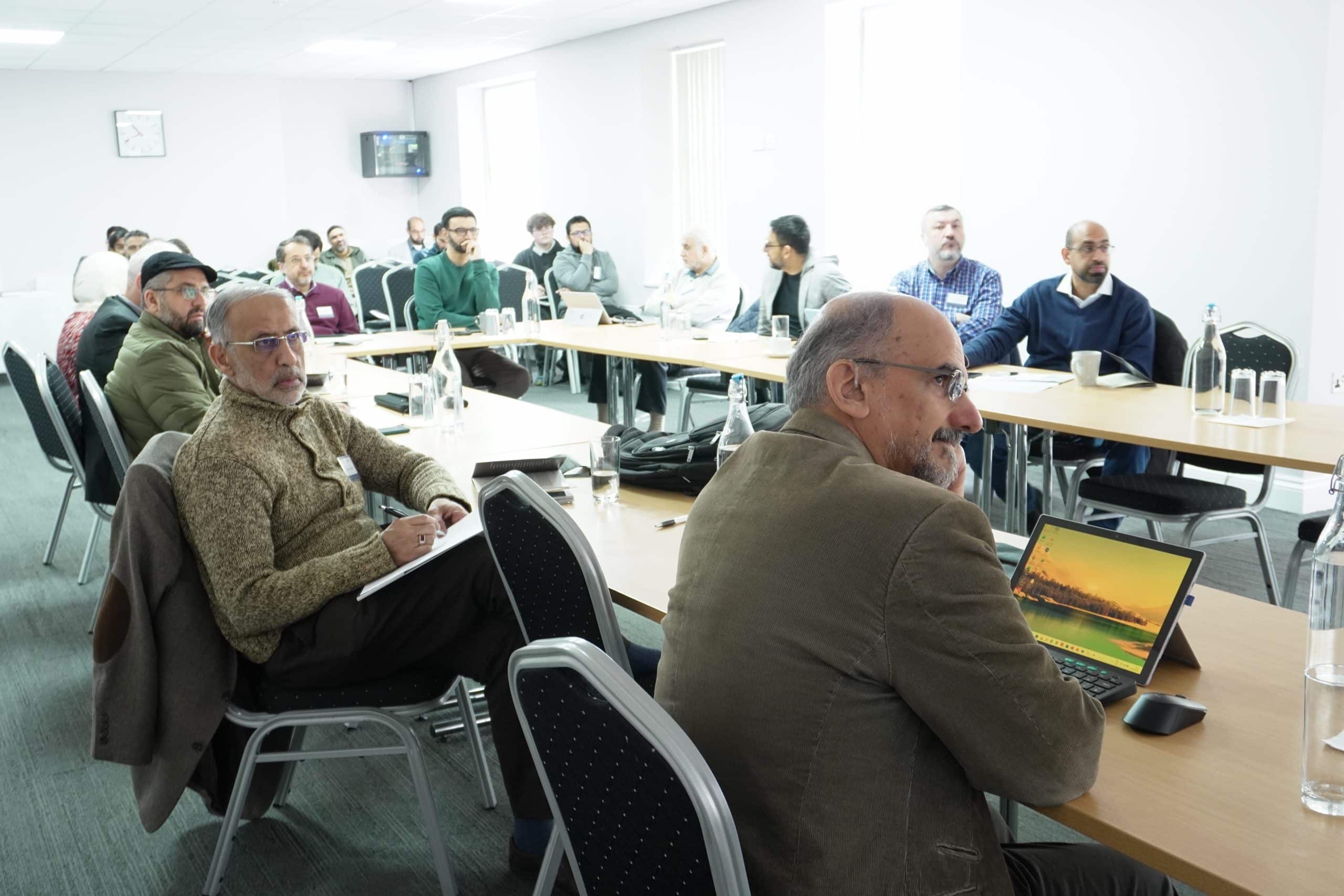
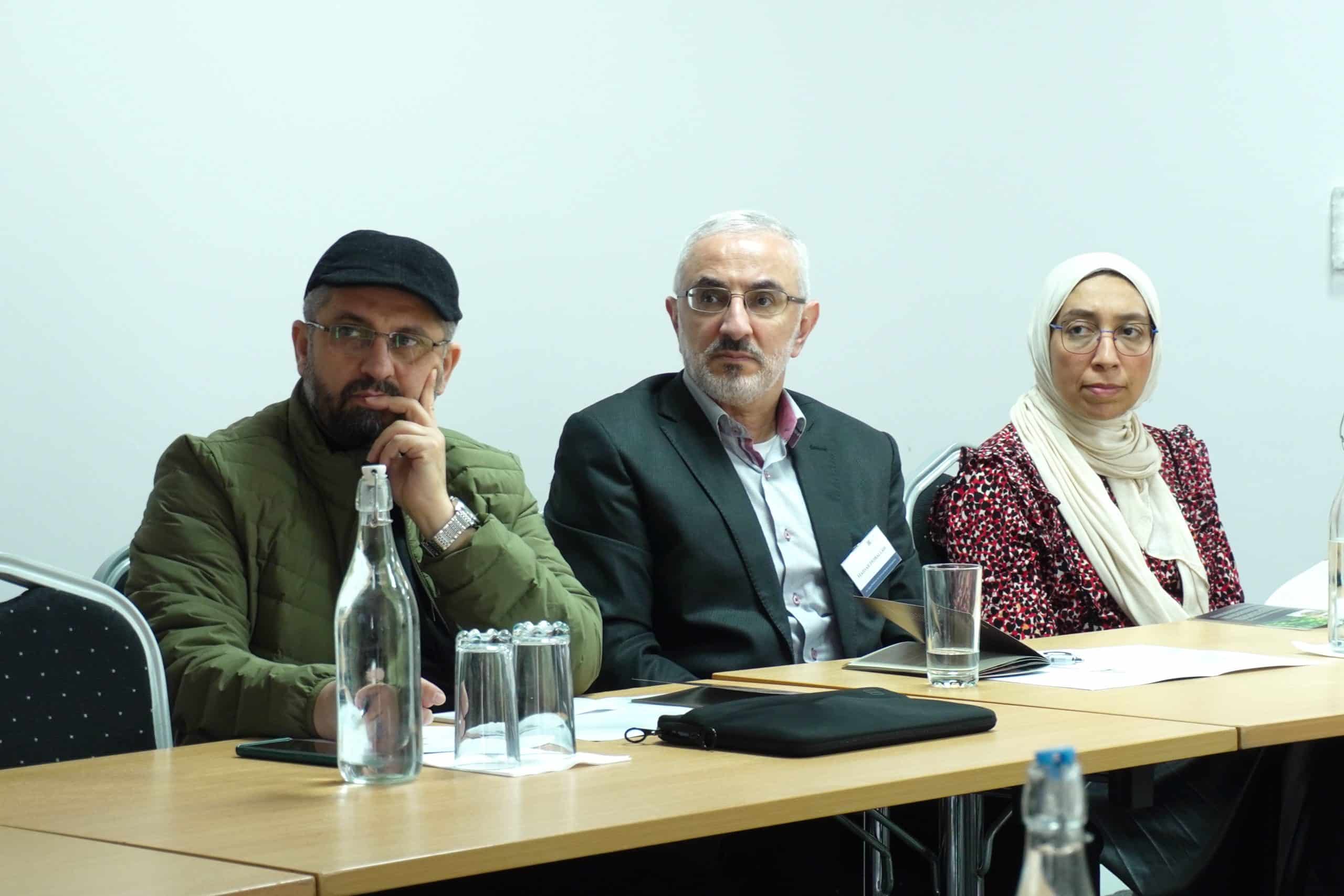
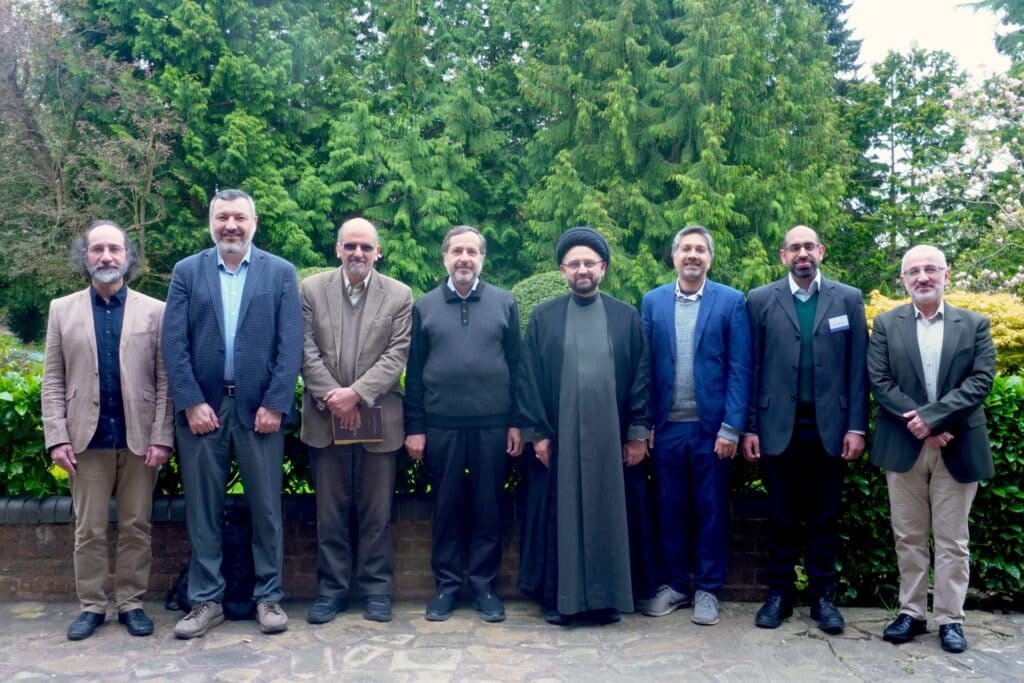
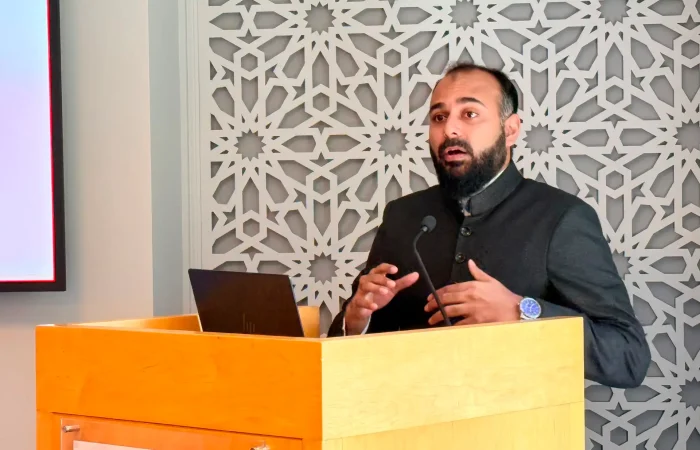
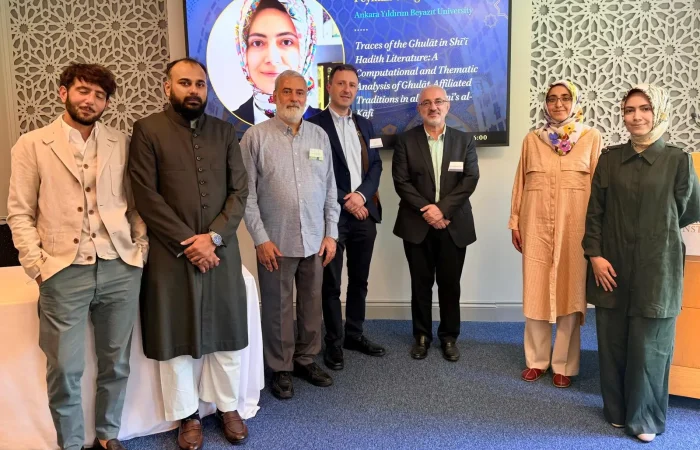
On 14th – 15th April 2025, Al-Mahdi Institute welcomed scholars from around the world for a two-day international conference dedicated to Qurʾānic interpretation. Titled “Diverse Approaches to Qurʾānic Exegesis: Historical Trends and Contemporary Trajectories,” the conference convened thinkers from varied disciplines, schools, and traditions, all united by the desire to re-examine how the Qurʾān is interpreted in both the premodern and postmodern world.
Set against a backdrop of mounting epistemological complexity and renewed spiritual searching, the conference asked: How have methods of interpretation evolved over time? Which assumptions undergird these methodologies? And what might a meaningful, rigorous approach to Qurʾānic hermeneutics look like today?
Day One: Context, Reason, and Tradition
Panel 1: Existential and Rational Approaches
The conference opened with a rich exploration of existential readings of the Qurʾān. Shaykh Arif Abdulhussain (AMI) proposed an existential hermeneutics, viewing revelation as a phenomenon bound to the Prophet’s lived experience and the evolving consciousness of its early audience. The Qurʾān, he argued, is both context-sensitive and universally oriented, requiring interpreters to approach it with both historical awareness and existential resonance.
Dr Vahid Sohrabifar (University of Religions & Denominations) further developed this trajectory, examining how the Qurʾān answers the modern crisis of meaning. He highlighted the Qurʾānic call to ḥayāt ṭayyiba—a meaningful, God-centred life—and underscored the Qurʾān’s deep concern with freedom, death, and the search for purpose.
Dr Imranali Panjwani (Anglia Ruskin University) critically assessed the rationalist paradigm in modern tafsīr. While praising its universal aspirations, he noted a methodological inconsistency: verses like 4:1 are read inclusively in theory but rarely in practice. He called for a framework that coherently bridges modern values with scriptural integrity.
Panel 2: Modern Exegetical Methods
This panel showcased interpretive innovations emerging from contemporary linguistic and philosophical analysis. Dr Shuruq Naguib (Lancaster University) presented a close reading of Sūrat al-Mujādila (Q. 58), demonstrating how its coherence is revealed through a pattern of lexical recurrences, intra-sura symmetry, and inter-sura links. She coined the term inter(con)textuality to describe how Qurʾānic sections mirror and reinforce one another across thematic axes.
Professor Ali Fanaei (AMI & Mofid University) introduced Speech Act Theory as a novel exegetical lens. Instead of viewing verses as static carriers of meaning, he argued for interpreting divine discourse as performative action—commands, promises, consolations—that shape the moral and spiritual consciousness of the recipient. His approach invites a shift in tafsīr from semantics to pragmatics.
Panel 3: Shīʿa Tafsīr Traditions
Dr Morteza Karimi-Nia (Iranian Academy of Sciences) unveiled the overlooked contribution of al-Wazīr al-Maghribī, a 4th/10th-century Shīʿī exegete whose work al-Masābīḥ bridged tradition with rational critique. Karimi-Nia argued that this text marked a turning point toward the methodological integration later perfected by al-Ṭūsī and al-Ṭabrisī.
Professor Liyakat Takim (McMaster University) analysed Majmaʿ al-Bayān by al-Ṭabrisī, emphasising its openness to Sunni methodologies—such as grammatical analysis, variant readings, and jurisprudential reasoning—while still affirming Shīʿī dogma. Takim described the tafsīr as a “literary and theological rapprochement,” signalling a moment of intellectual exchange across sectarian lines.
Panel 4: Gender and the Imaginal in Qurʾānic Interpretation
This panel grappled with two deeply evocative domains: the gendered dimensions of tafsīr and the imaginative-symbolic frameworks found within classical metaphysics.
Professor Asma Barlas (Ithaca College) delivered a powerful critique of patriarchal tafsīr traditions, focusing on interpretations that ascribe unilateral authority to men over women. She argued that such readings not only Islamise inequality but effectively masculinise the divine—an act that contradicts the Qurʾān’s own theological testimony about God. Drawing on hermeneutical principles rooted in the Qurʾān’s ethos of justice and self-disclosure, Barlas re-read key verses to uncover their egalitarian and anti-patriarchal core.
Professor Mohammad Saeedimehr (Tarbiat Modares University) explored Shah Wali Allah Dihlawi’s use of the ʿālam al-mithāl (imaginal world) as a hermeneutical tool. He argued that Dihlawi’s use of symbolic interpretation offers a visionary, though controversial, lens for understanding prophetic stories and metaphysical realities in the Qurʾān. Saeedimehr provided both a critical analysis of this methodology and its philosophical foundations, noting its marginal legacy in later exegetical traditions despite its rich interpretive potential.
Day Two: Innovation, Ambiguity, and Mysticism
Panel 5: Semantic and Methodological Innovations
Dr Farhad Shafti (University of Glasgow) presented a critical overview of the Farahi school, tracing its unique emphasis on the structural and thematic coherence of the Qurʾān. He stressed that while the coherence theory is well-known, other aspects—such as the prioritisation of the Qurʾān over Ḥadīth in legal derivation—deserve closer academic attention.
Dr Sohaib Saeed (Ibn ʿAshur Centre for Qurʾānic Studies) introduced the concept of meaningful ambiguity, drawing inspiration from Ibn ʿĀshūr’s acceptance of polyvalent readings. Saeed proposed that rather than resolving ambiguous verses, interpreters should consider whether the ambiguity itself is divinely intended and meaningful—potentially offering layered or even simultaneous truths.
Panel 6: Epistemological Frameworks in Qurʾānic Interpretation
Dr Haidar Hobbollah (AMI) provided a historical and methodological critique of Atharī tafsīr within Imāmī Shīʿī thought. He charted the influence of the Akhbārī movement, which restricted exegesis to transmitted Ḥadīth, and contrasted it with the more analytical Uṣūlī approach. Hobbollah examined the theological motivations behind these trends and their ongoing impact on contemporary Shīʿī hermeneutics.
Dr Doaa M. Baumi (University of Tübingen) turned to the Muʿtazilite rational tradition, focusing on al-Zamakhshari’s treatment of Israʾiliyyāt in al-Kashshāf. She demonstrated how al-Zamakhshari employed epistemological scrutiny to filter out unreliable biblical elements while integrating useful narratives in line with Qurʾānic ethics and reason.
Panel 7: Mystical and Existential Dimensions of Qurʾānic Exegesis
The final panel illuminated the Qurʾān’s reception within the spiritual-intellectual traditions of Sufism and philosophical mysticism, drawing on modern and classical figures to explore how reason and illumination can converge.
Dr Halim Calis (Respect Graduate School) presented a compelling defence of taʾwīl—non-literal, often esoteric interpretation—within the Sufi tradition. Through the work of Shams al-Dīn al-Fanārī, he demonstrated how sophisticated hermeneutical models emerged that treated the Qurʾān as a multi-layered, symbolic text. Calis highlighted how al-Fanārī’s engagement with ontological hierarchies allowed for an epistemologically nuanced approach to revelation.
Dr Zoheir Esmail (Al-Mahdi Institute) investigated the hermeneutical method of Ḥasan Ḥasanzāda Āmulī, a contemporary Shīʿī polymath who wove together burhān (rational demonstration), ʿirfān (mystical intuition), and naql (transmitted knowledge) into a synthetic model of Qurʾānic interpretation. Esmail illustrated how Āmulī’s scattered yet profound exegeses reflect a worldview in which spiritual and intellectual truths are inherently complementary.
Dr Syed Jaafar Fadlallah (Al-Mahdi Institute) closed the panel by showcasing Sayyid Mohammad Hussein Fadlallah’s Min Waḥy al-Qurʾān—a tafsīr grounded in thematic coherence, practical relevance, and moral engagement. Fadlallah’s work, he argued, presents a timeless hermeneutic that integrates textual analysis with ethical reflection, and that critiques dogmatic reliance on ḥadīth through a Qurʾān-first methodology.
The conference left participants with a renewed sense that tafsīr is not a closed canon but an open horizon. If the Qurʾān speaks to all times, it demands interpreters who are both rooted in tradition and attuned to their moment. Methodology, far from a technical afterthought, is the sacred architecture through which we approach divine speech.
Resources:
View Gallery: