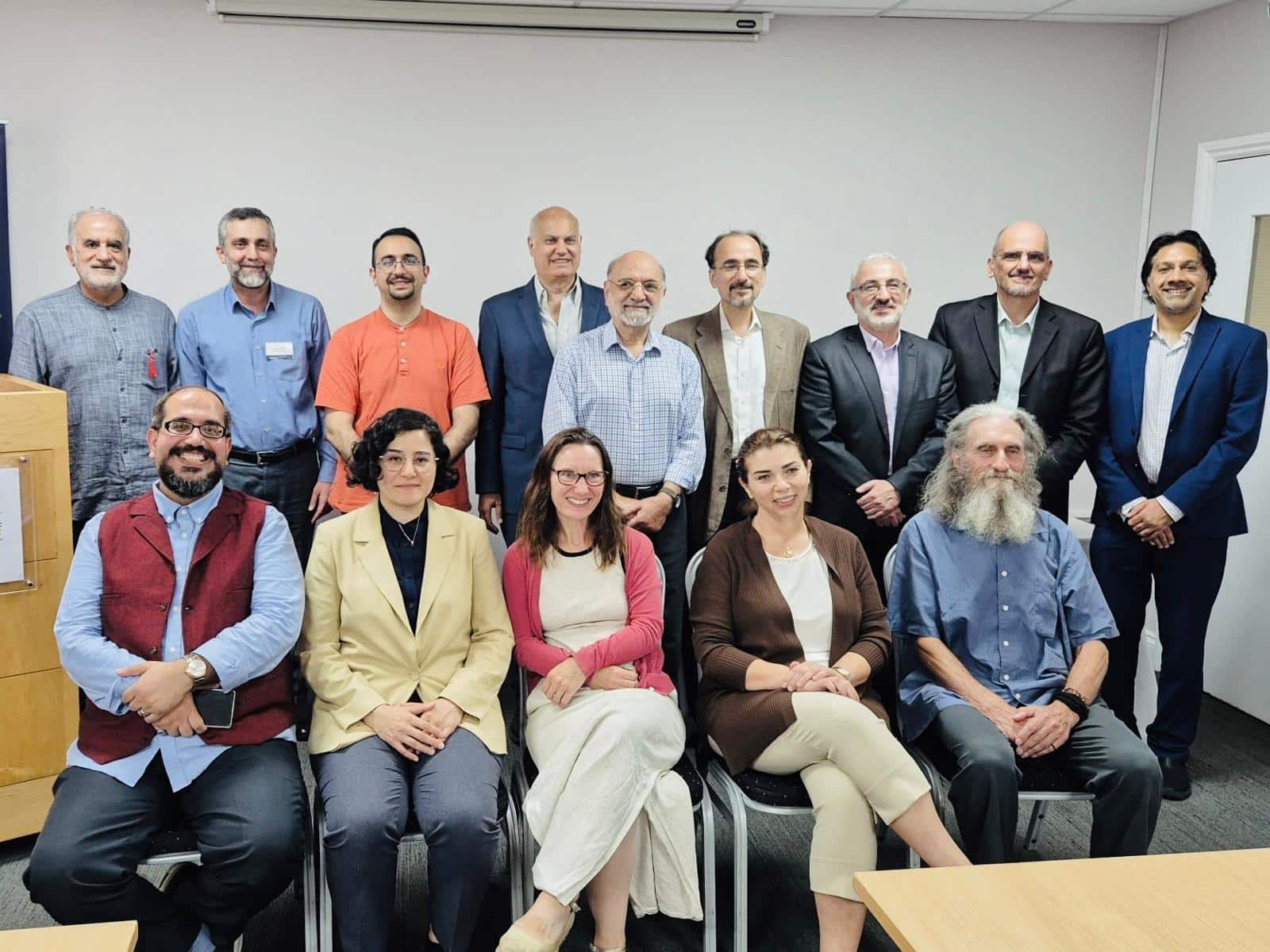
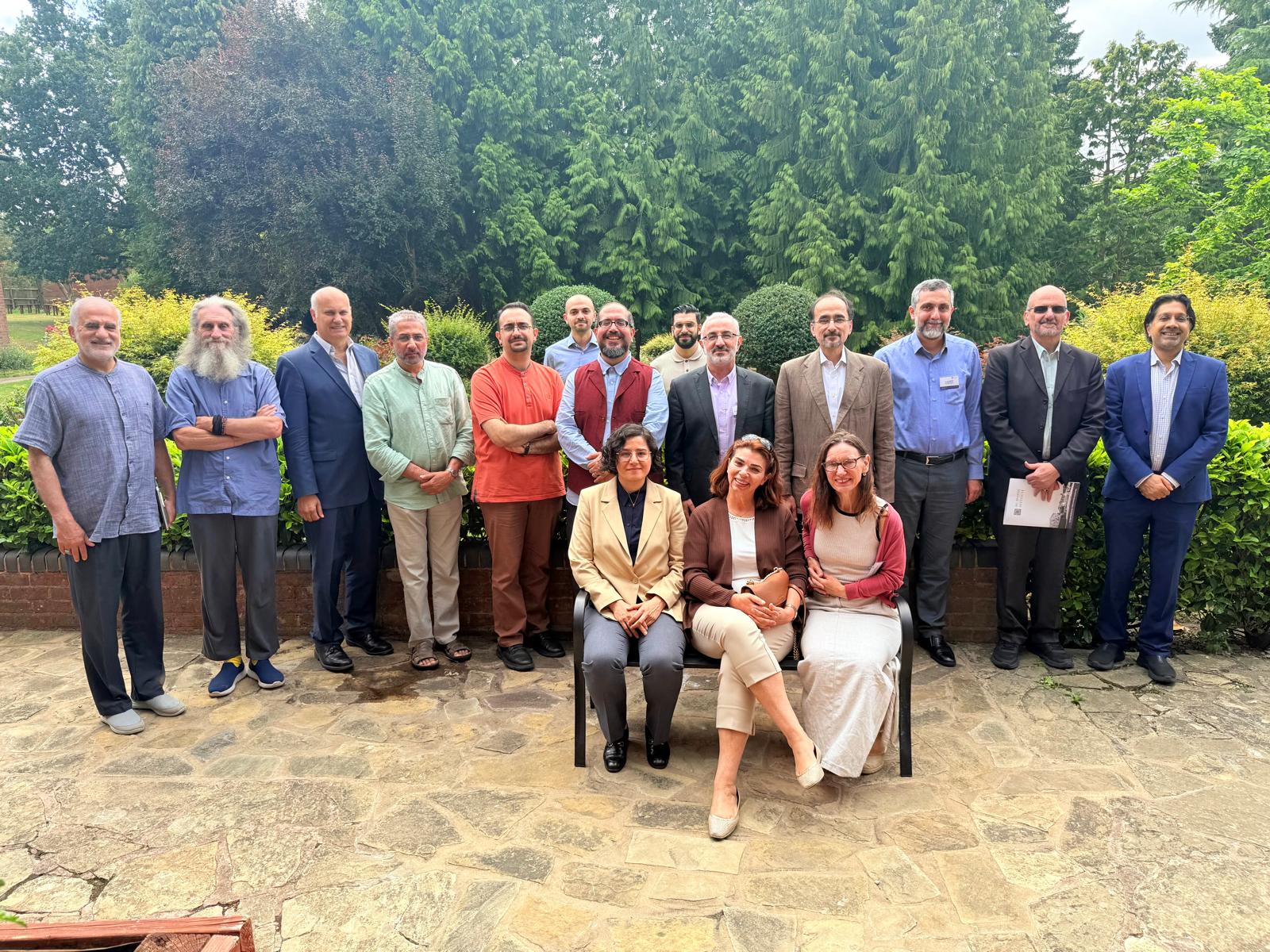
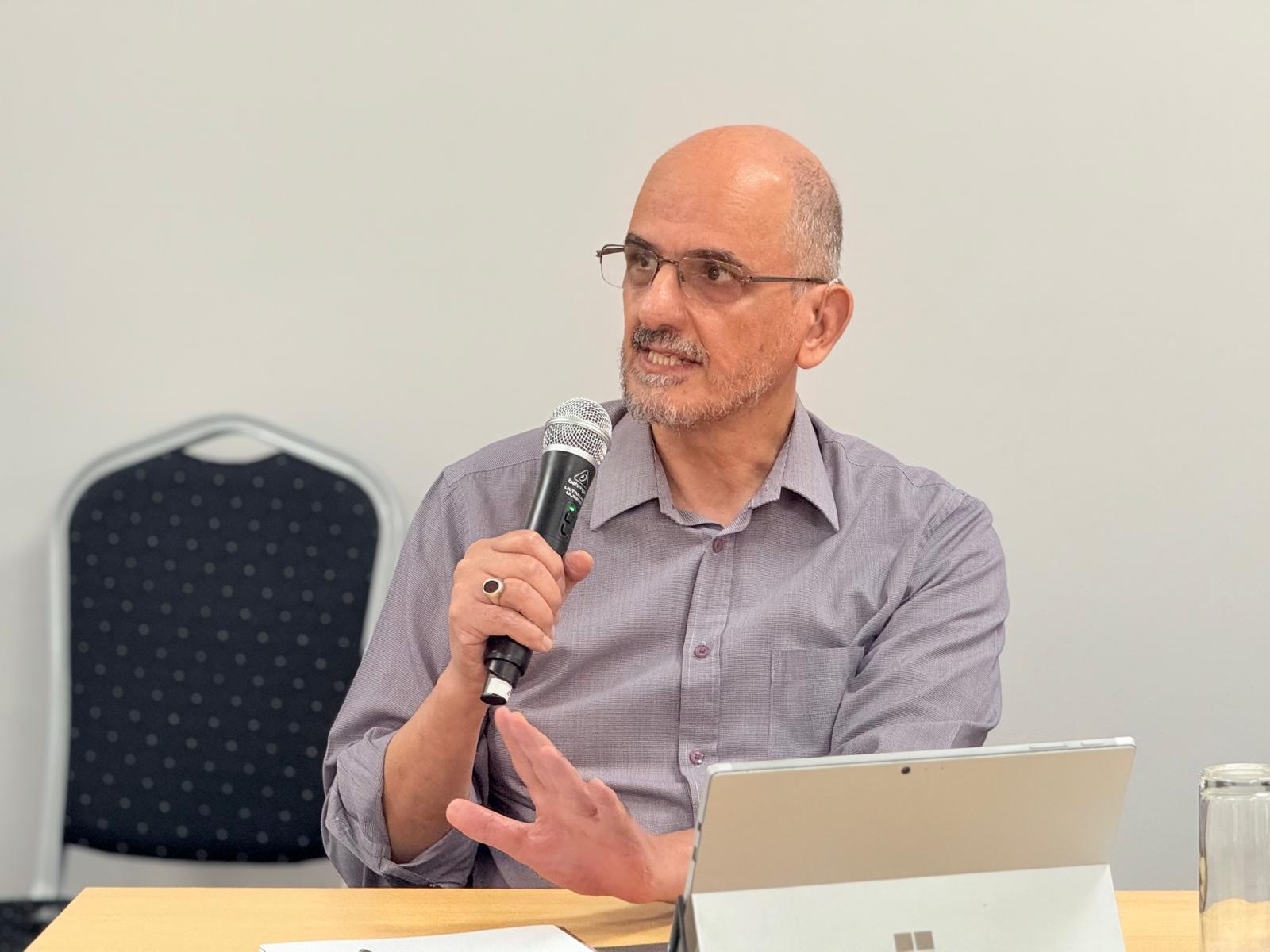
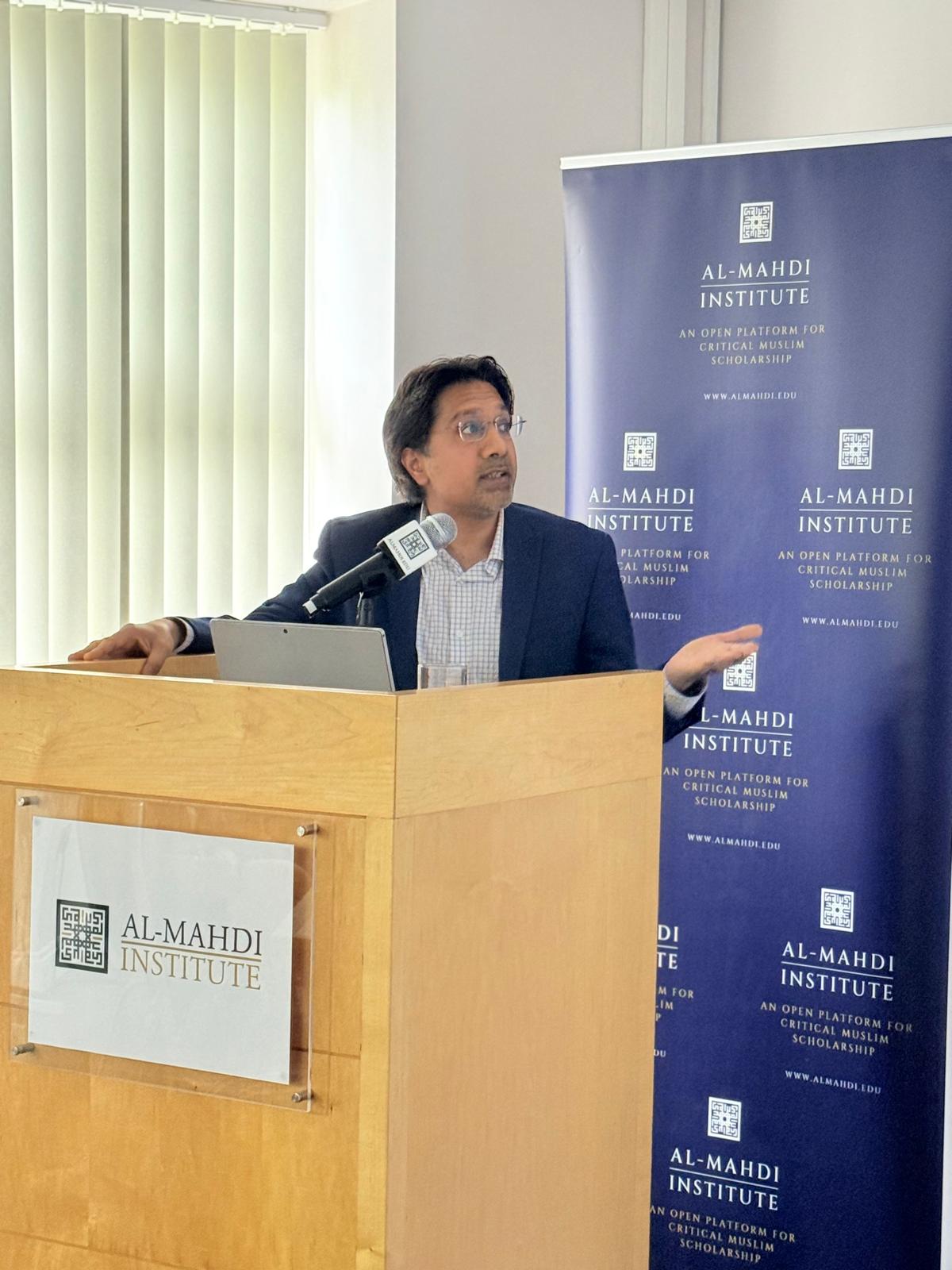
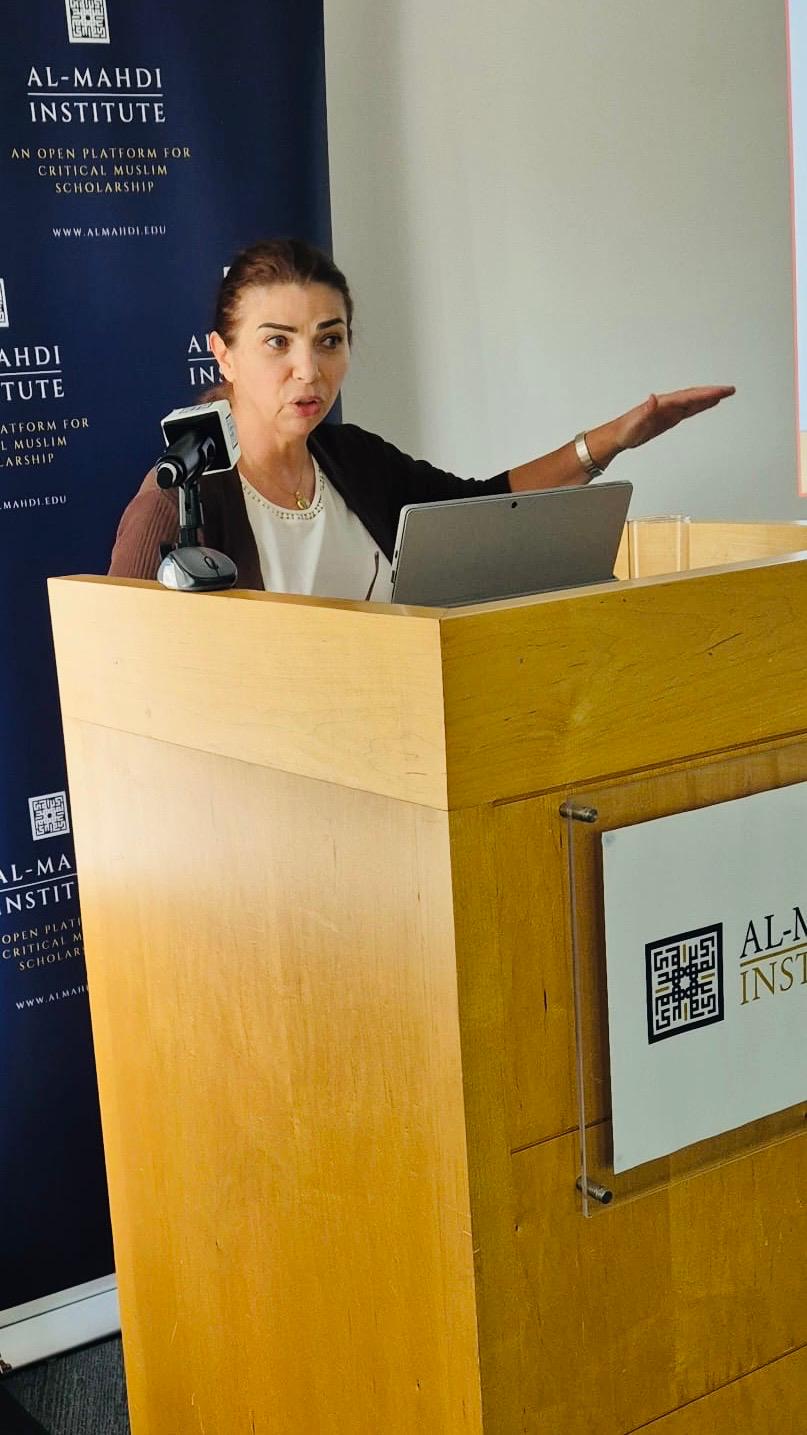
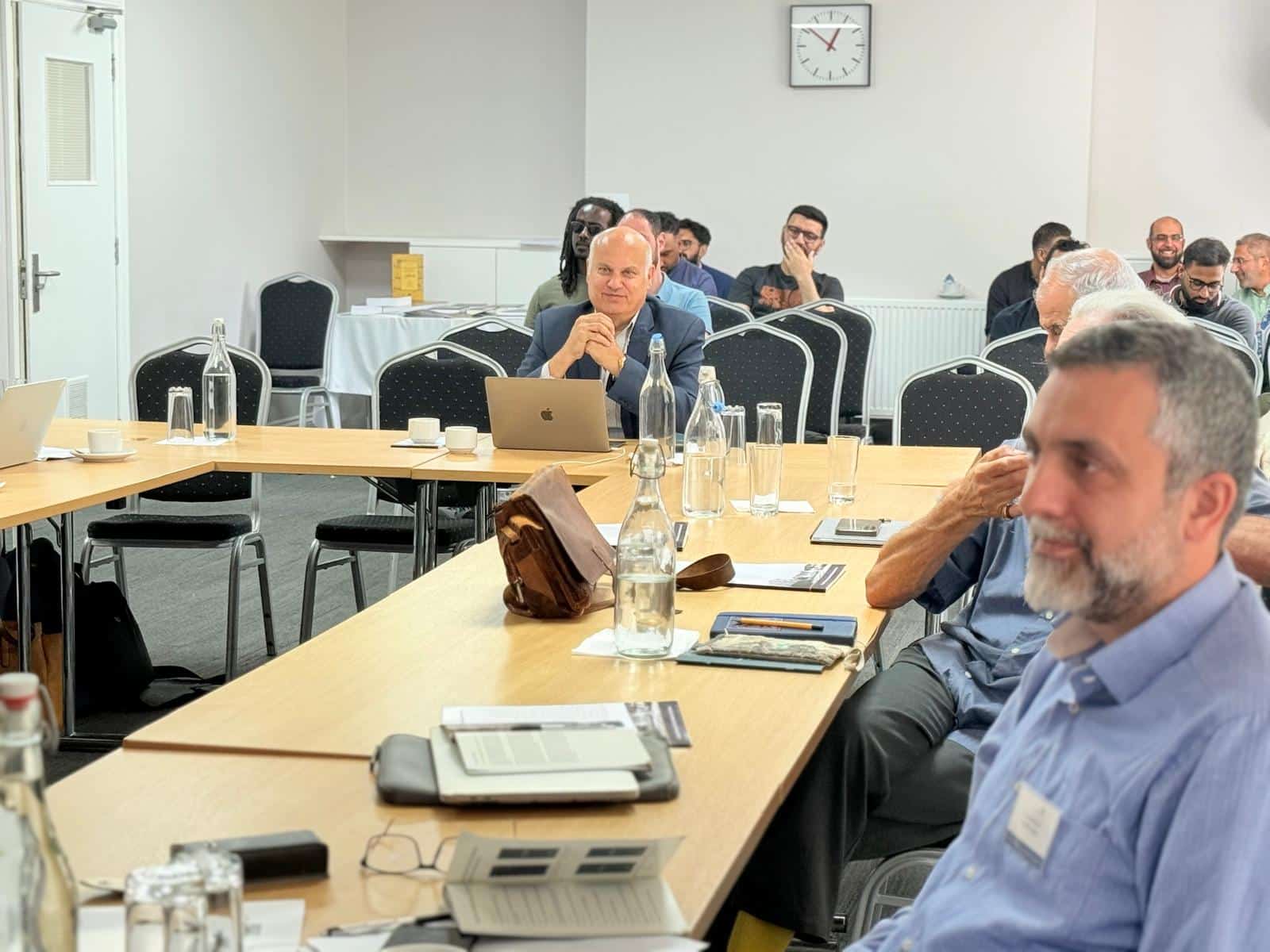
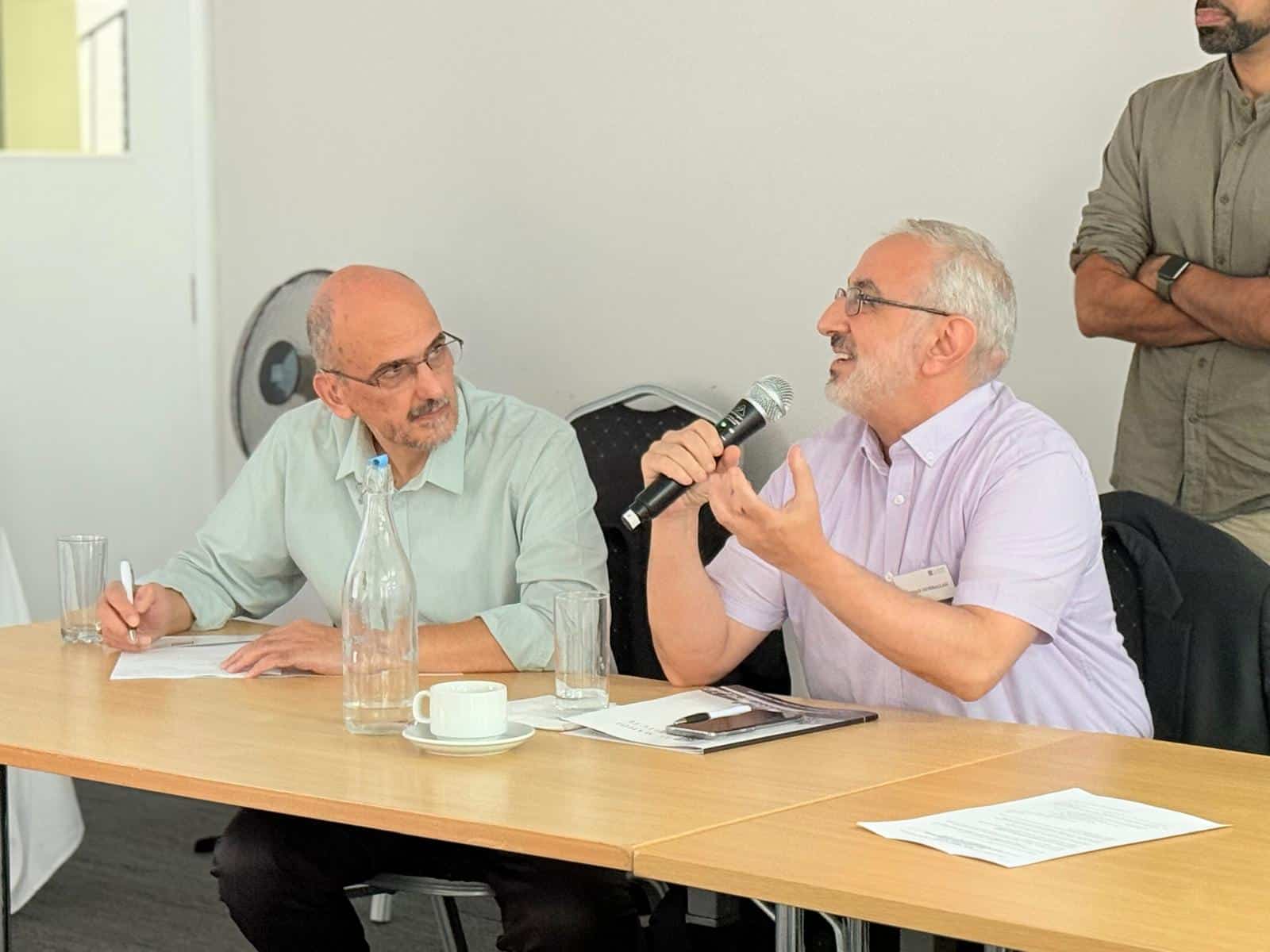
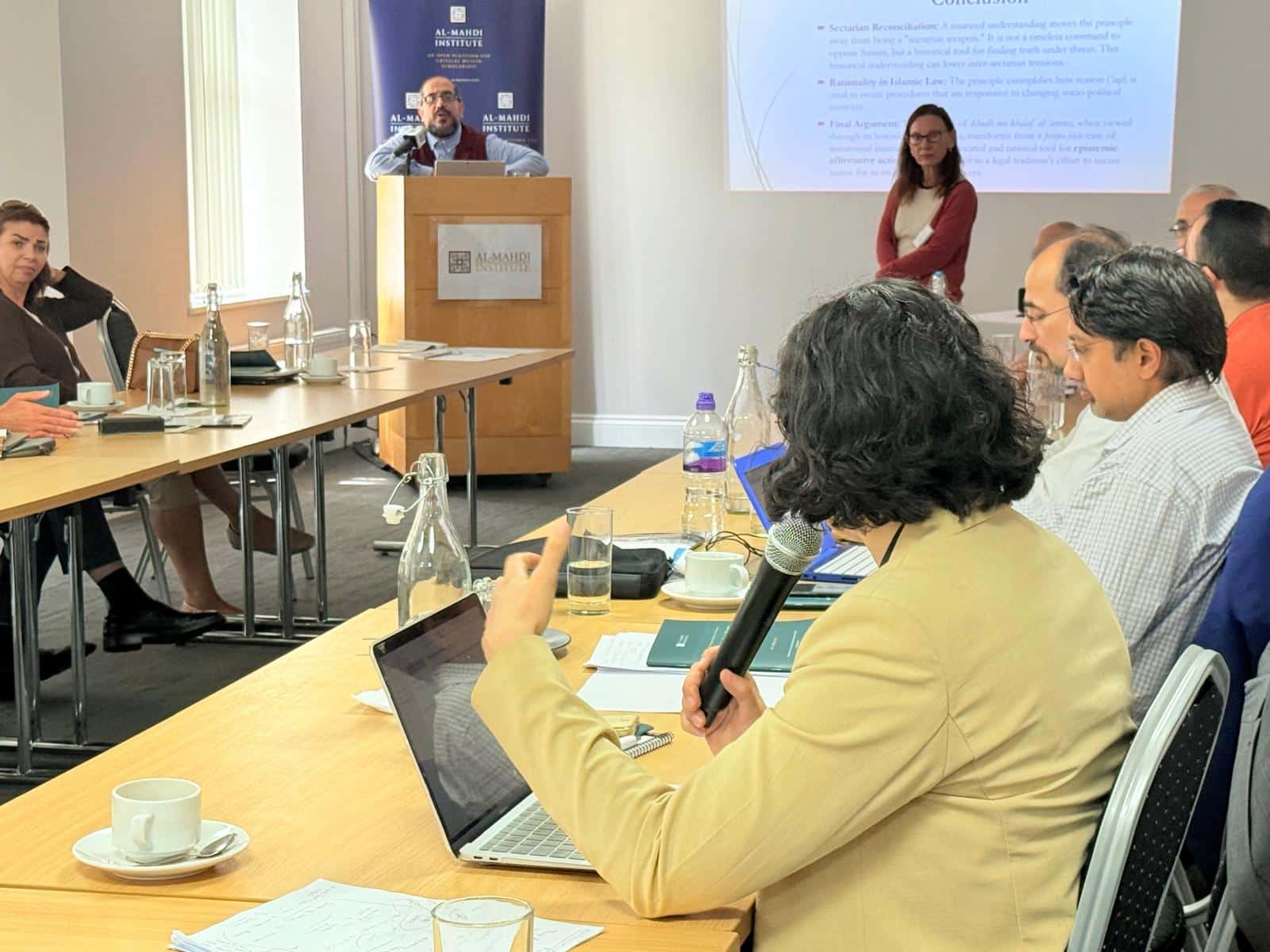
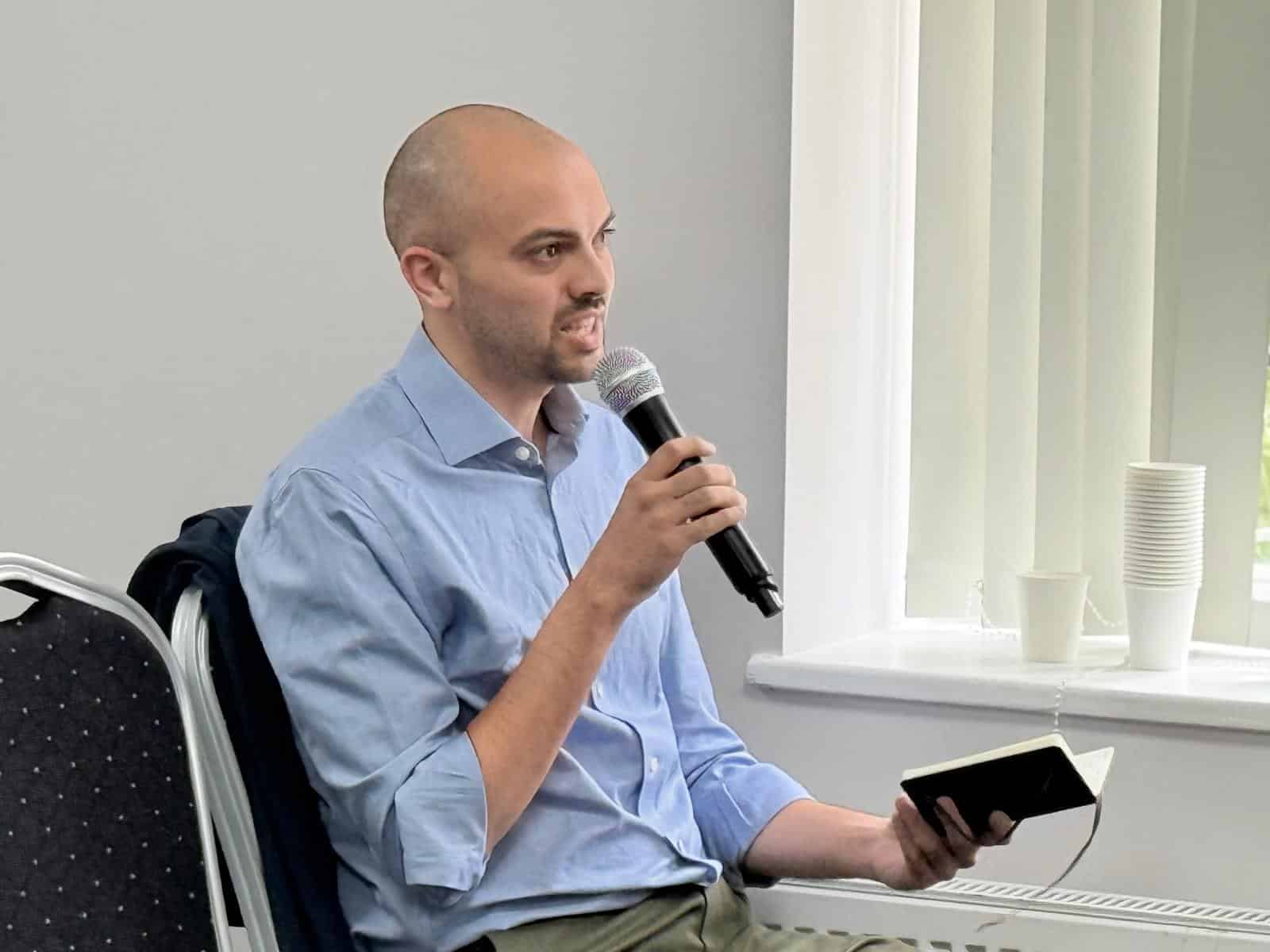
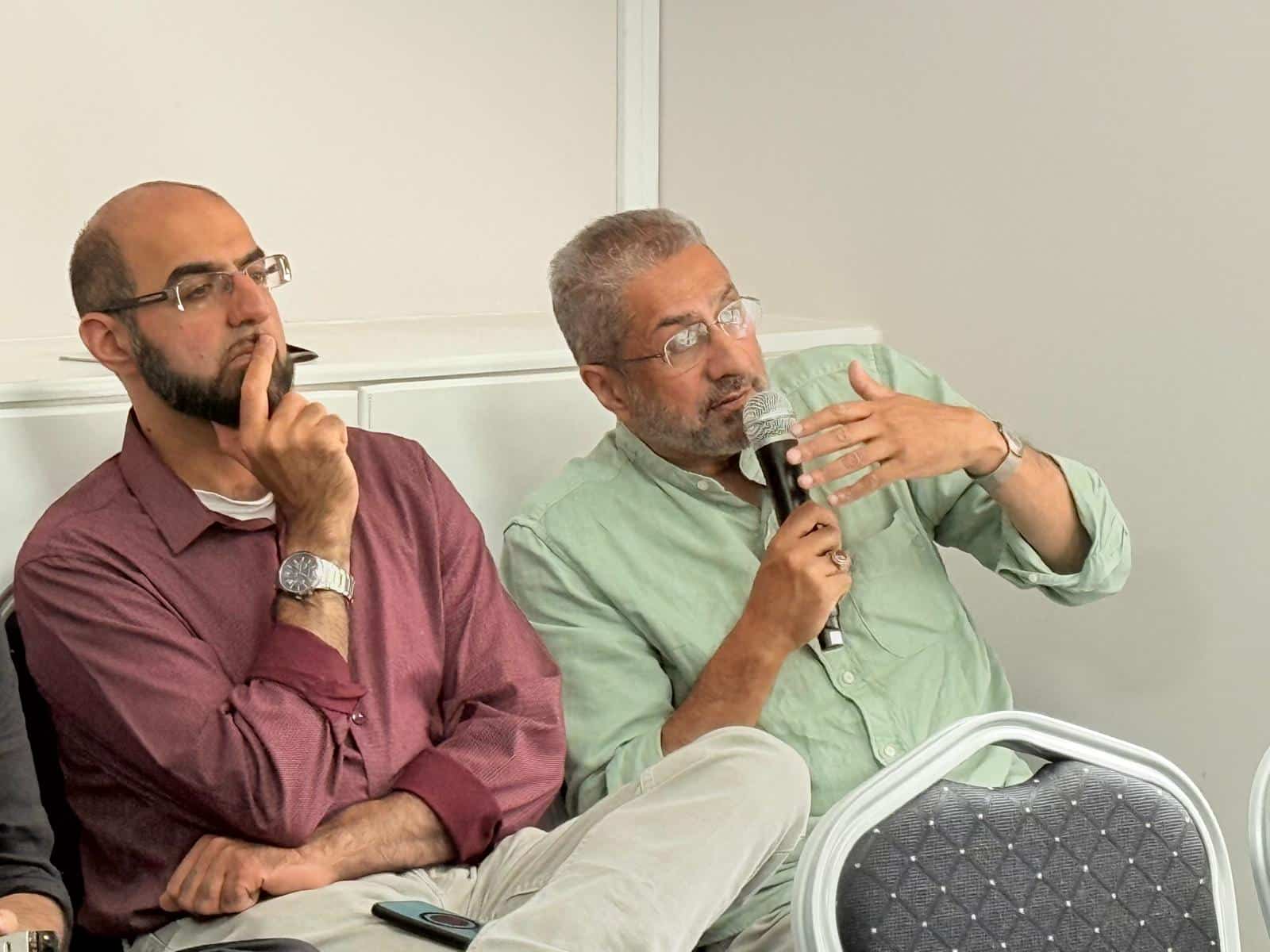
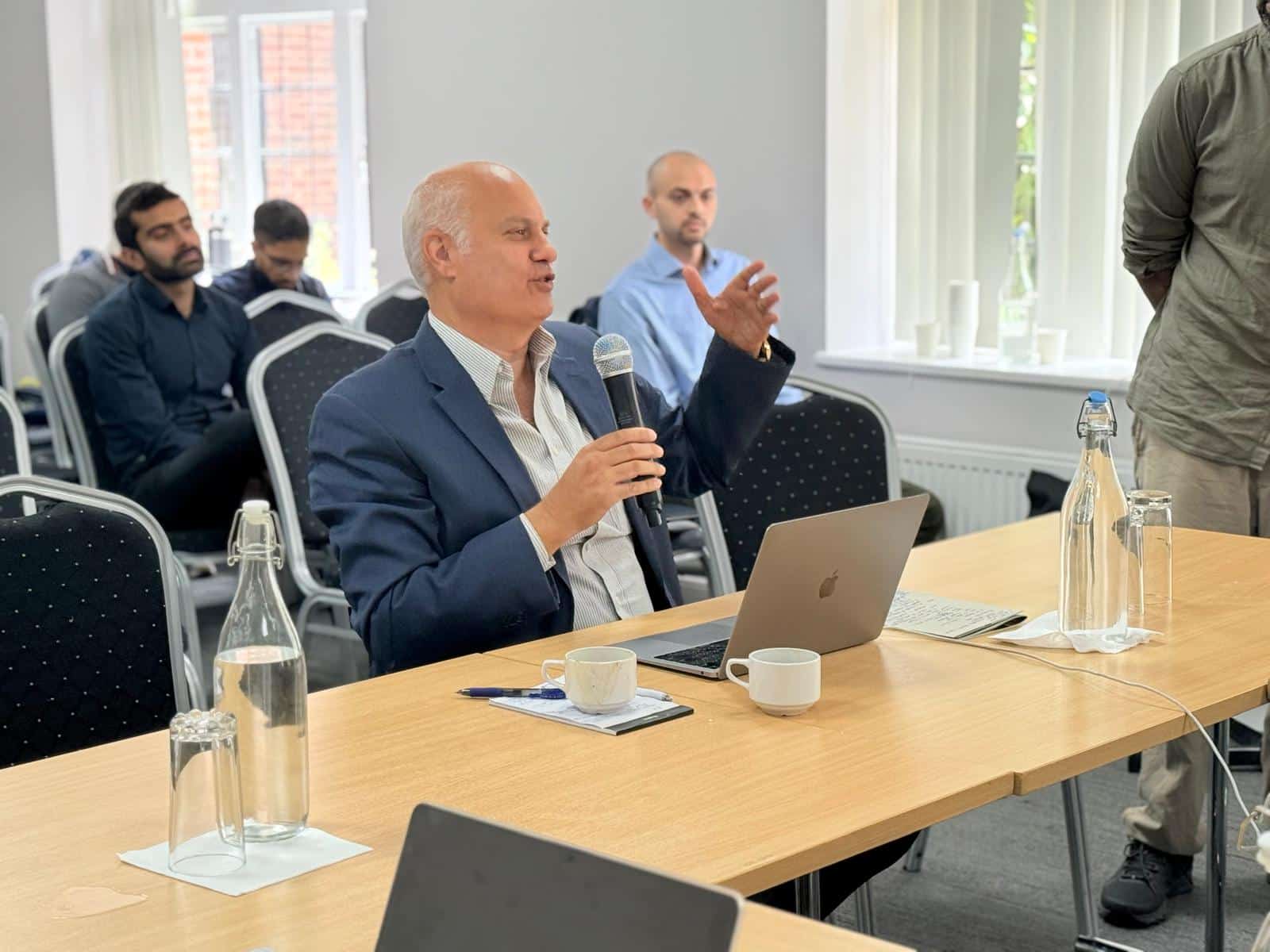
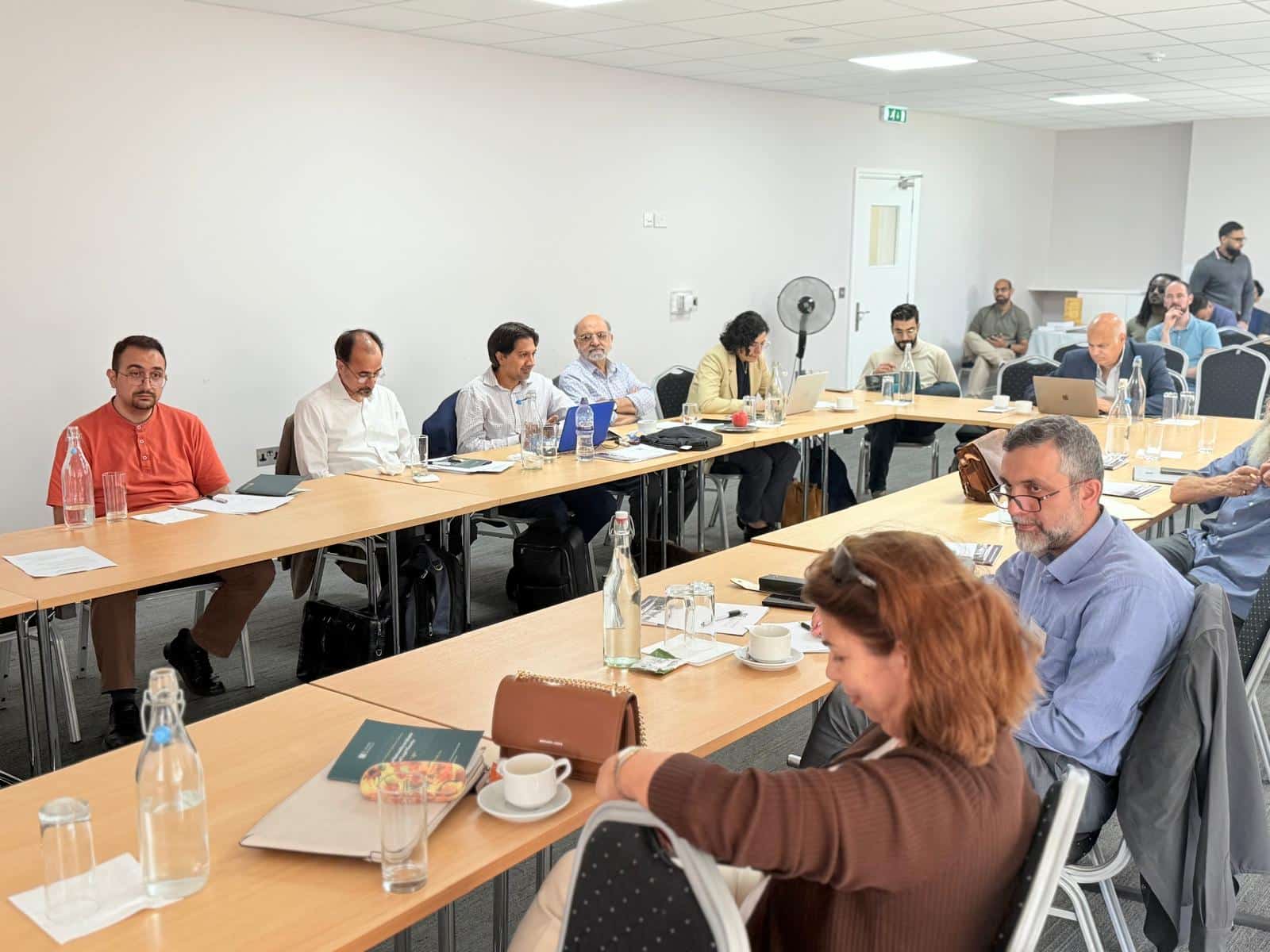
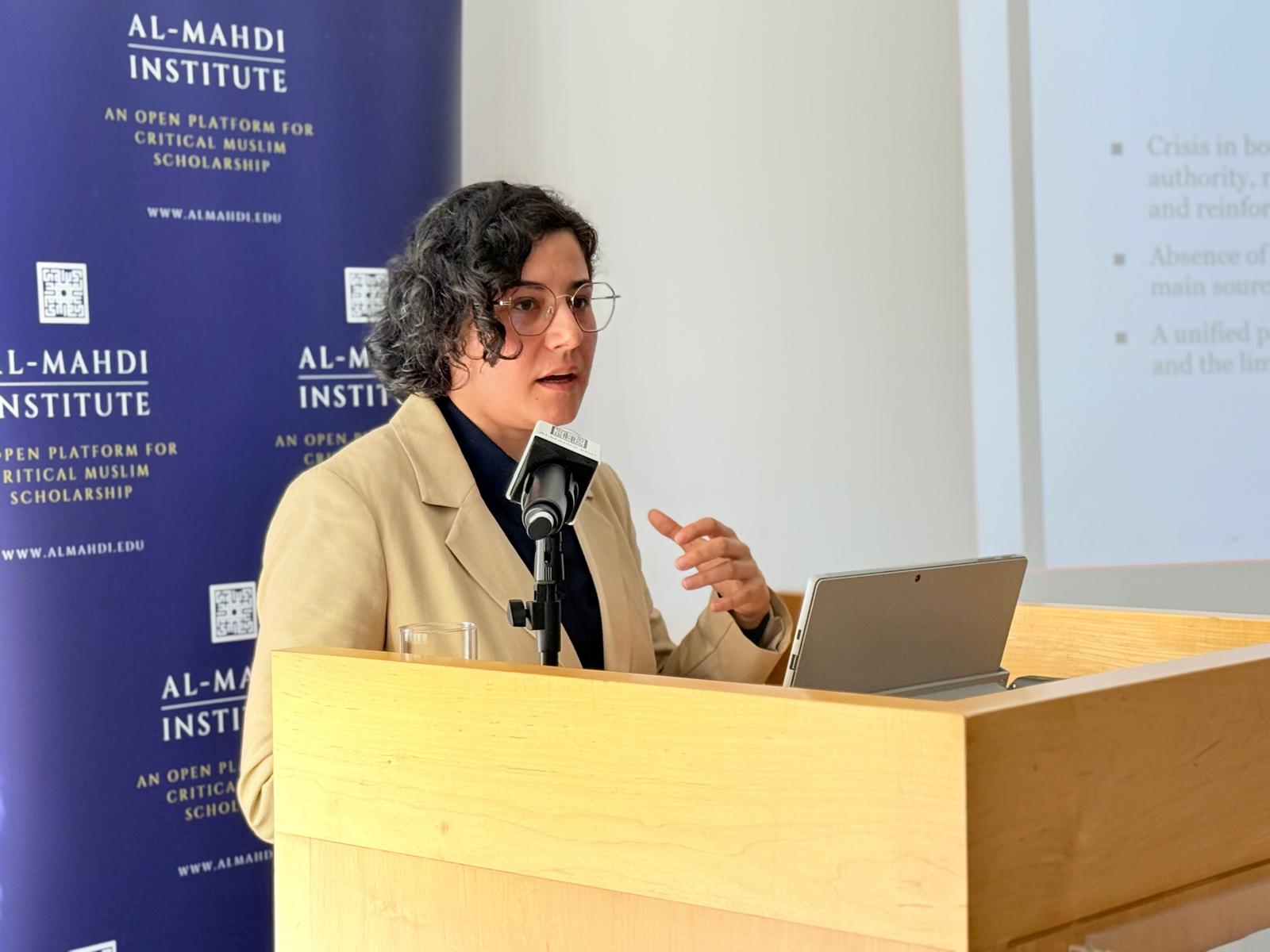
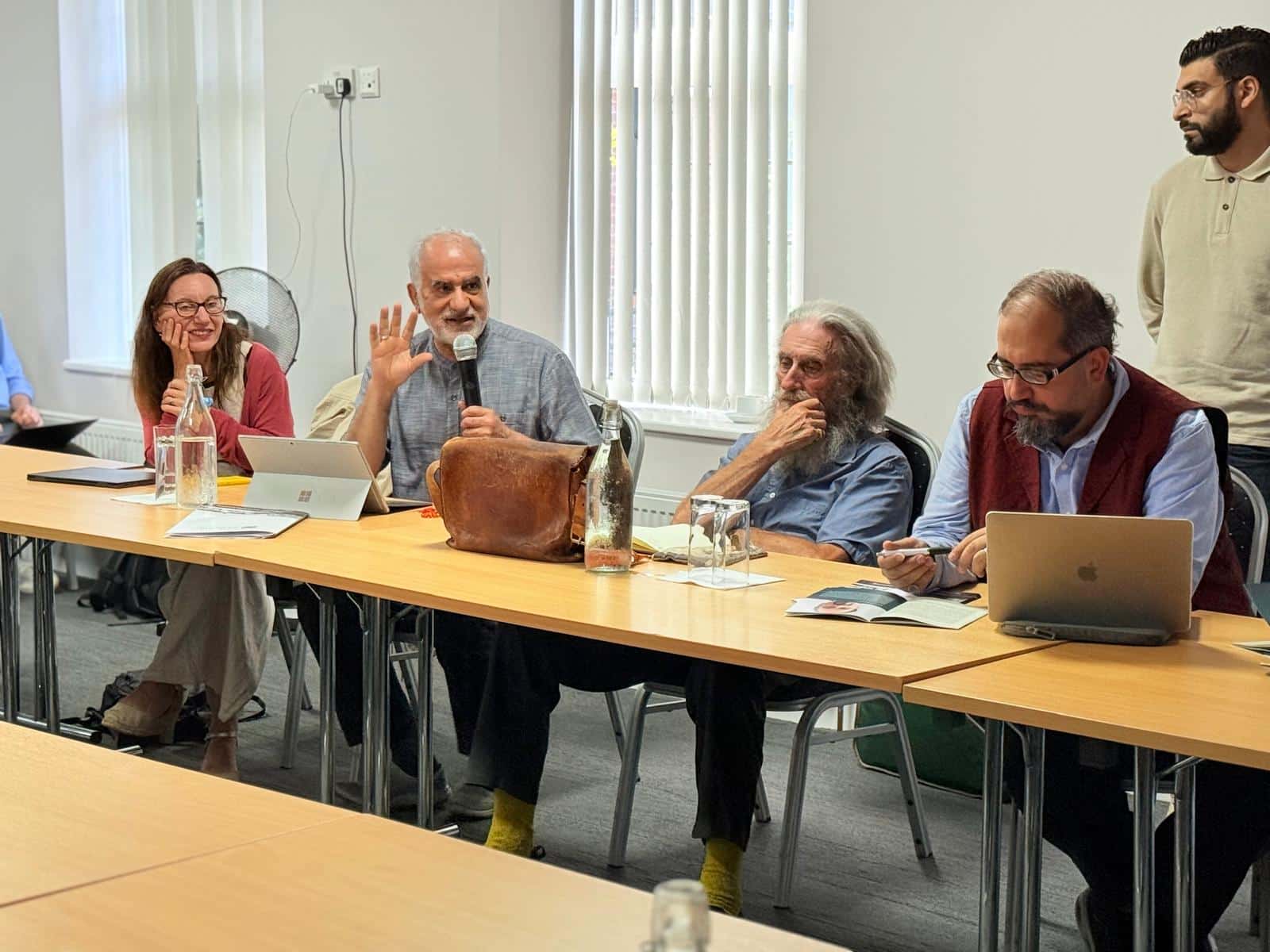
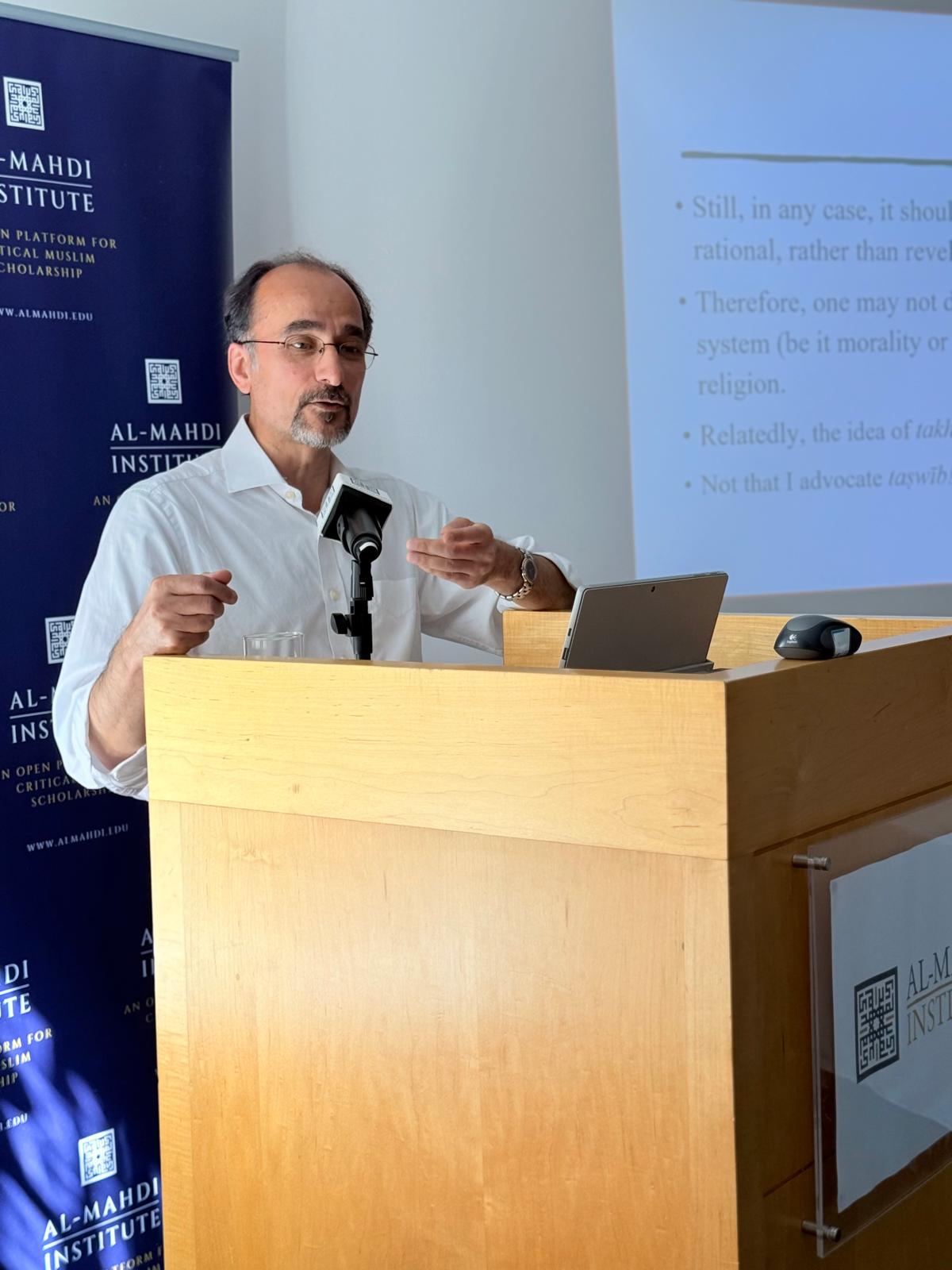
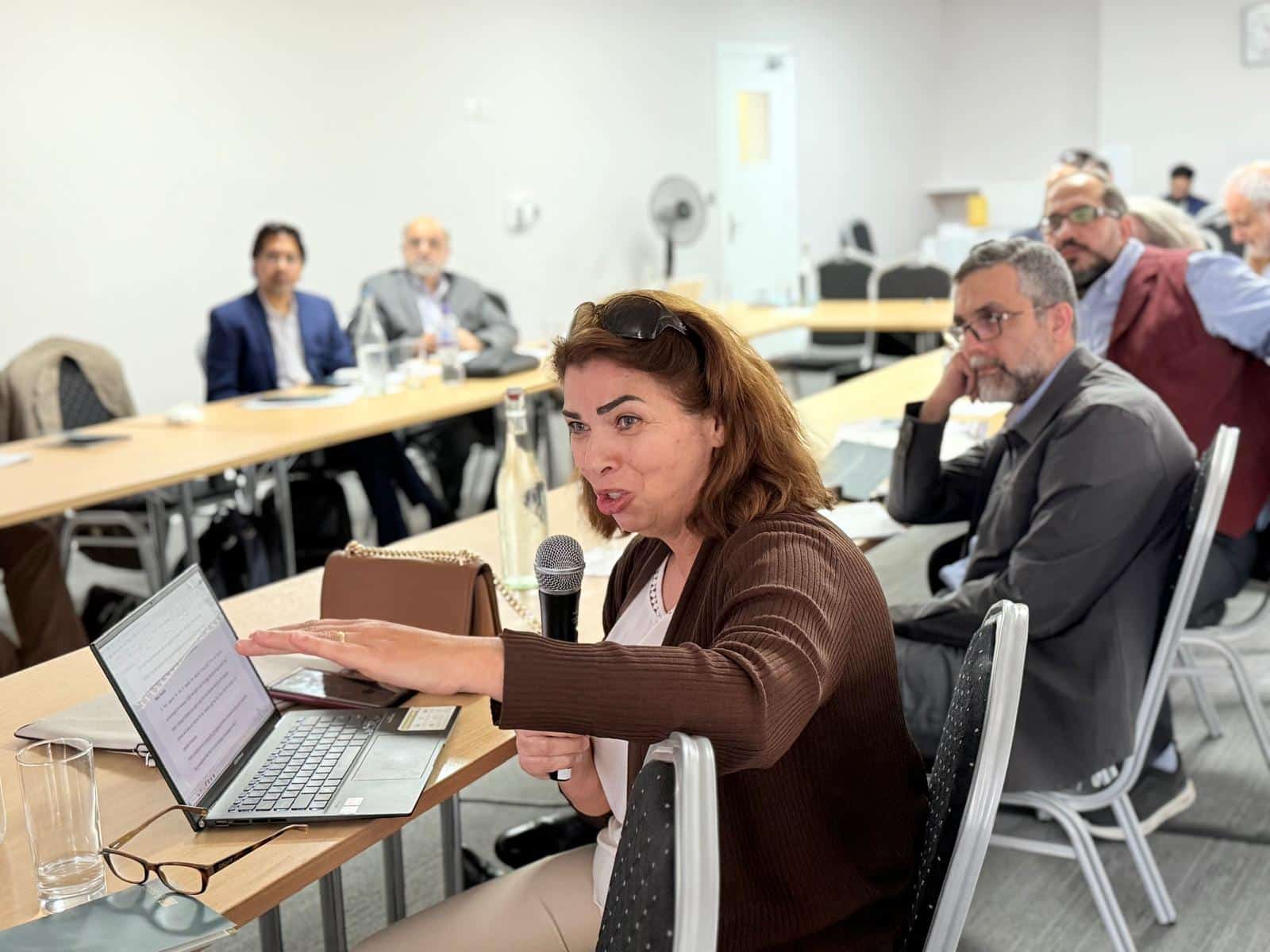
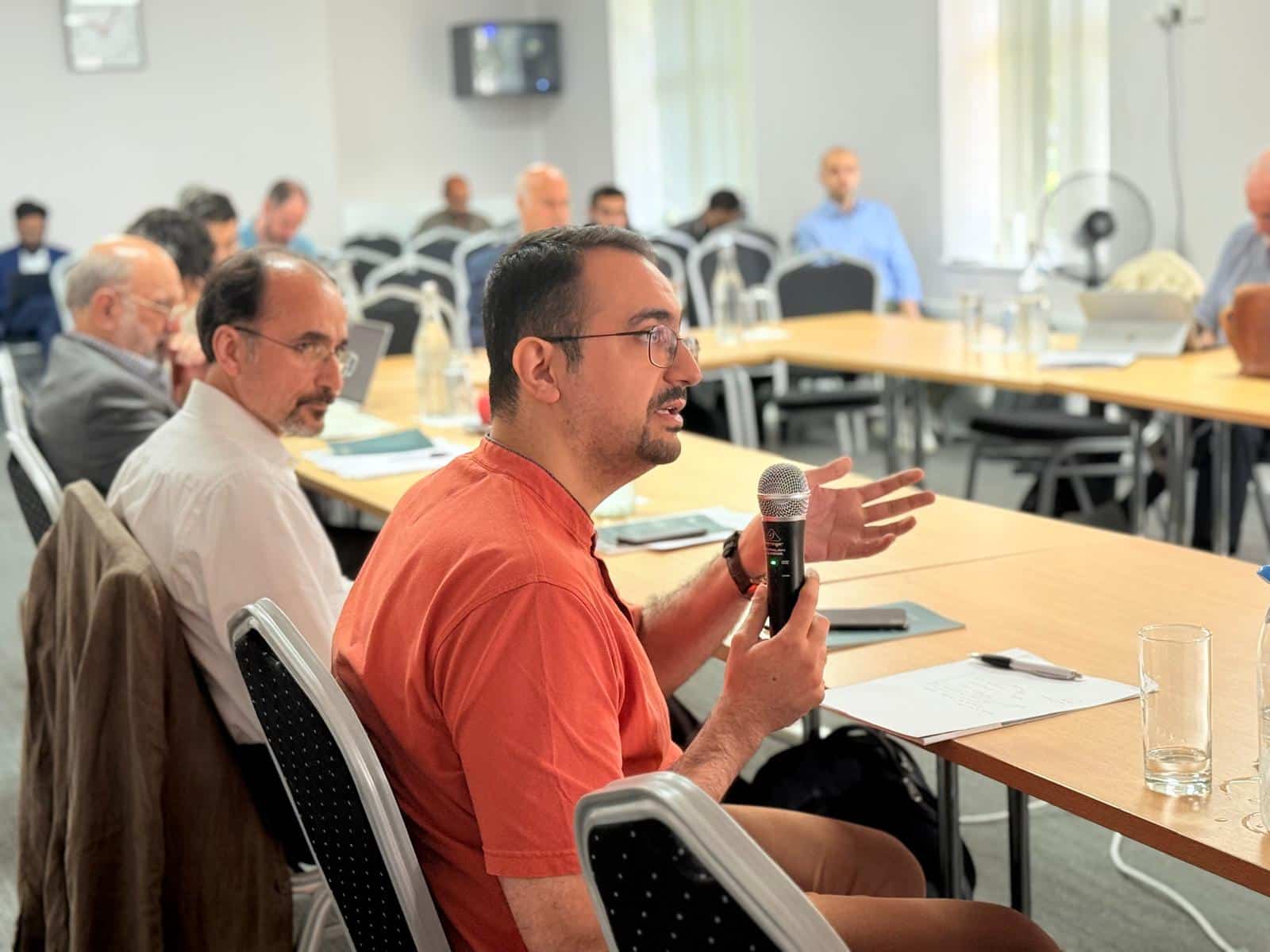
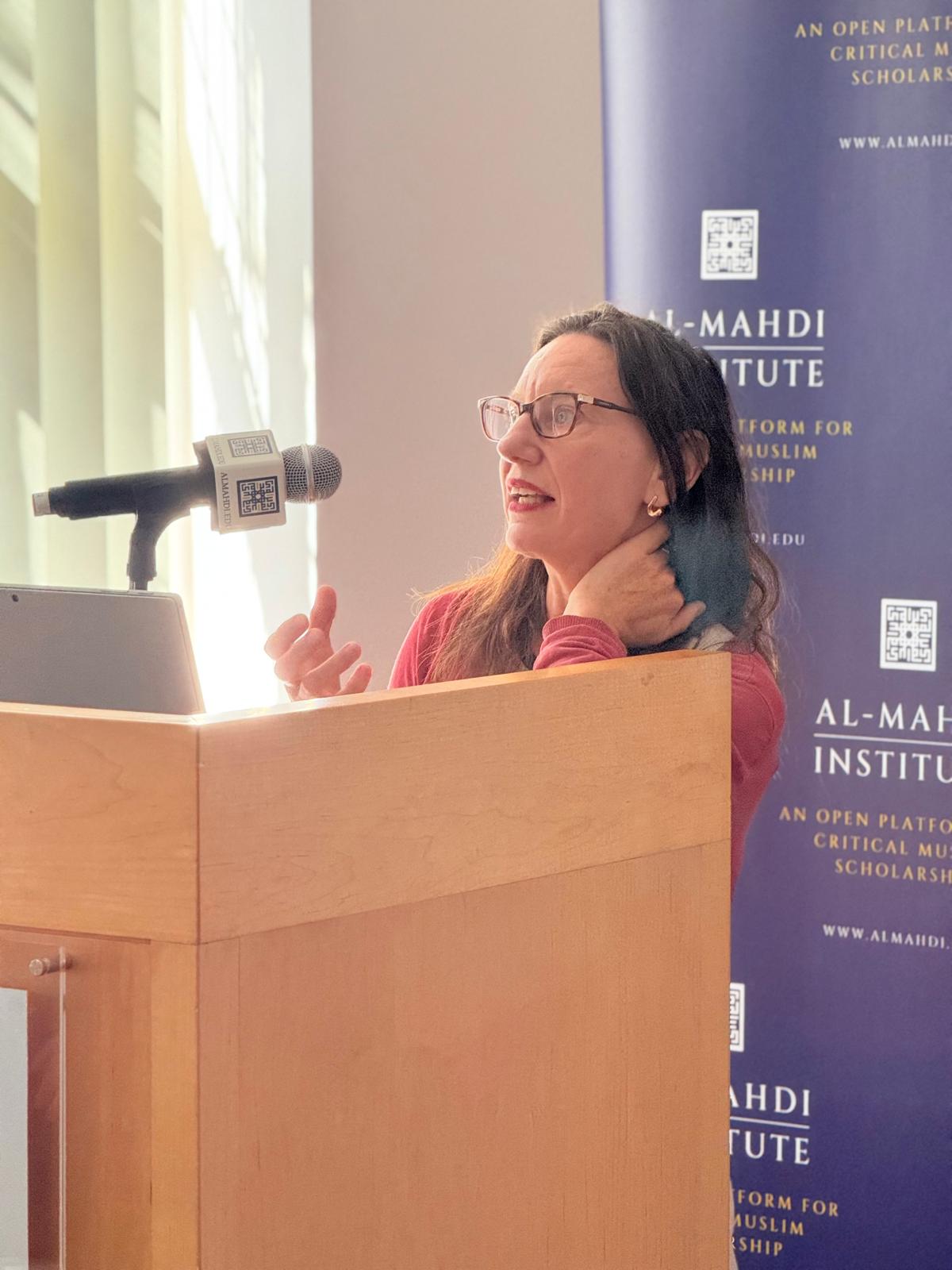
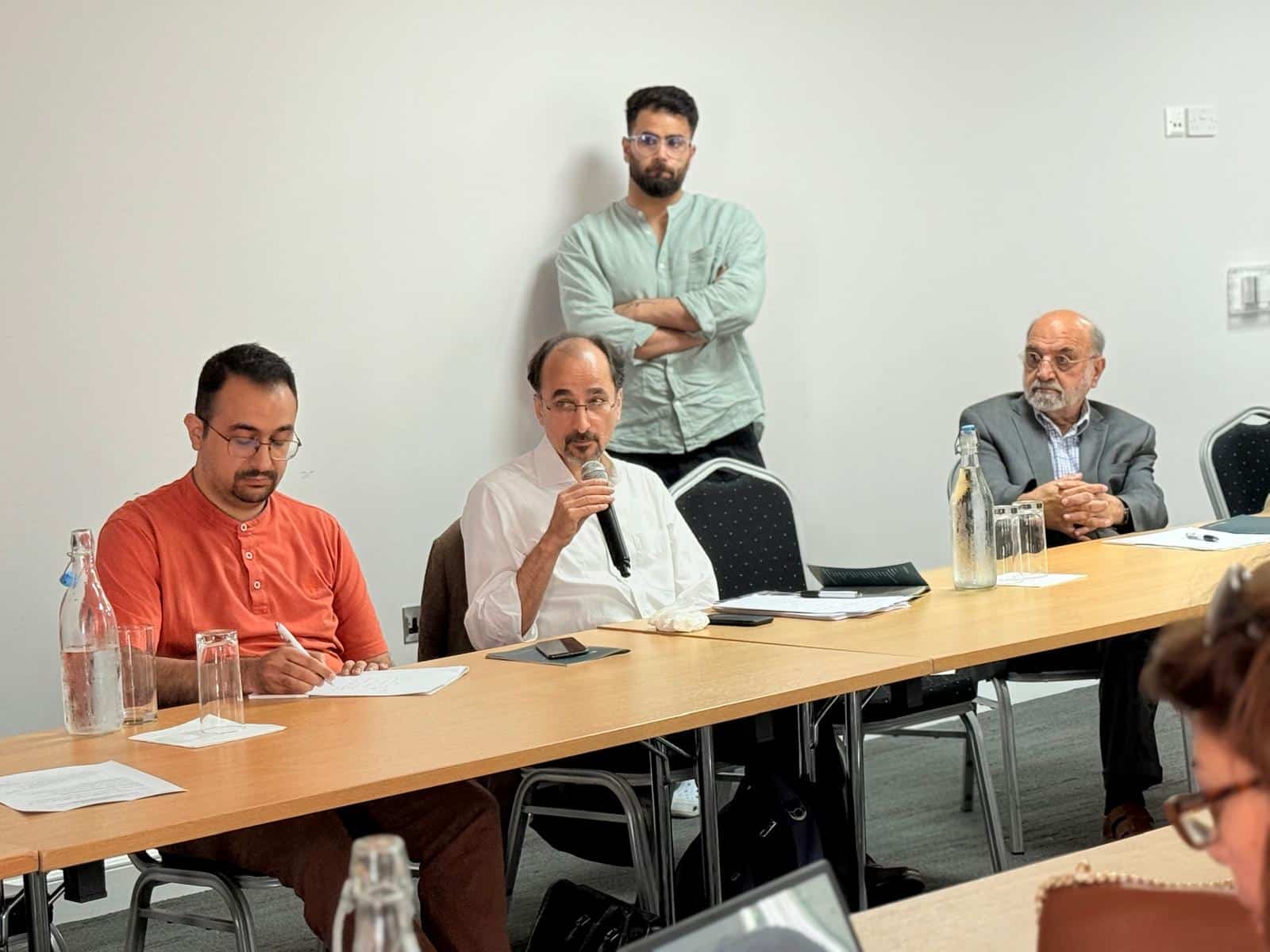
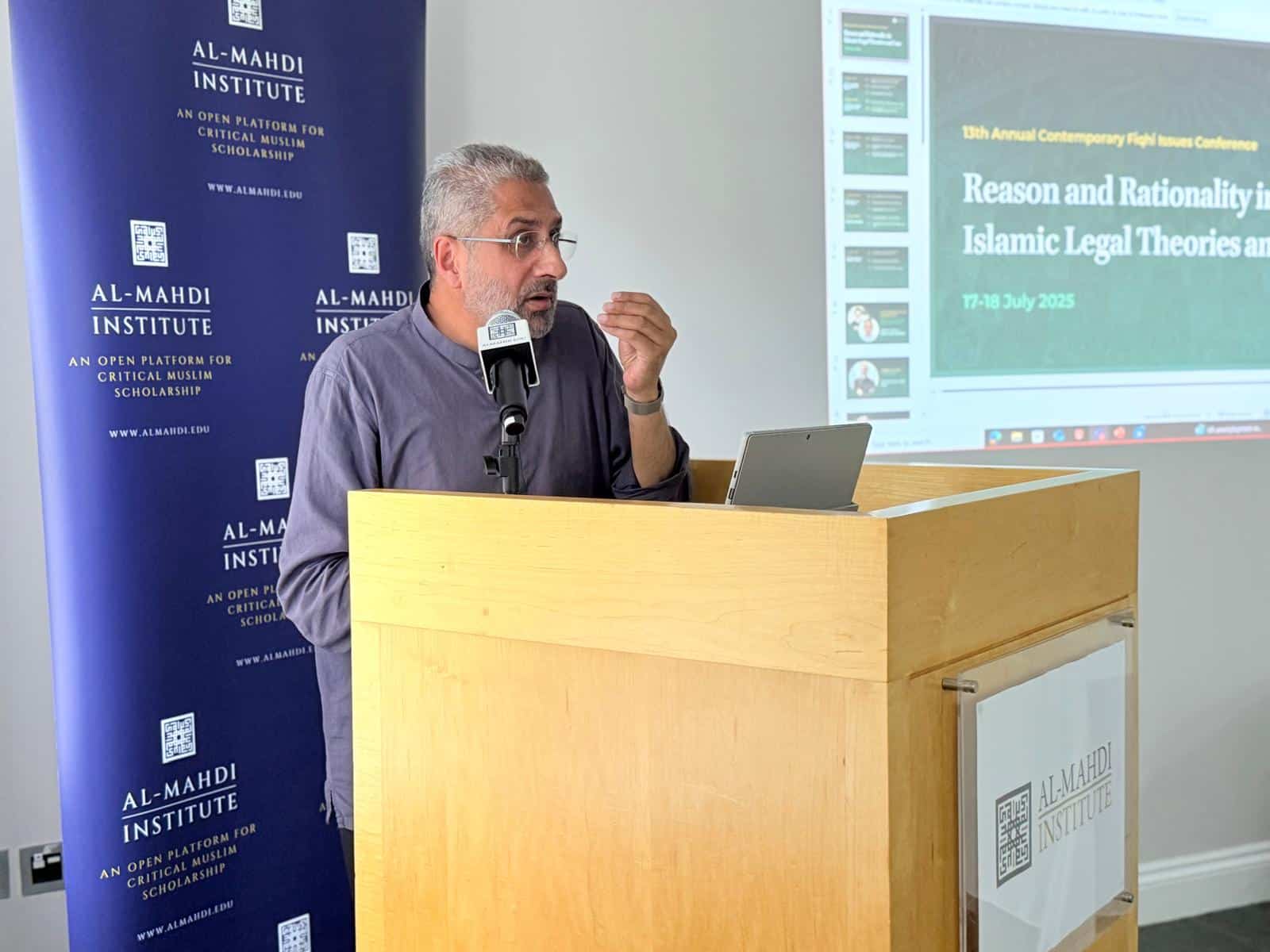
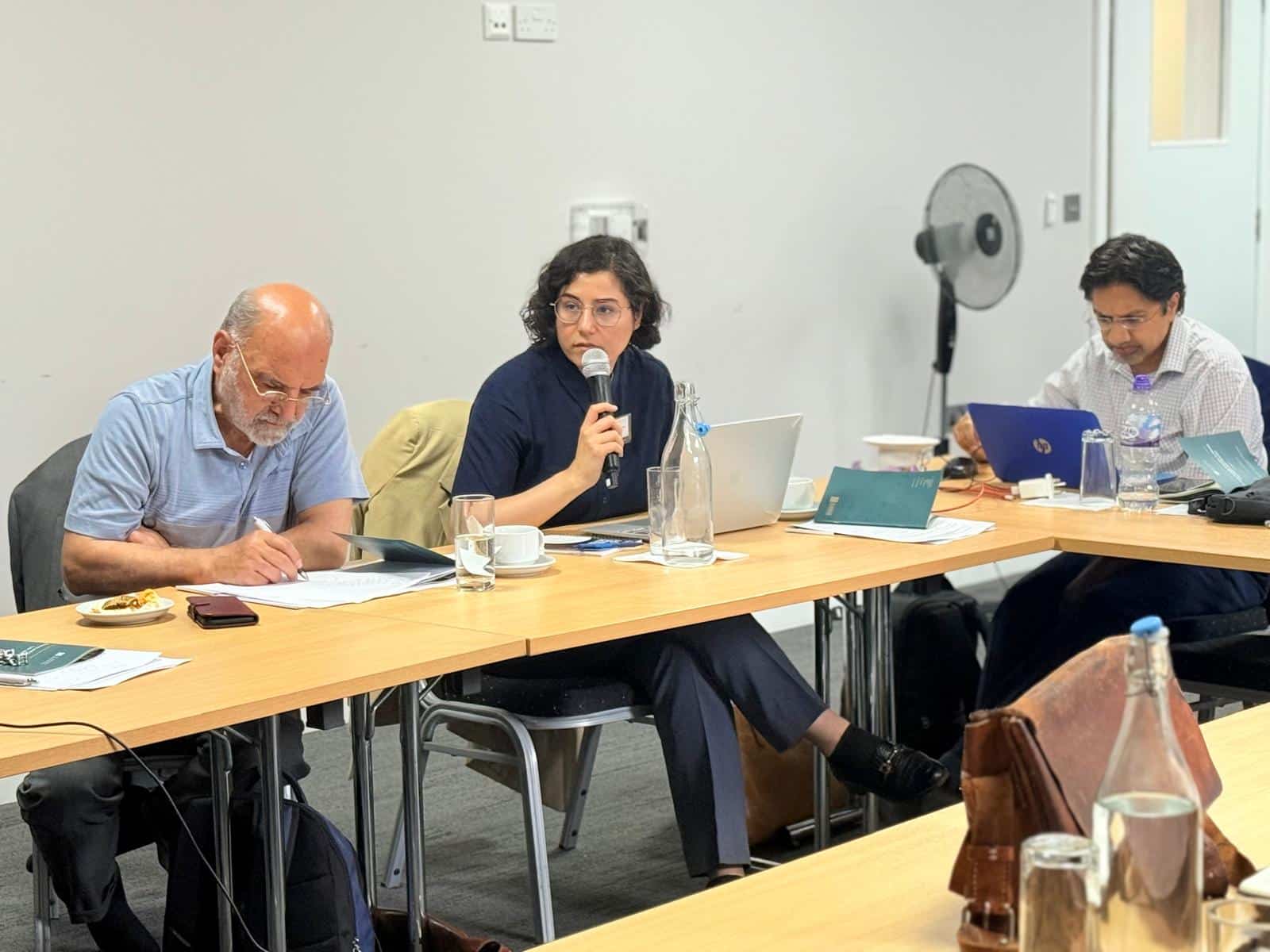
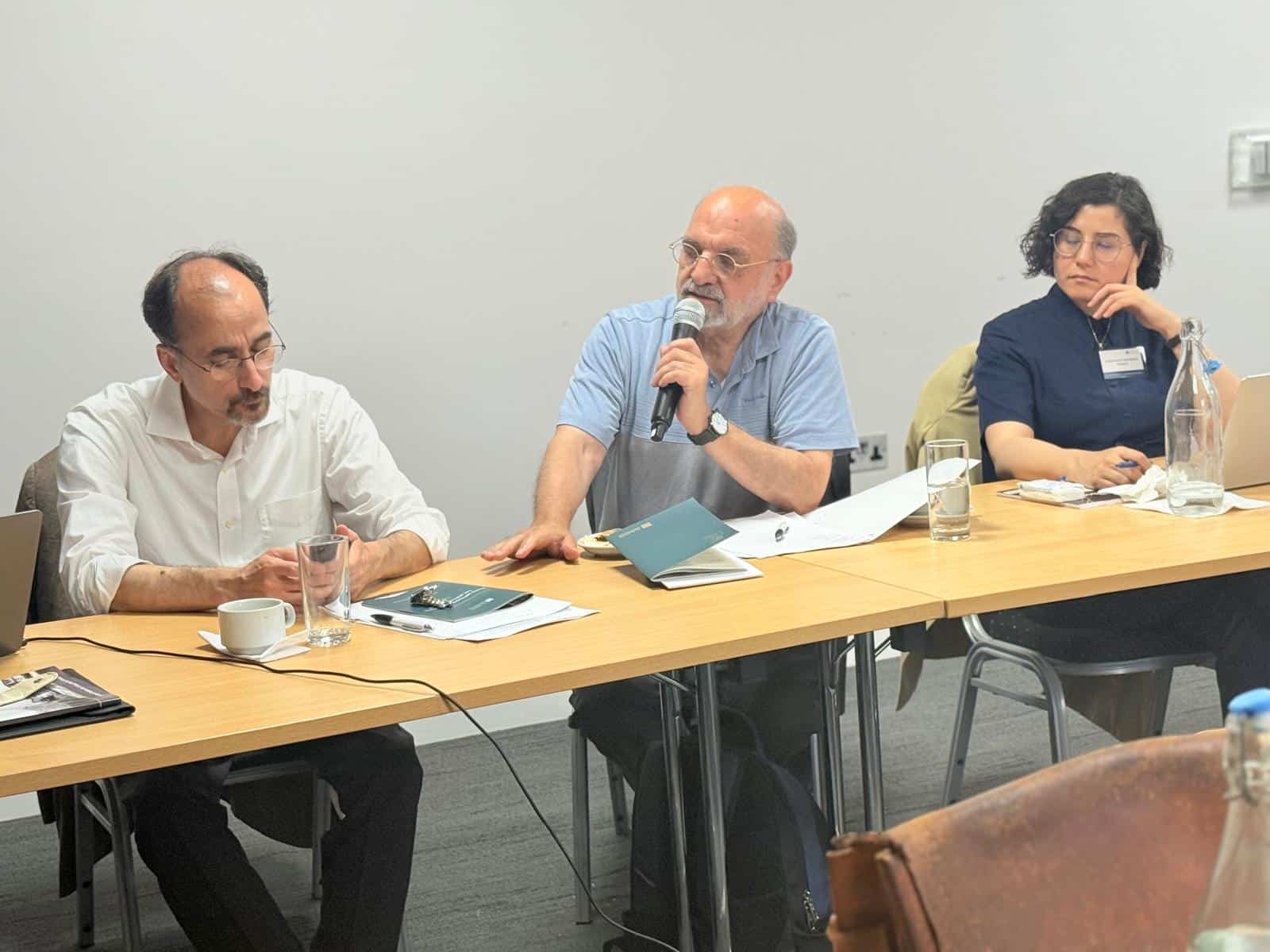
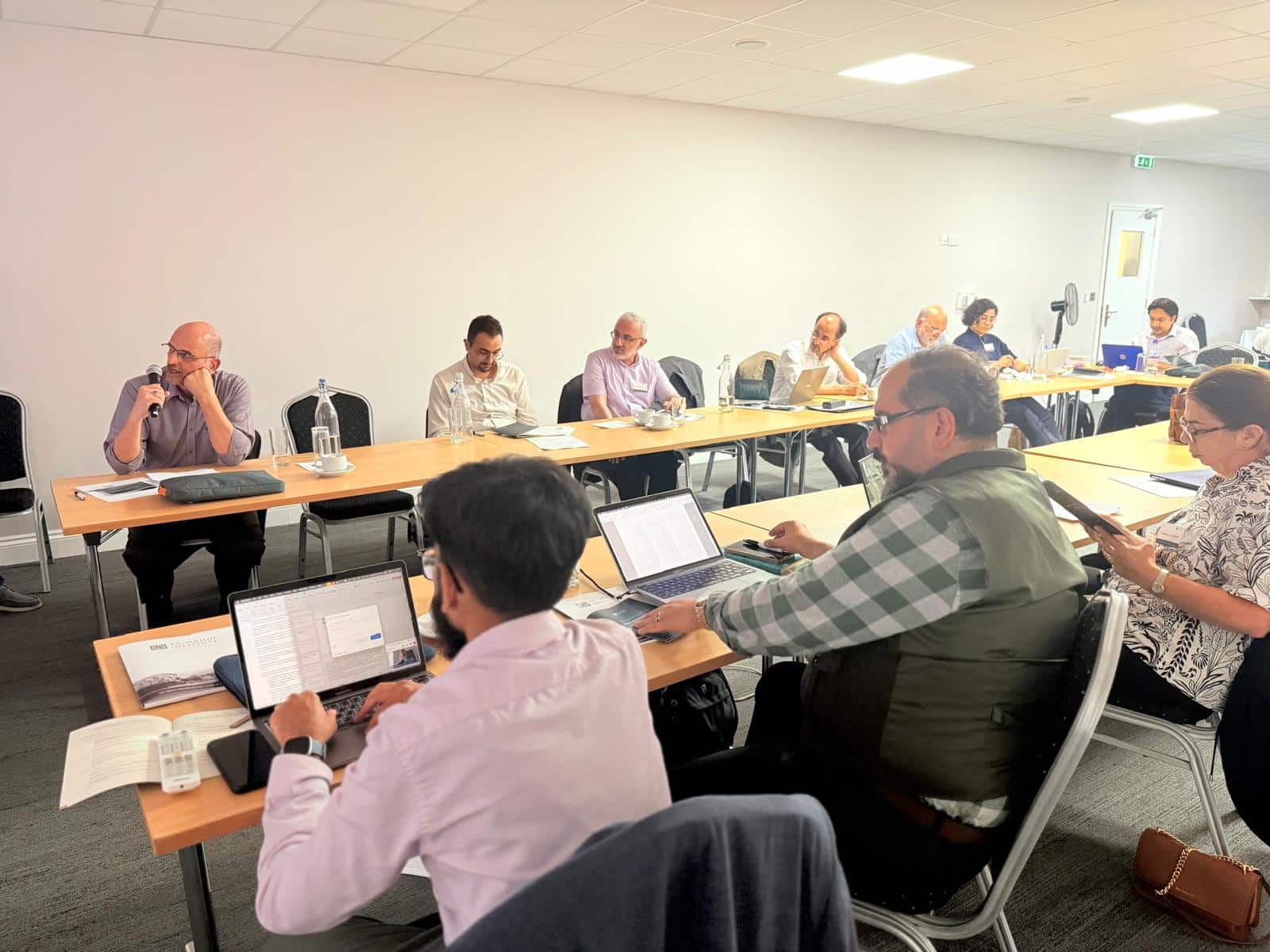
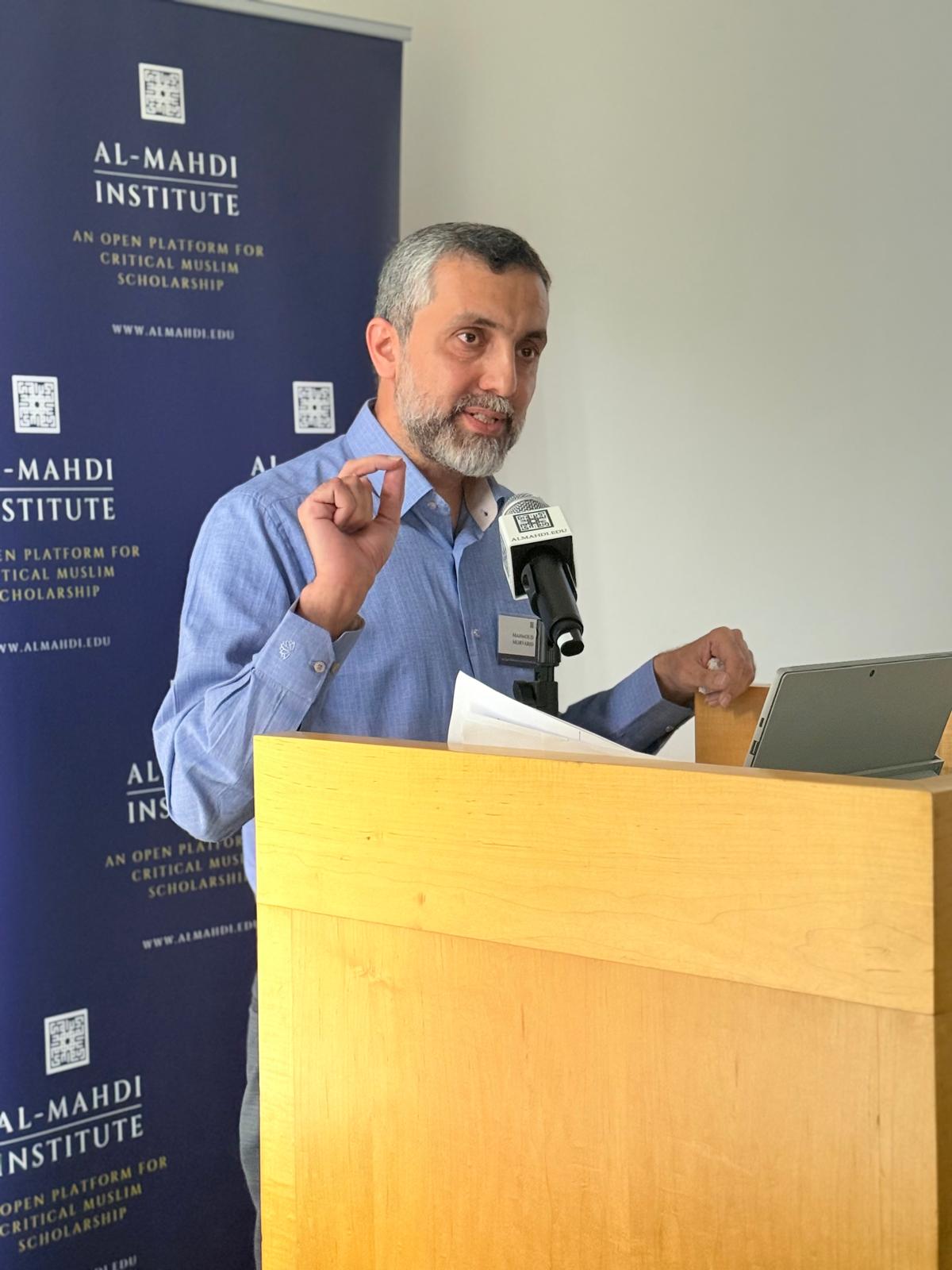
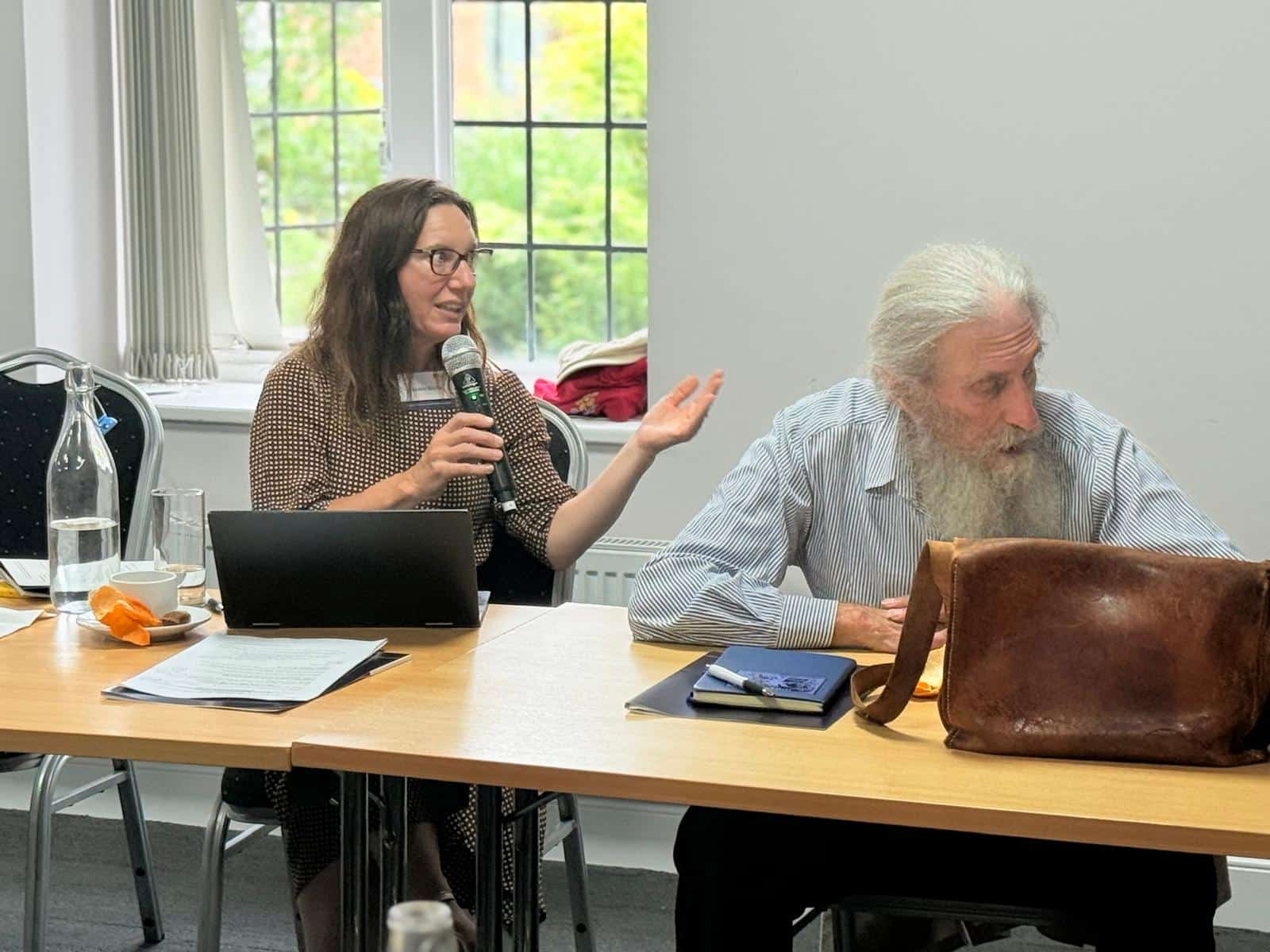
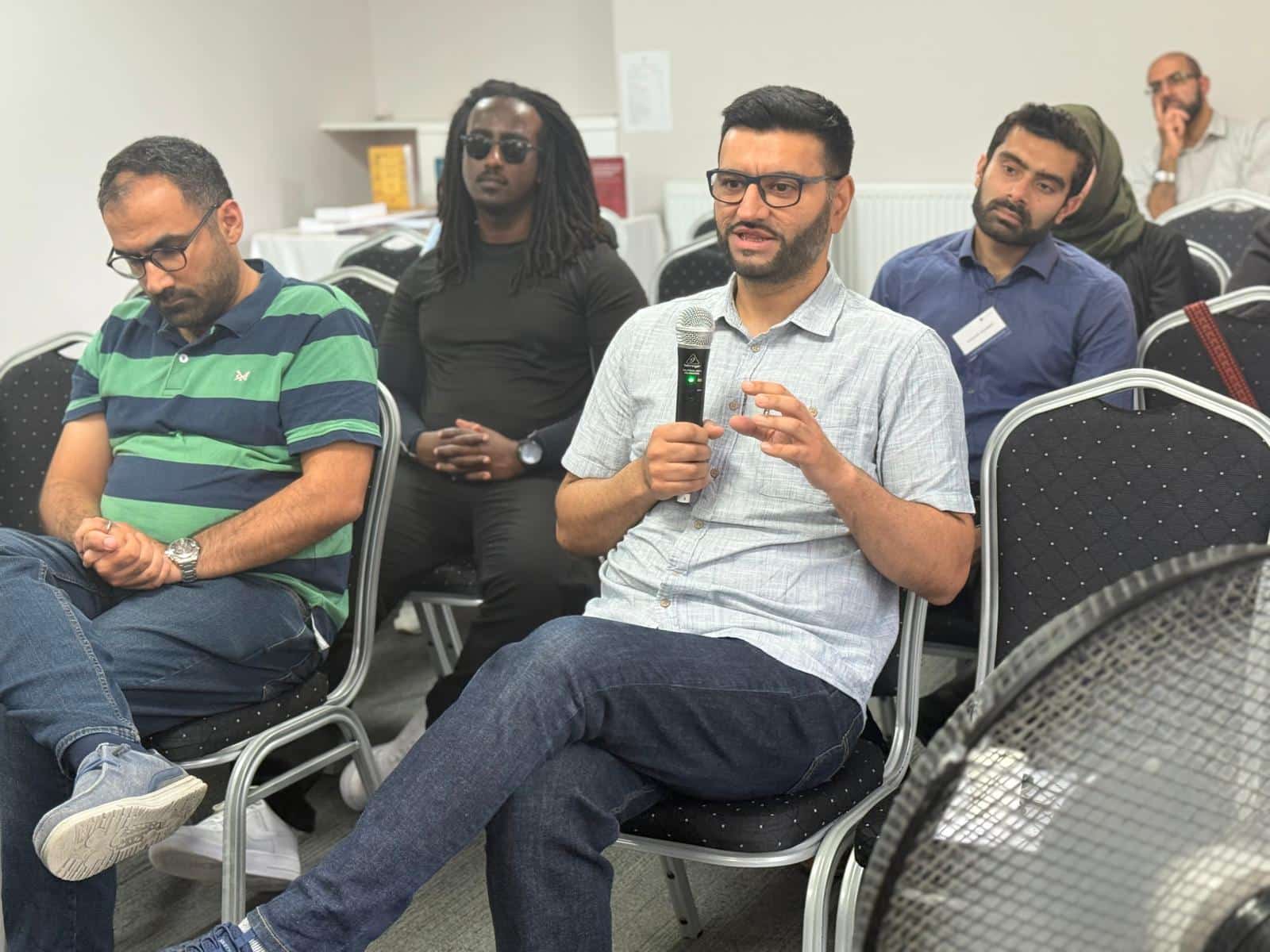
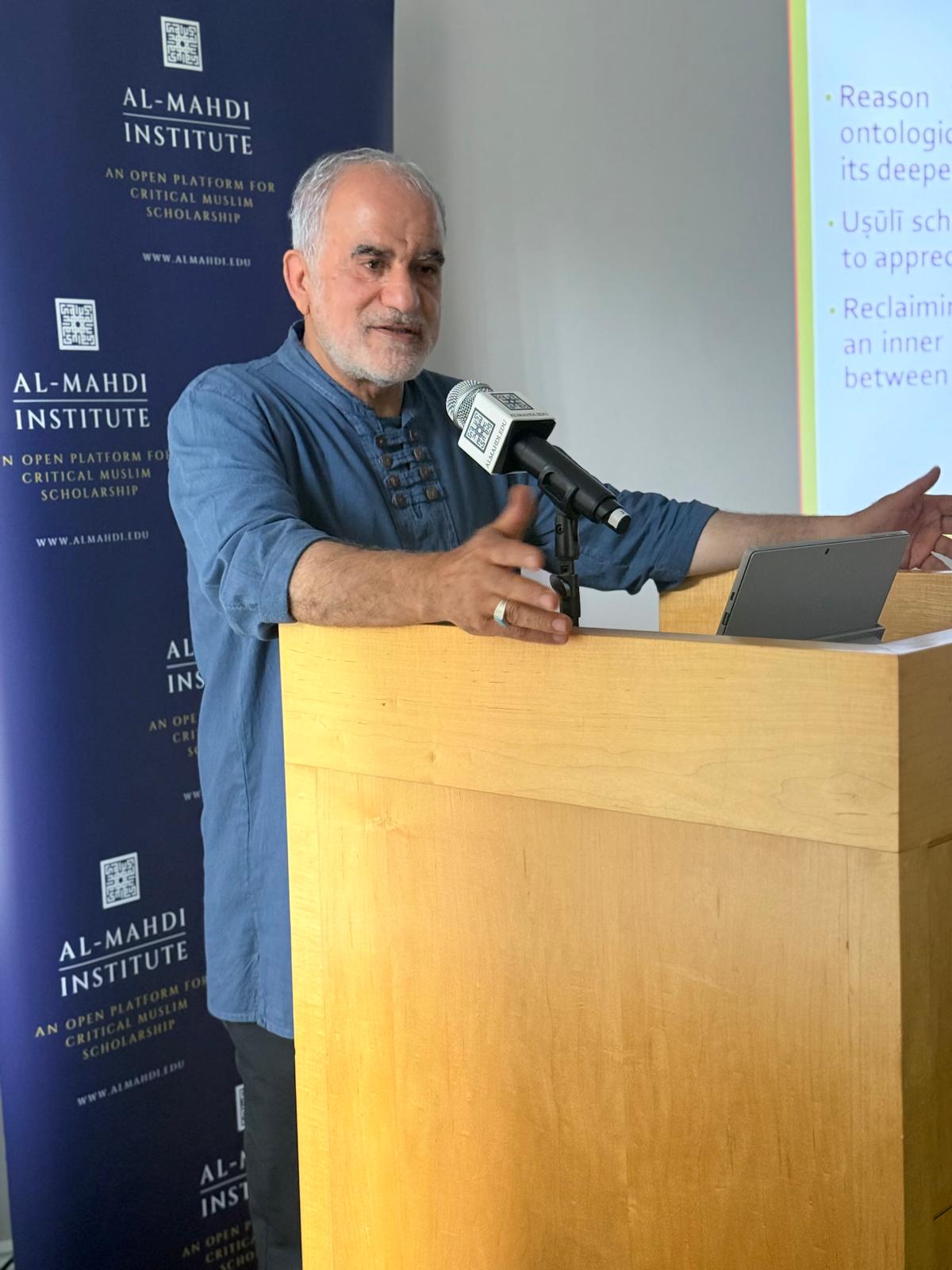
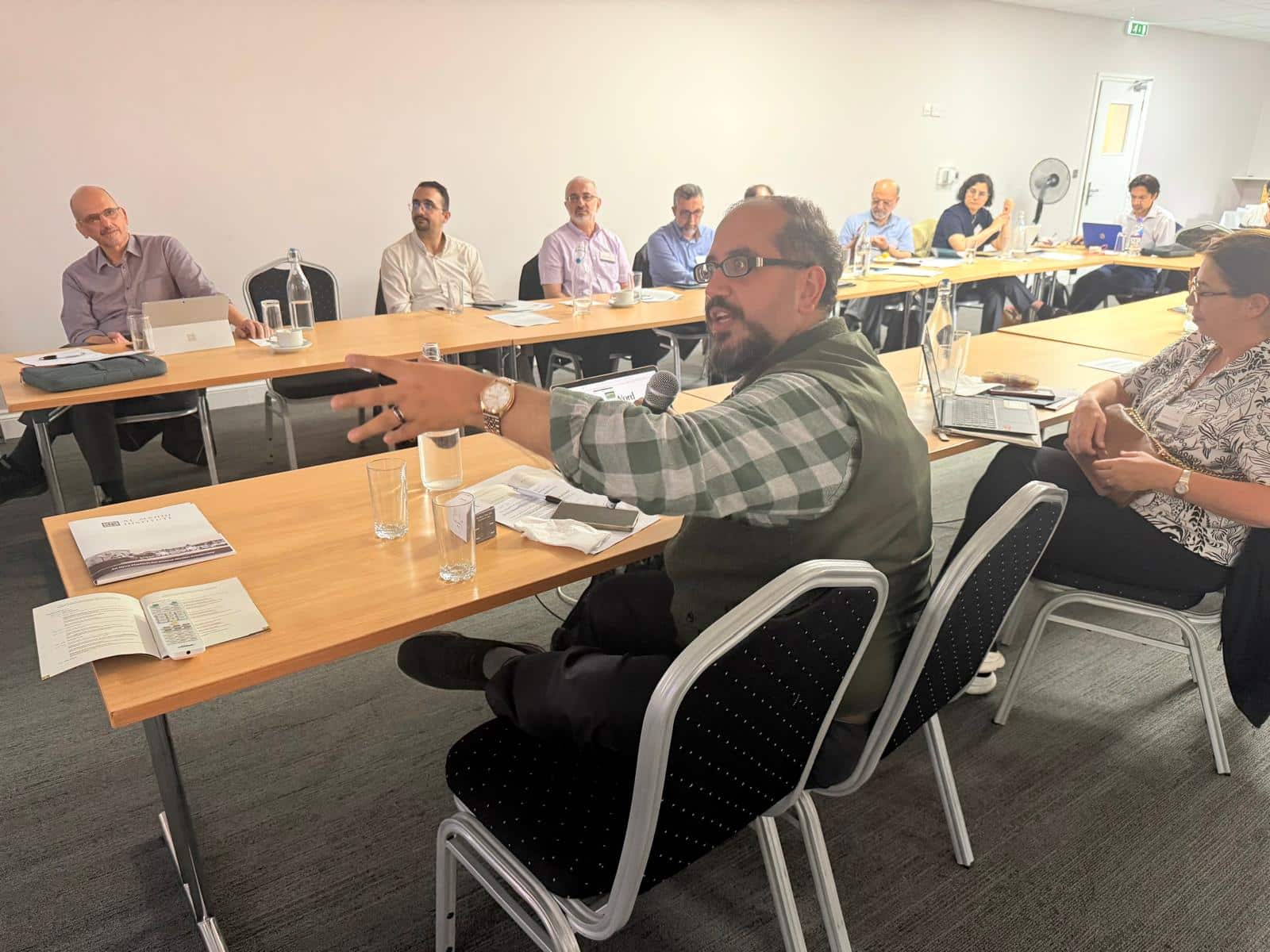
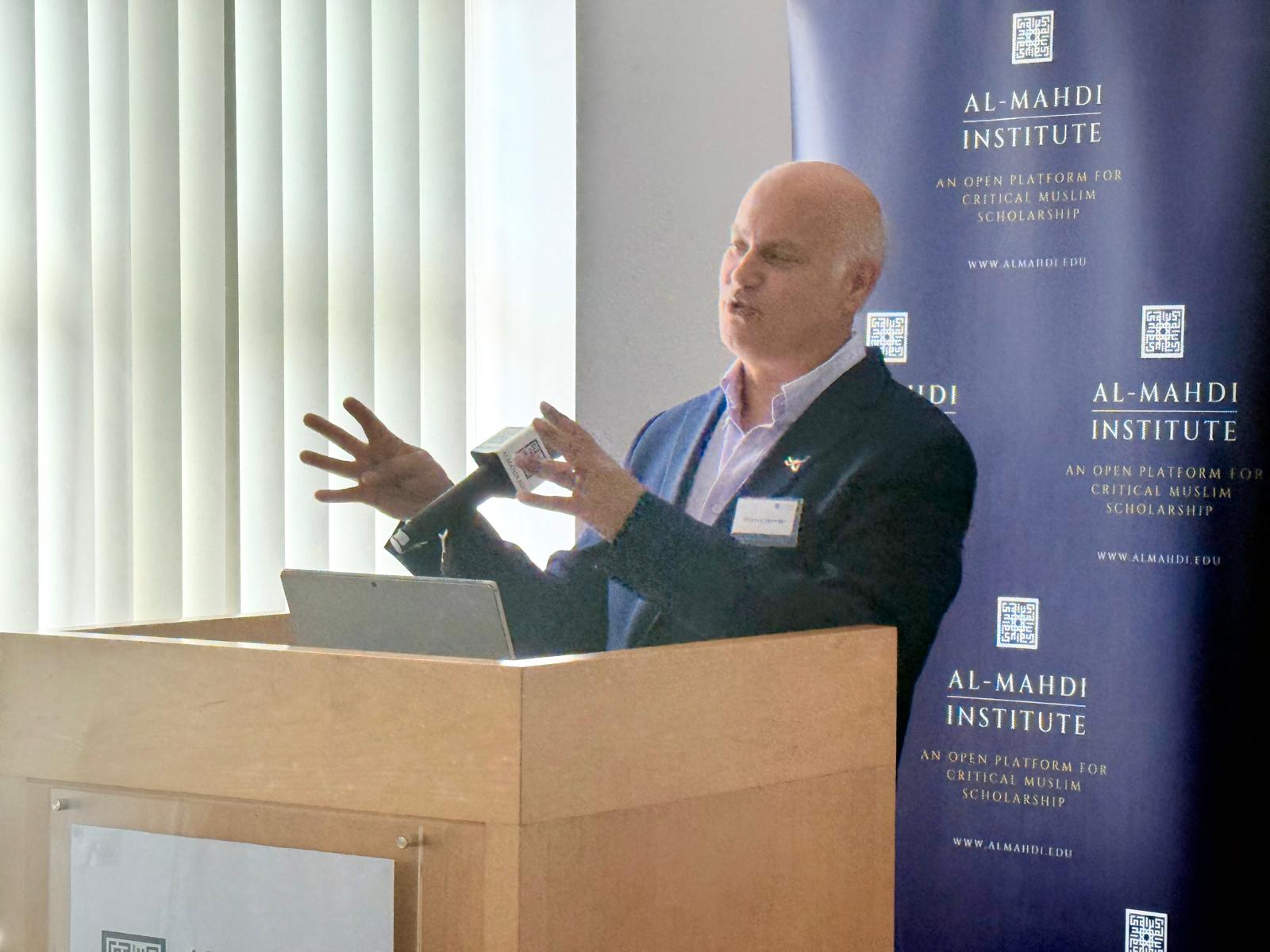
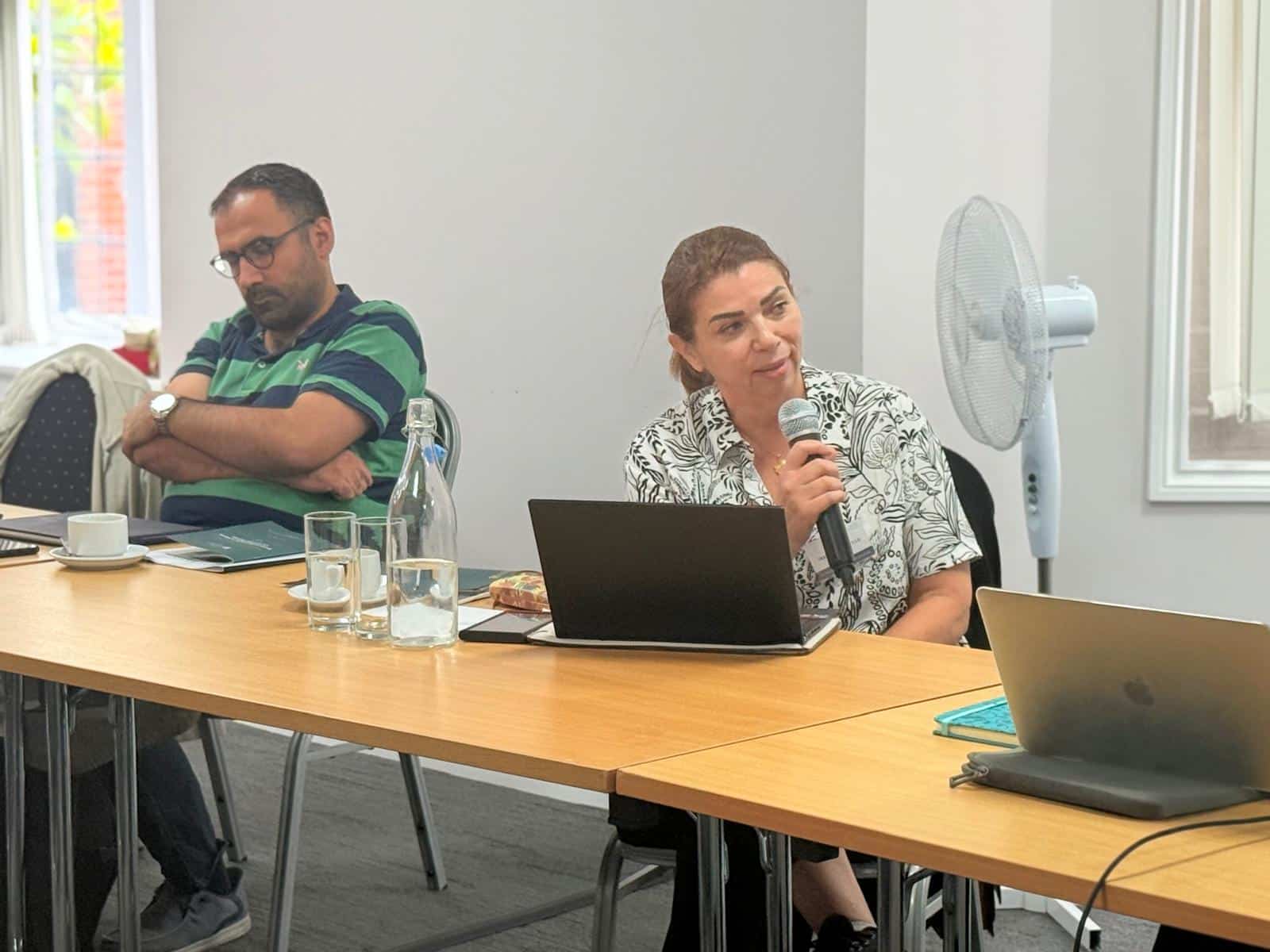
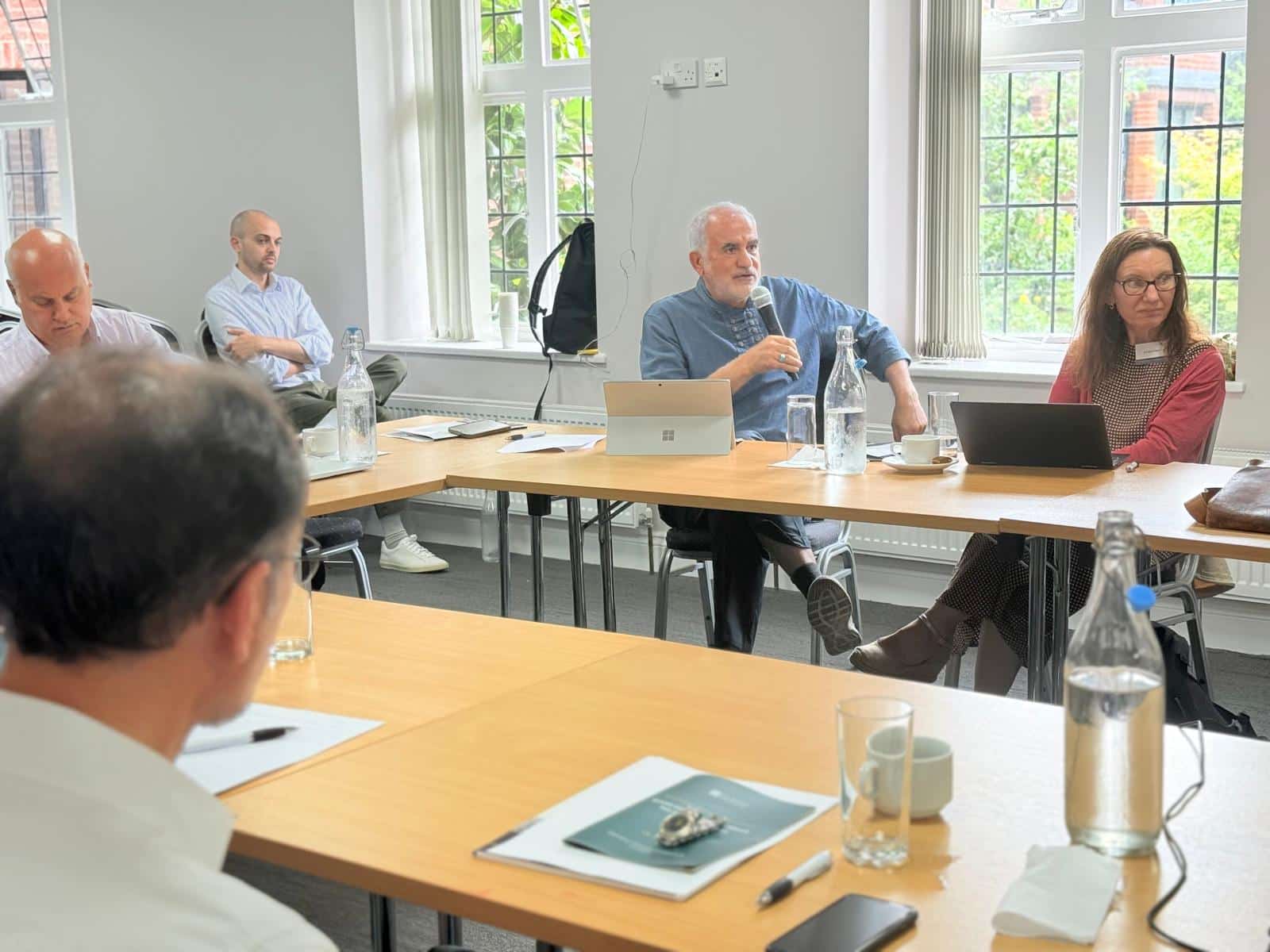
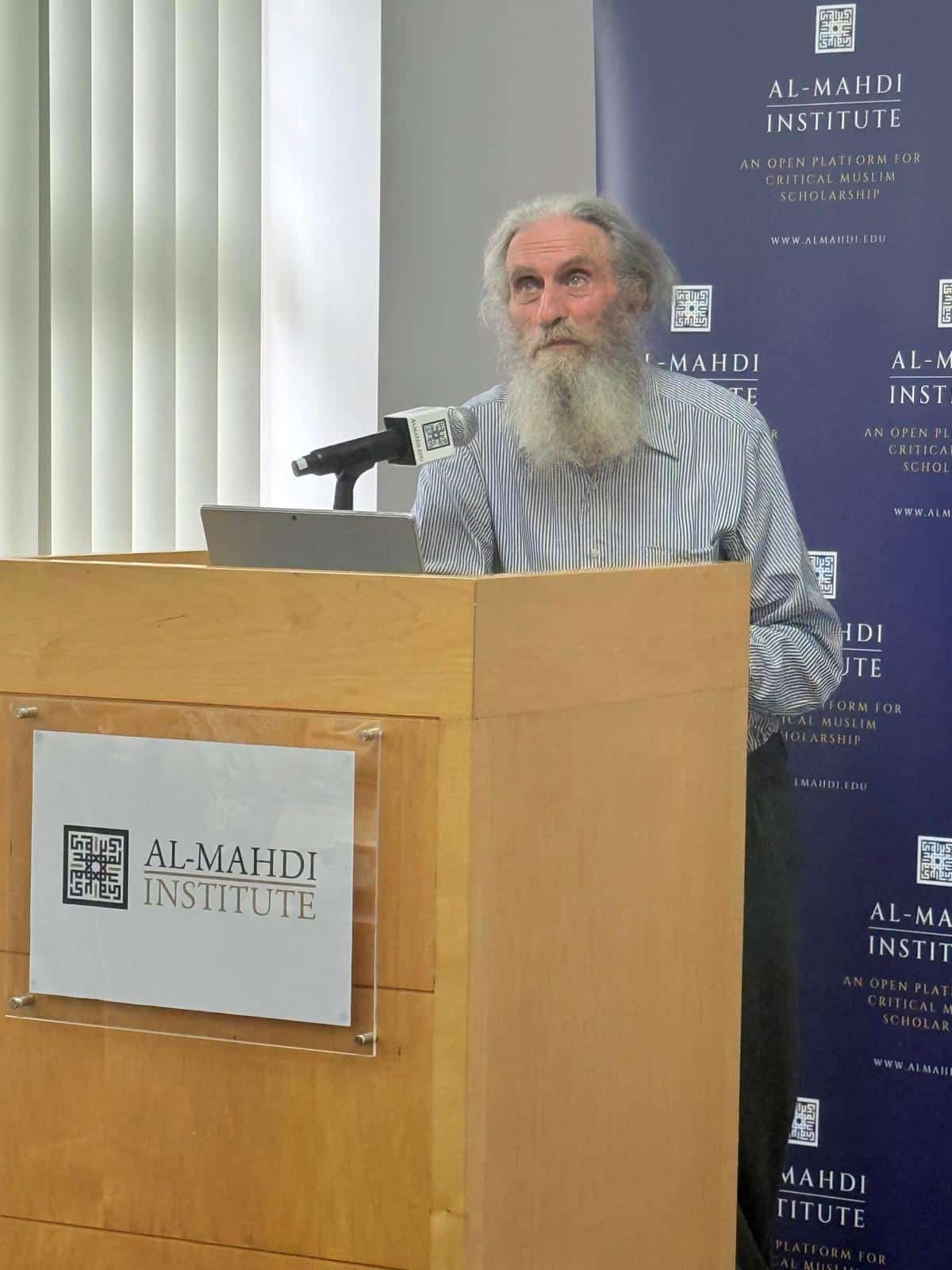
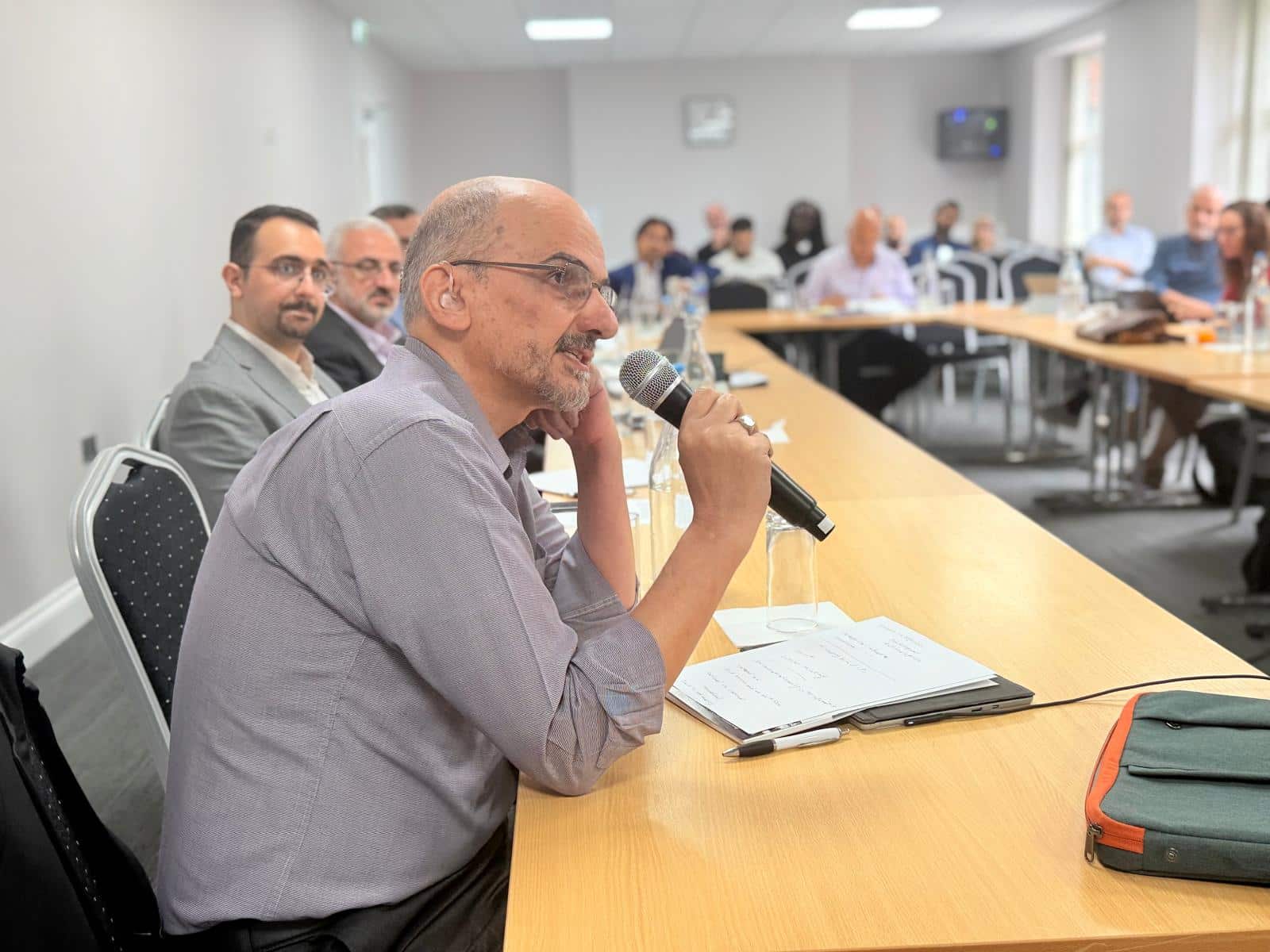
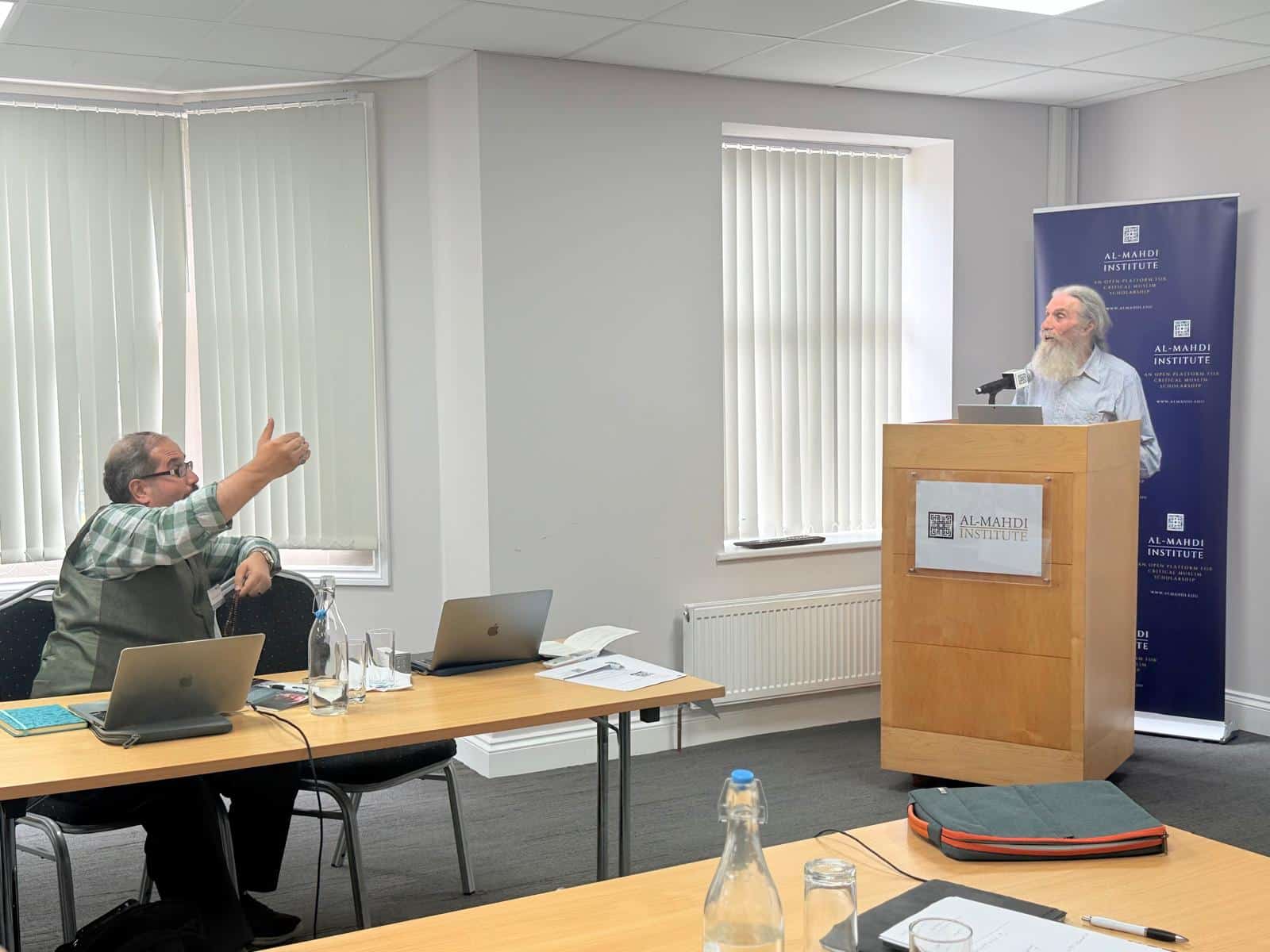
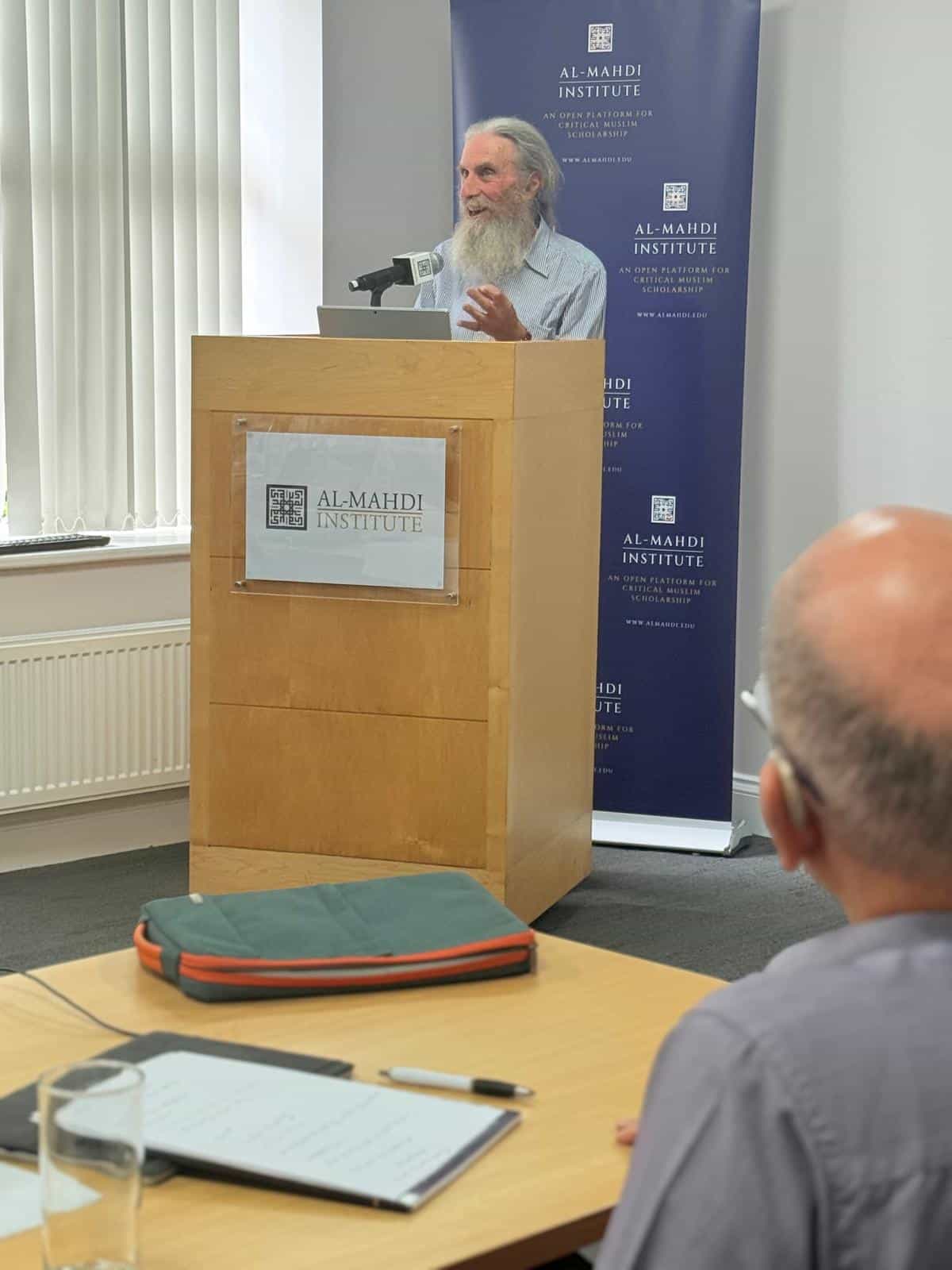
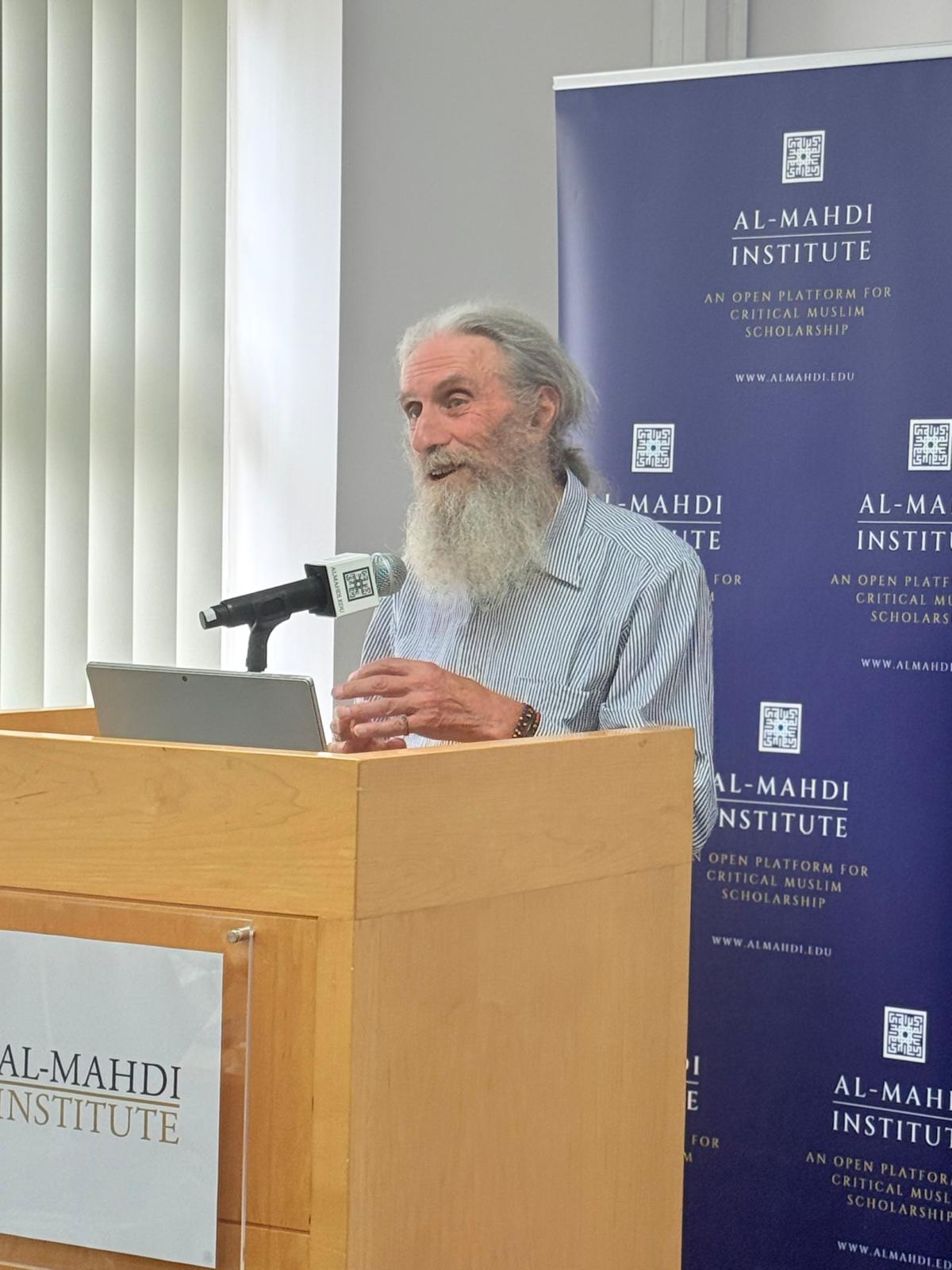
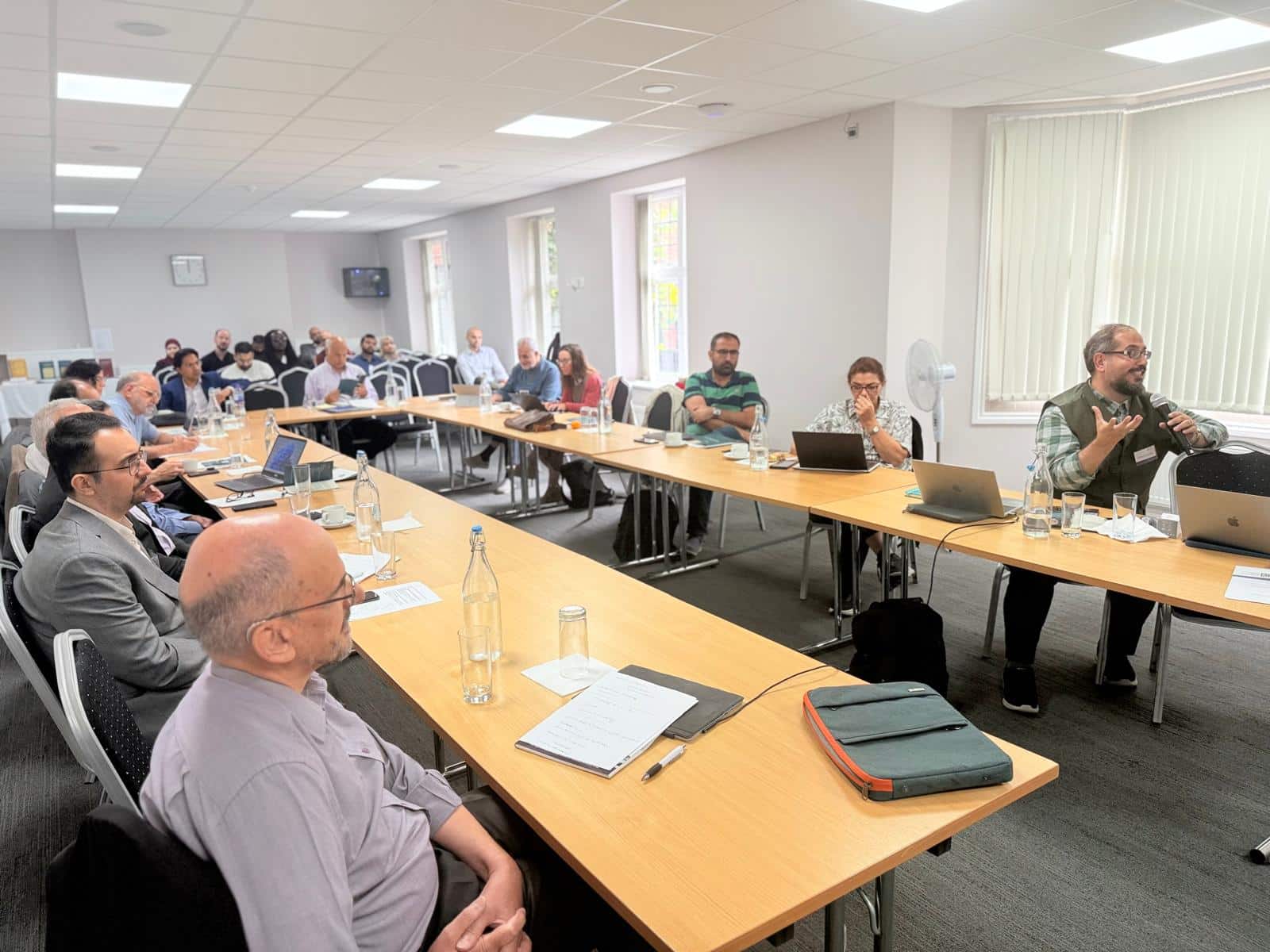
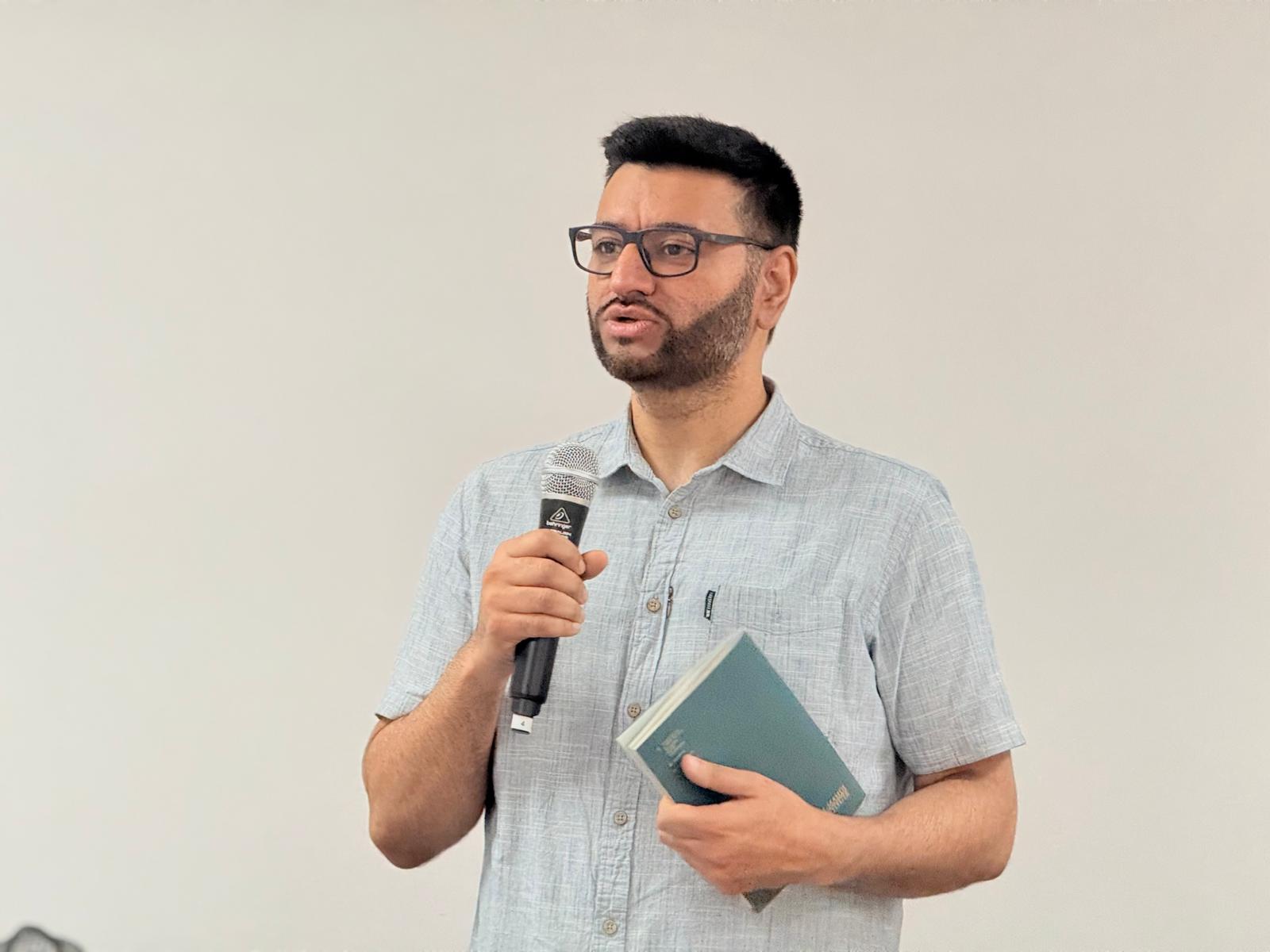
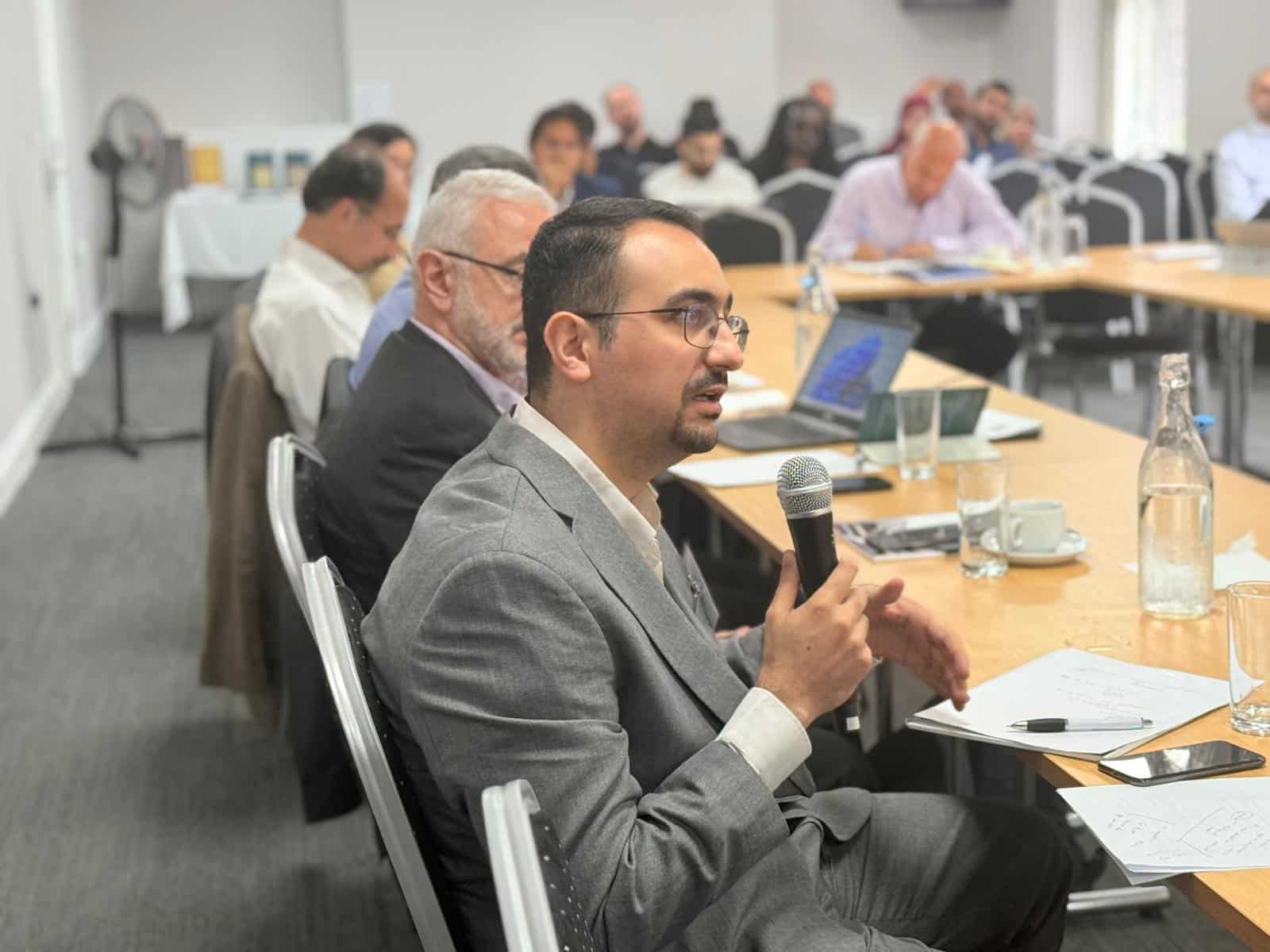
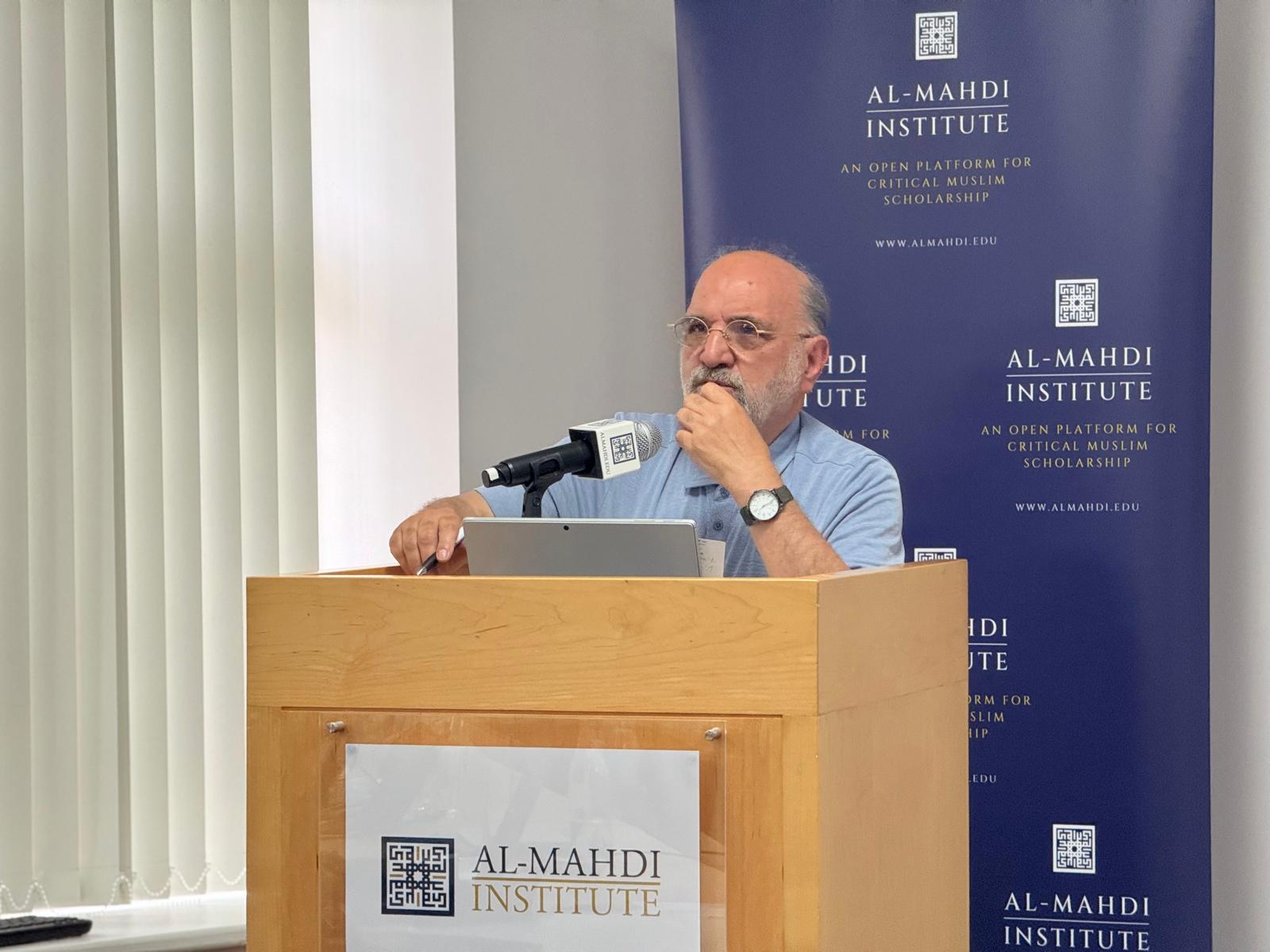
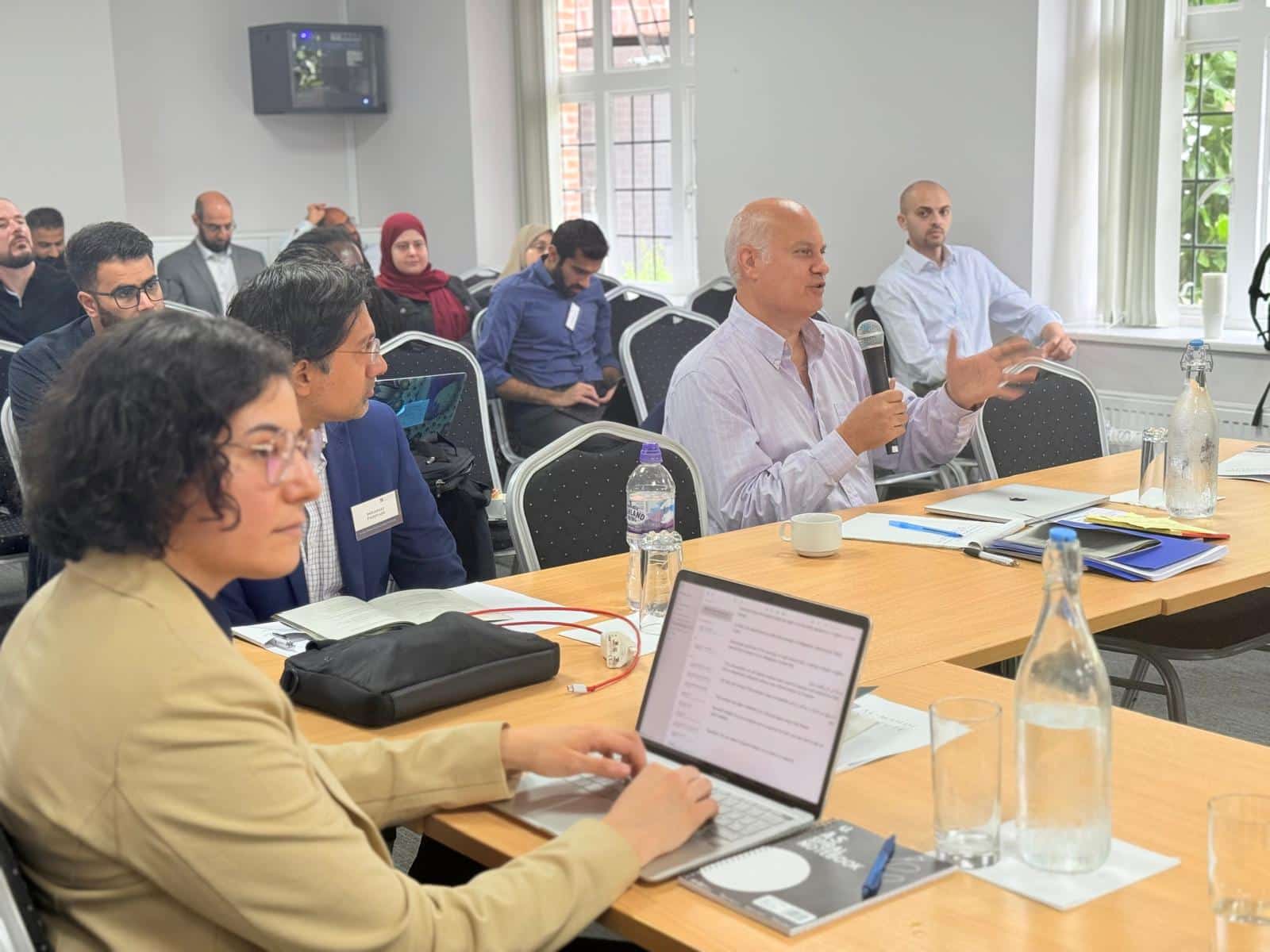
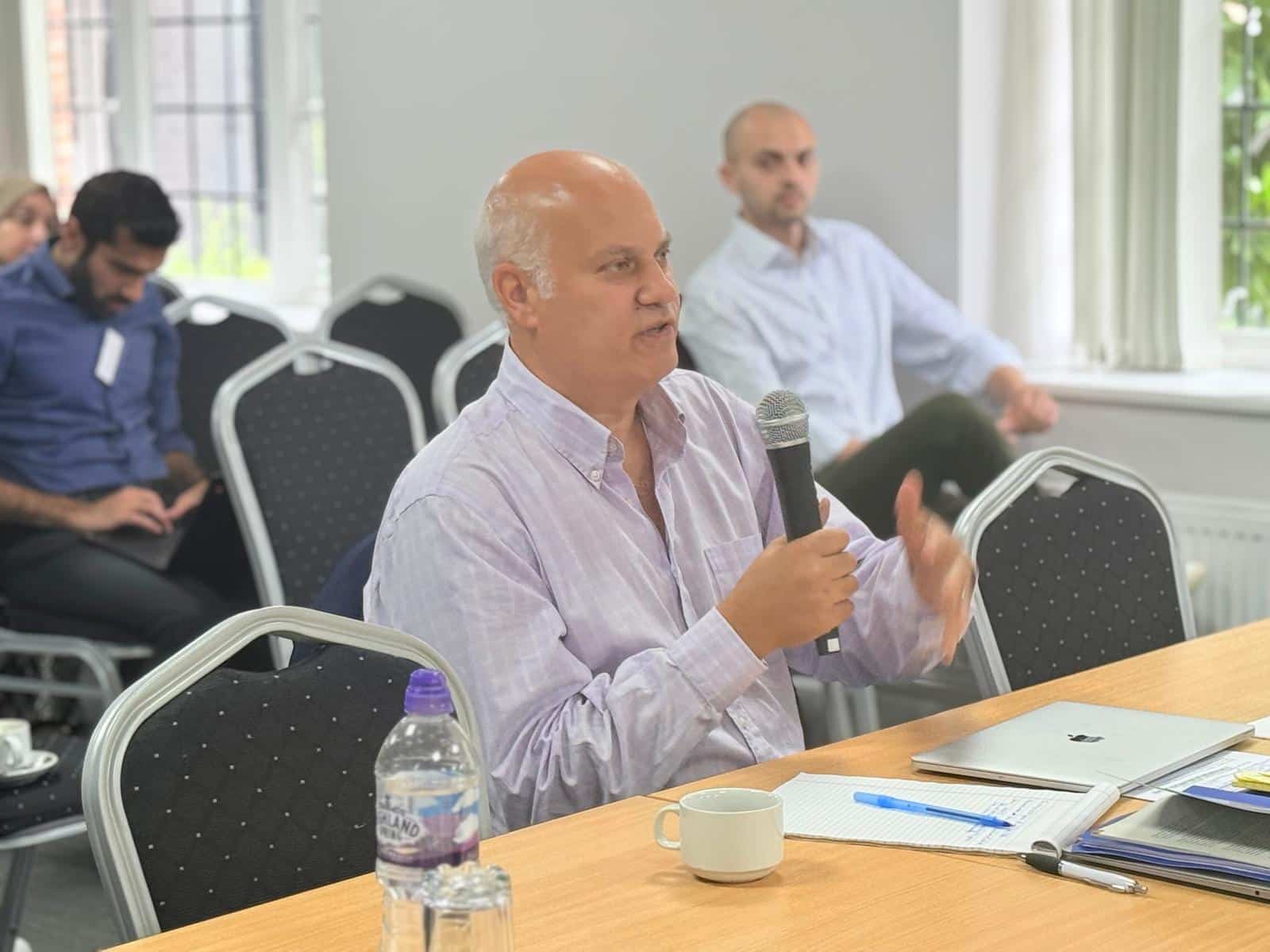
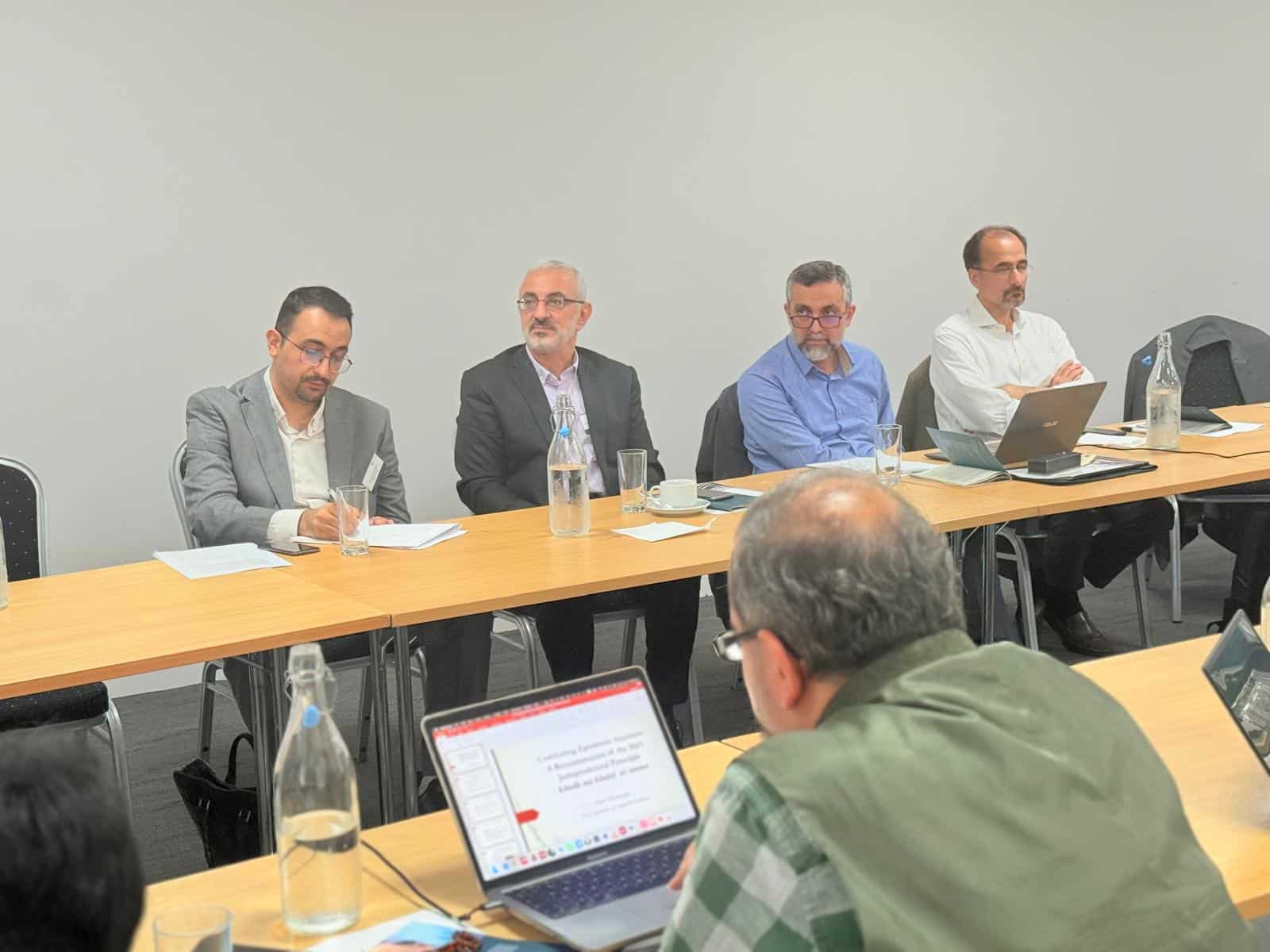
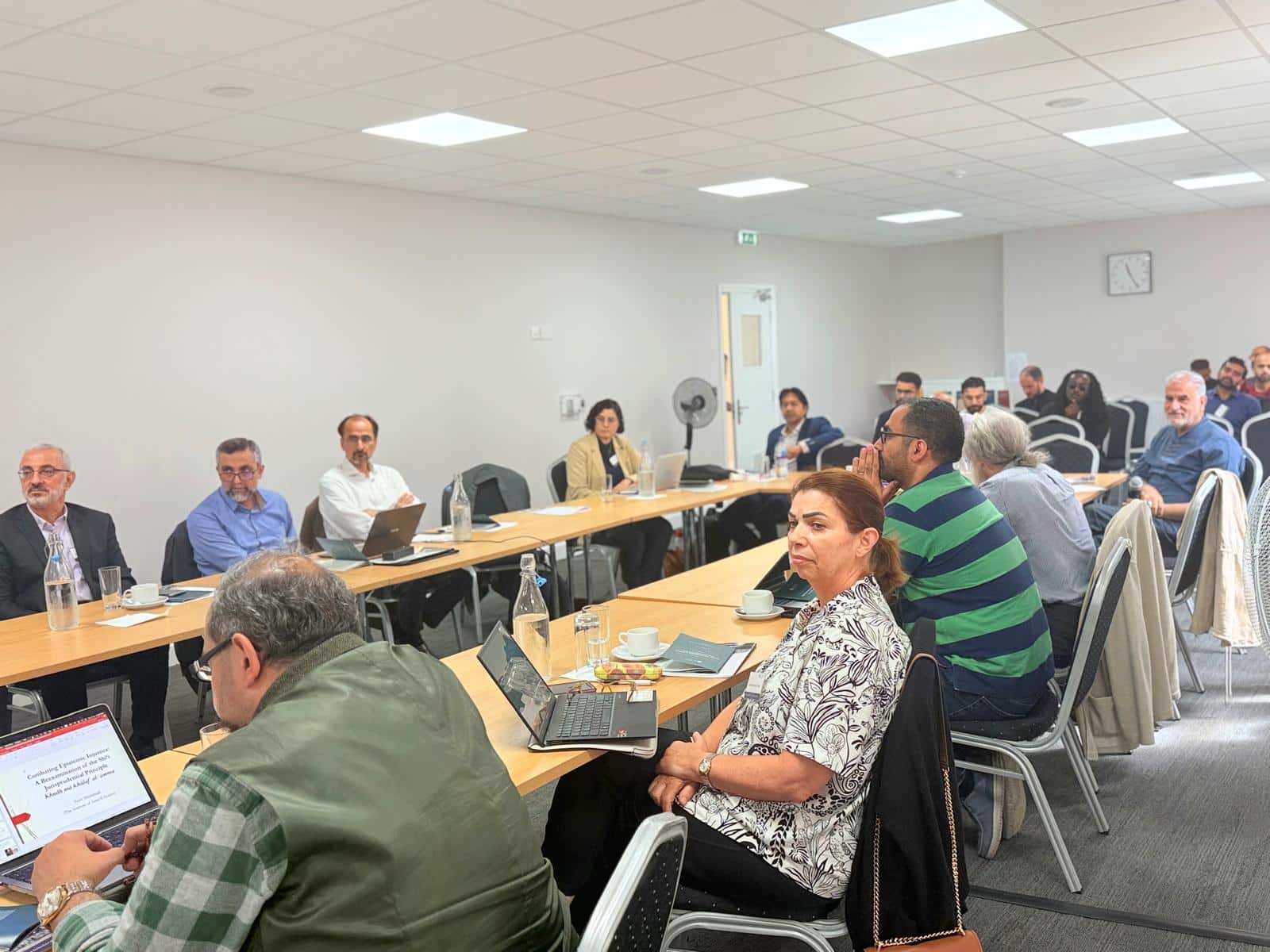
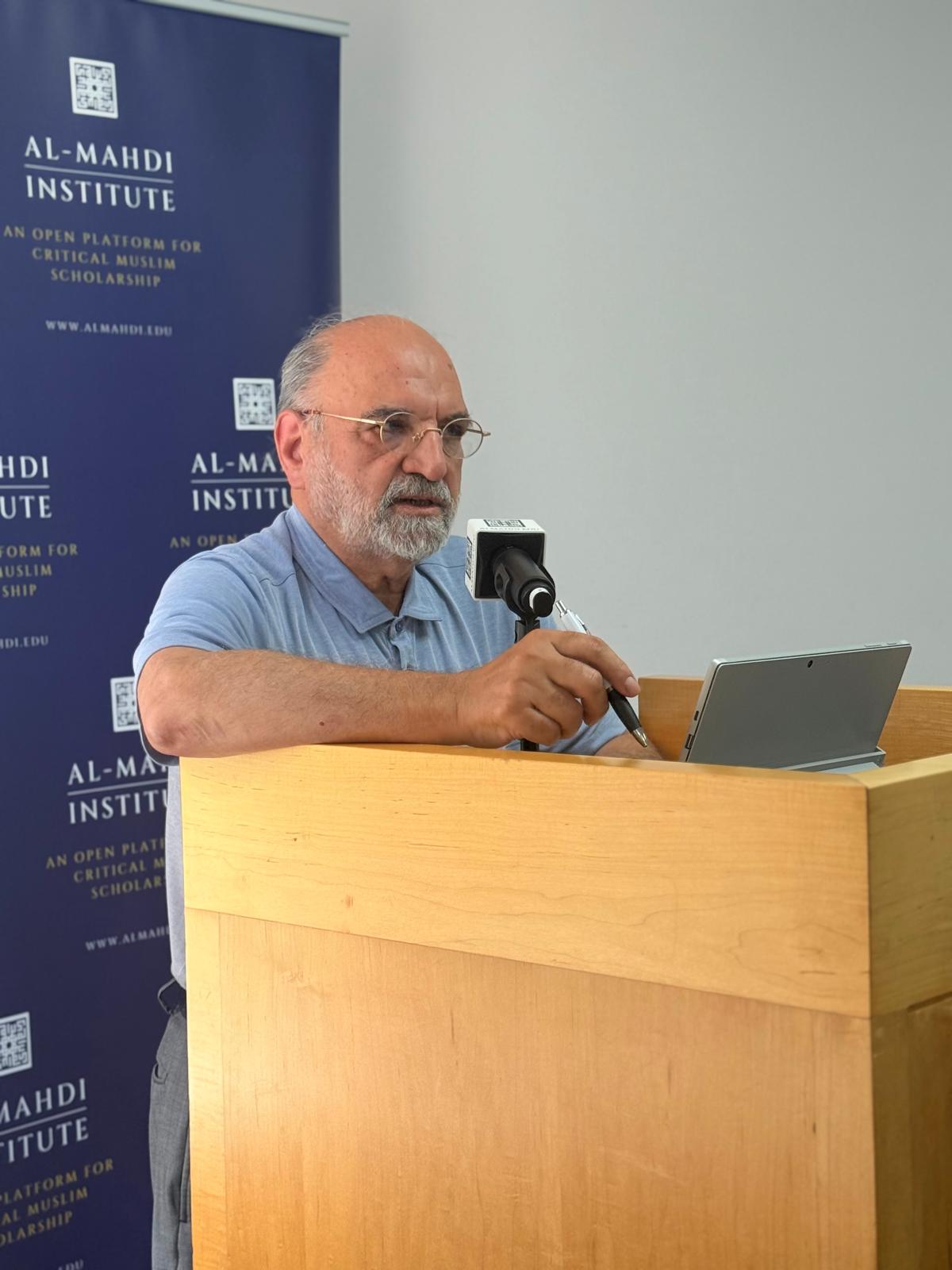
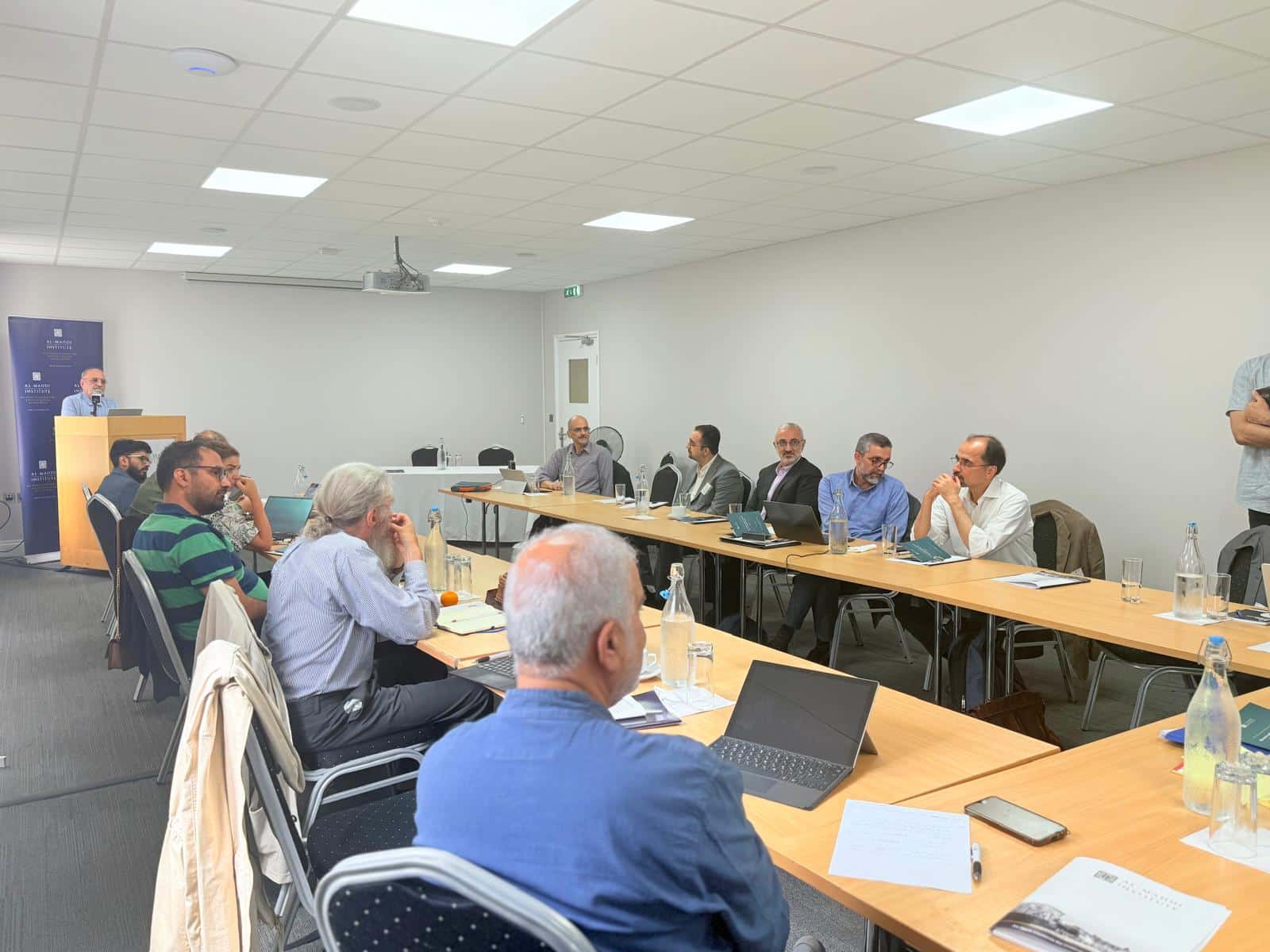
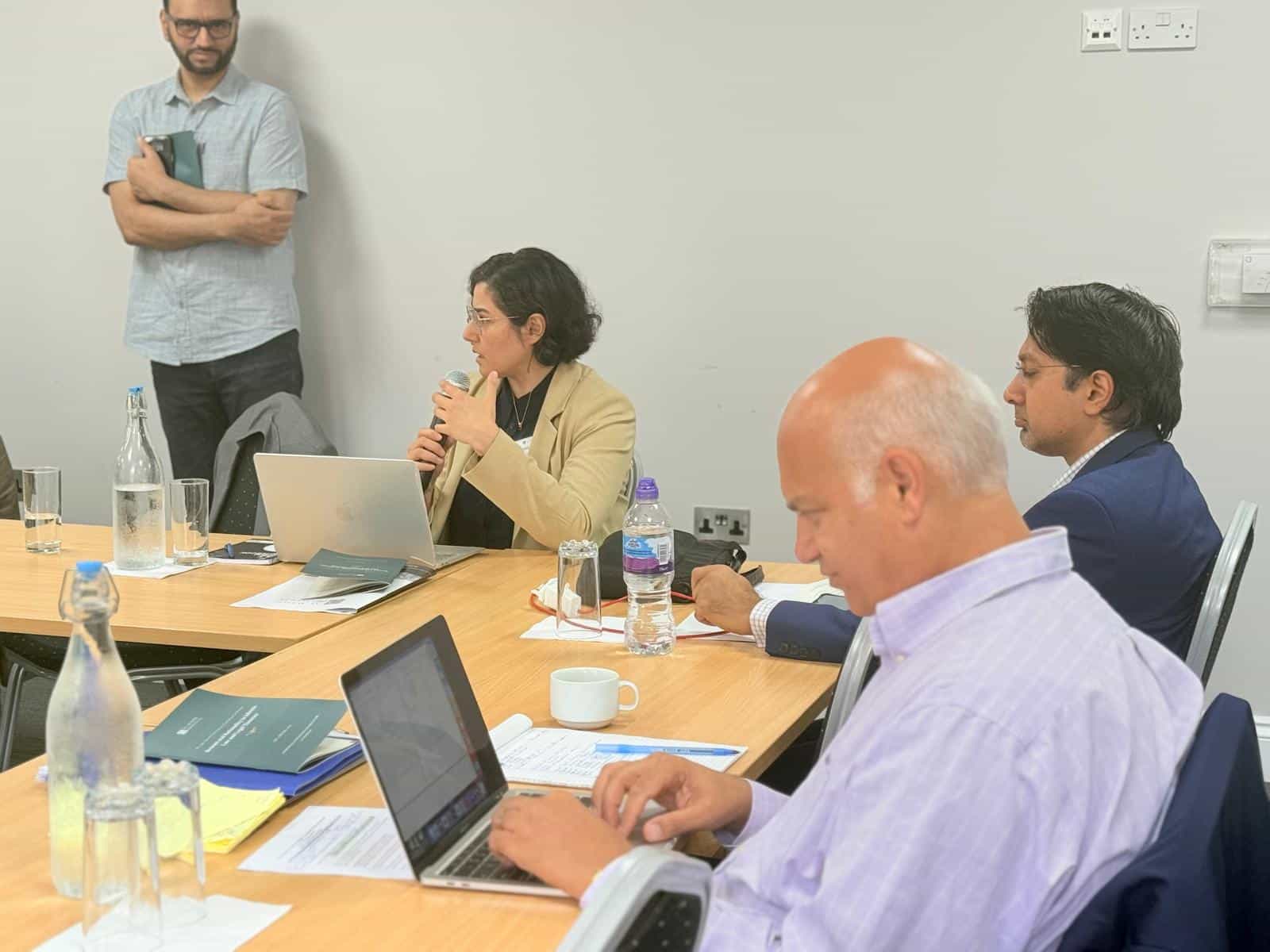
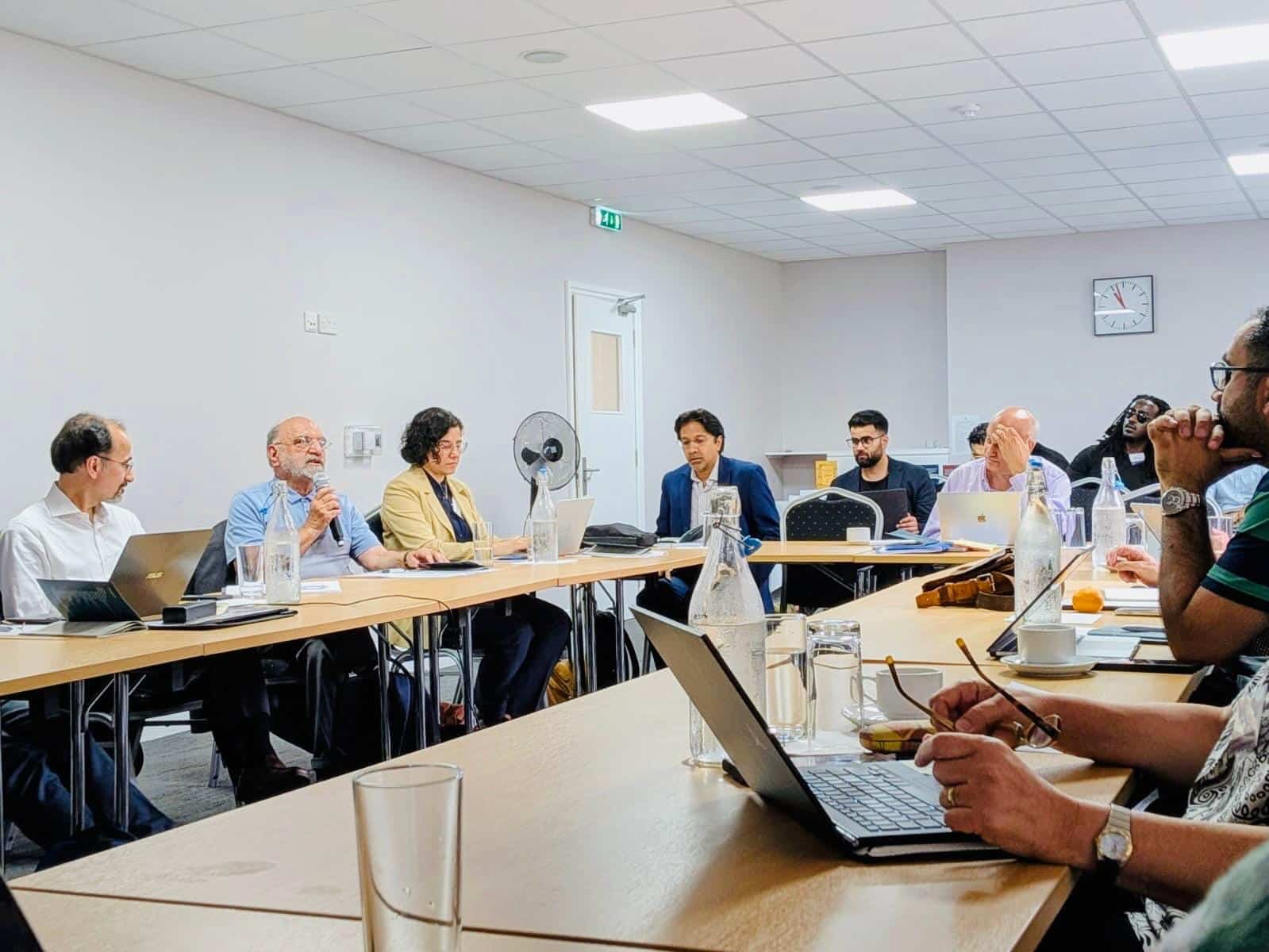
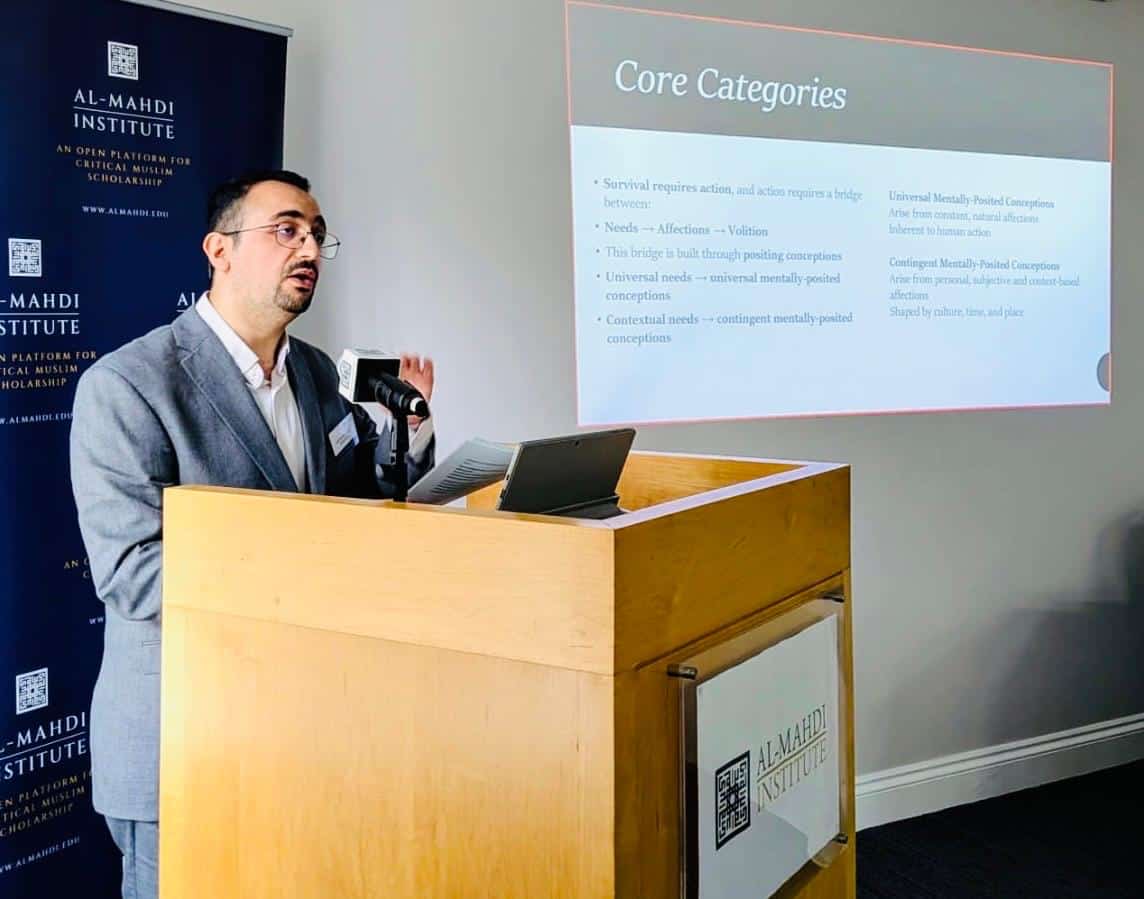
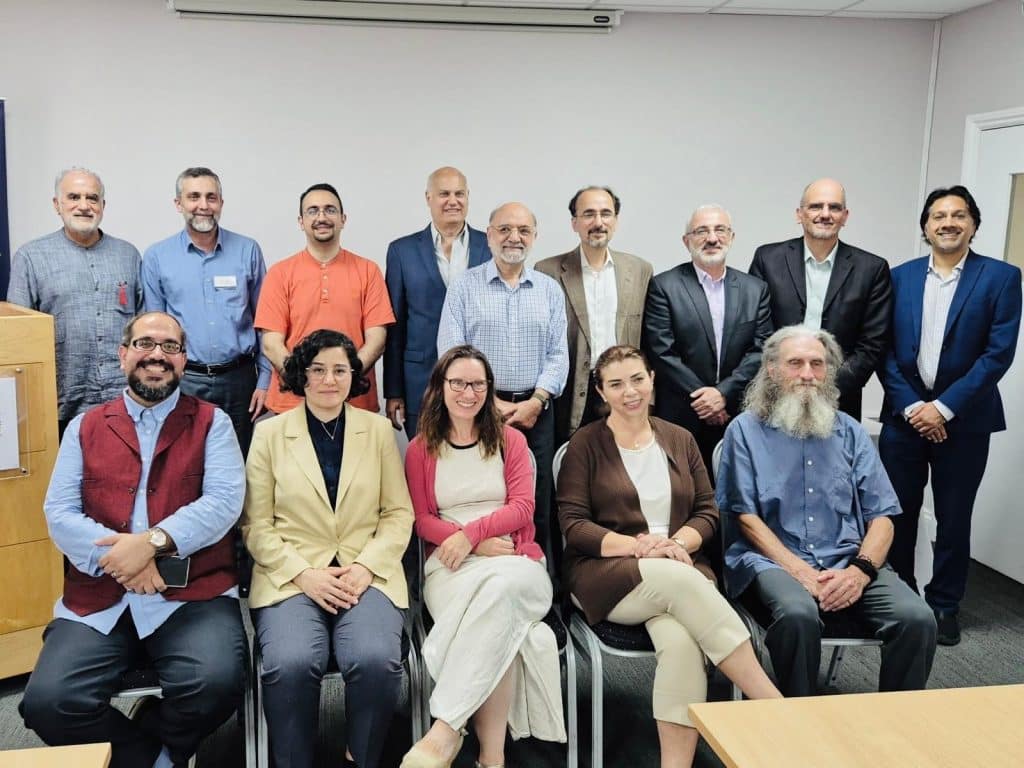
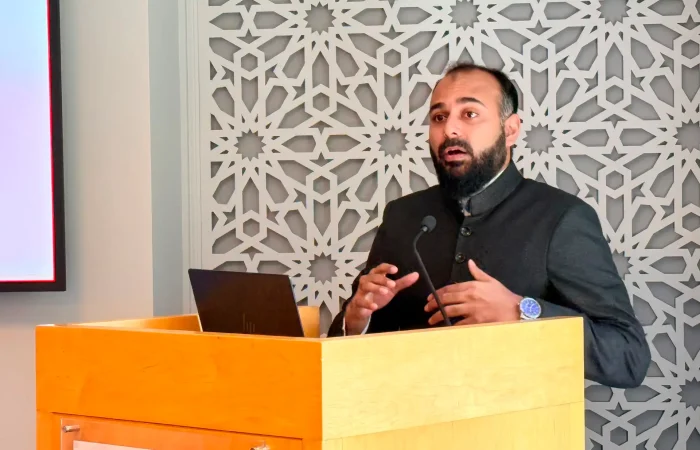
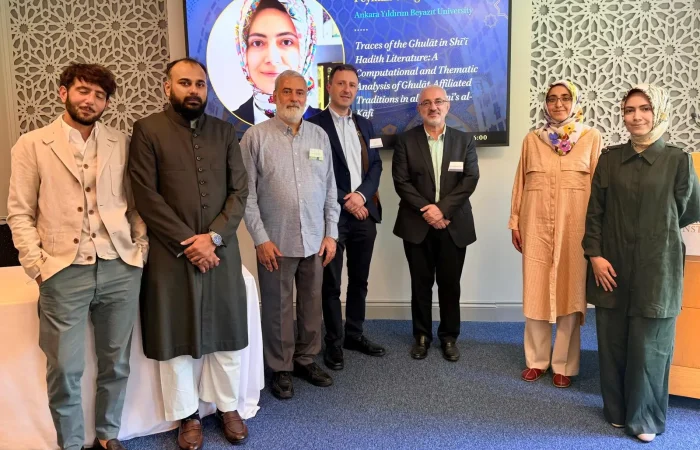
The 13th AMI Contemporary Fiqhi Issues Workshop gathered eminent scholars of Islamic law, theology, philosophy, and intellectual history to examine the role of ʿaql and rational inquiry within Islamic legal theory. Held over two days from July 17th to 18th, 2025, participants addressed the role of reason in jurisprudential methodology, theological commitments, and practical application, considering both its historical evolution and its contemporary significance. The discussions underscored the indispensability of rational engagement, while warning against its uncritical extension, and highlighted the need for innovation tempered by epistemic humility. A consensus emerged that the vitality of Islamic legal scholarship rests on its ability to remain principled yet responsive to modern exigencies. Particular attention was given to the ethical dimensions of rational inquiry, with speakers urging the incorporation of applied rational ethics into legal theory so as to connect normative frameworks with lived moral realities. The workshop concluded with a wide-ranging discussion that drew together themes from across the panels, stressing the importance of sustained cross-disciplinary dialogue and the continued refinement of Islamic normative thought.
Panel One: Constructing Knowledge- Between Rationality and Revelation
Chaired by Dr Wahid Amin (Al-Mahdi Institute), this session featured contributions from:
- Professor Seyed Mustafa Muhaqqiq Damad (Shahid Beheshti University) and Hossein Mousavi (Royal Holloway, University of London), presenting Ṭabāṭabāʿī’s Theory of Mentally Posited Conceptions
- Professor Abdulkarim Soroush, How Does the Science of Fiqh Evolve?
- Professor Oliver Leaman (University of Kentucky), Reason and Rationality: A Plea for Caution
Collectively, the panel highlighted the delicate balance between rational inquiry and the authority of revelation. The speakers argued that the vitality of fiqh depends on an open dialogue with broader intellectual traditions while warning against privileging rational autonomy at the expense of divine sovereignty.
Panel Two: Tracing Reason- A Historical Inquiry into Islamic Legal Rationality
Chaired by Dr Munzela Raza (Al-Mahdi Institute), this panel included:
- Professor Devin J. Stewart (Emory University), Reason as a Source of Law in Islamic Jurisprudence (10th–11th Century)
- Professor Seyed Mohammad Ghari S. Fatemi (Al-Mahdi Institute & Mofid University), The Ontological Nature of Reason in Uṣūlī Literature
These historical inquiries revisited classical debates on the epistemic status of reason, reflecting on its development, juridical function, and ontological limits.
Panel Three: Epistemic Authority and Metaphysical Reasoning in Shīʿī Legal Thought
Chaired by Dr. Mohammad Saleh Zarepour (University of Manchester), with contributions from:
- Dr Mahmoud Morvarid (Institute for Research in Fundamental Sciences, Tehran), The Ḥujjiyyah of Certainty in Late Shīʿī Uṣūl
- Shaykh Arif Abdulhussain (Al-Mahdi Institute), The Legacy of Ṣadrian Metaphysics
- Shaykh Mohammad Amin Hessami (Mofid University), The Relationship Between Religion and Reason in Naṣīr al-Dīn Ṭūsī’s Thought: Challenges to the Correlation Theory
The panel collectively advocated a fallibilistic stance—one that acknowledges human limitation, resists rigid conformity, and promotes critical self-awareness. Speakers emphasised the need for Islamic legal theories to remain adaptive to shifting contexts while preserving intellectual integrity and practical relevance.
Panel Four: Reason, Revelation, and Human Experience
Chaired by Dr. Muhammed R. Tajri (Al-Mahdi Institute), this panel featured:
- Dr. Karen Bauer (Institute of Ismaili Studies, London), Reason and Rationality in the Qur’an: Thinking and Feeling
- Professor Mohammad Rasekh (Institute of Ismaili Studies, London & Shahid Beheshti University), The Scripture and Reason: Real Interests and Harms Thesis
- Farzaneh Hosseini Hejazi (University of Paris II Panthéon-Assas), Conflicted “Rationalisms” in Iran’s Legal System
Their contributions demonstrated how emotional, political, and socio-legal factors complicate juridical rationality. The panel stressed the importance of adaptable jurisprudential frameworks that address real interests, harms, and competing rationalities in contemporary contexts.
Panel Five: Rationality and Social Context
Chaired by Dr. Karen Bauer, with contributions from:
- Professor Ali Fanaei (Al-Mahdi Institute & Mofid University), Jurisprudential Rationality vs. Conventional Rationality
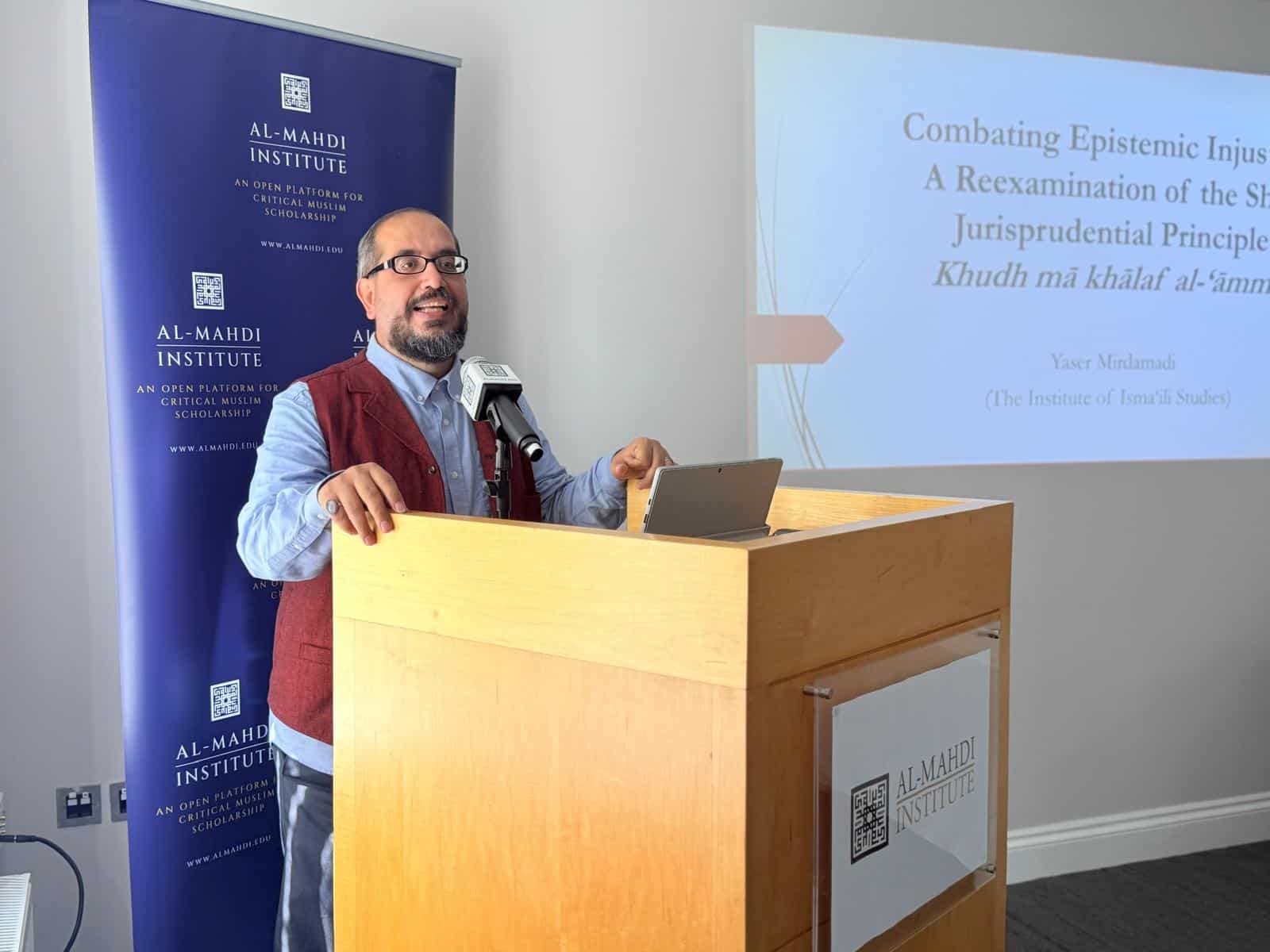
- Dr. Yaser Mirdamadi (Institute of Ismaili Studies, London), Combating Epistemic Injustice: Re-examining “Khudh mā khālaf al-ʿāmma”
This panel underscored the importance of situating rational inquiry within its social contexts. Discussions highlighted reason’s potential for methodological refinement and its role in advancing justice, particularly through combating epistemic injustice.
Panel Six: Applied Rational Ethics and Contemporary Challenges
Chaired by Dr. Zoheir Esmail (Al-Mahdi Institute), the panel included:
- Dr Haidar Hoballah and Shaykh Ali R. Khaki (Al-Mahdi Institute), Ṣadd al-Dharāʾiʿ: Causal Reasoning in Shīʿī Law
- Dr. Mariam al-Attar (American University of Sharjah), The Epistemological Framework of Ethico-Legal Judgments
- Dr. Imranali Panjwani (Anglia Ruskin University), A Lacuna in Shīʿī Legal Theory: Reason and Human Experience
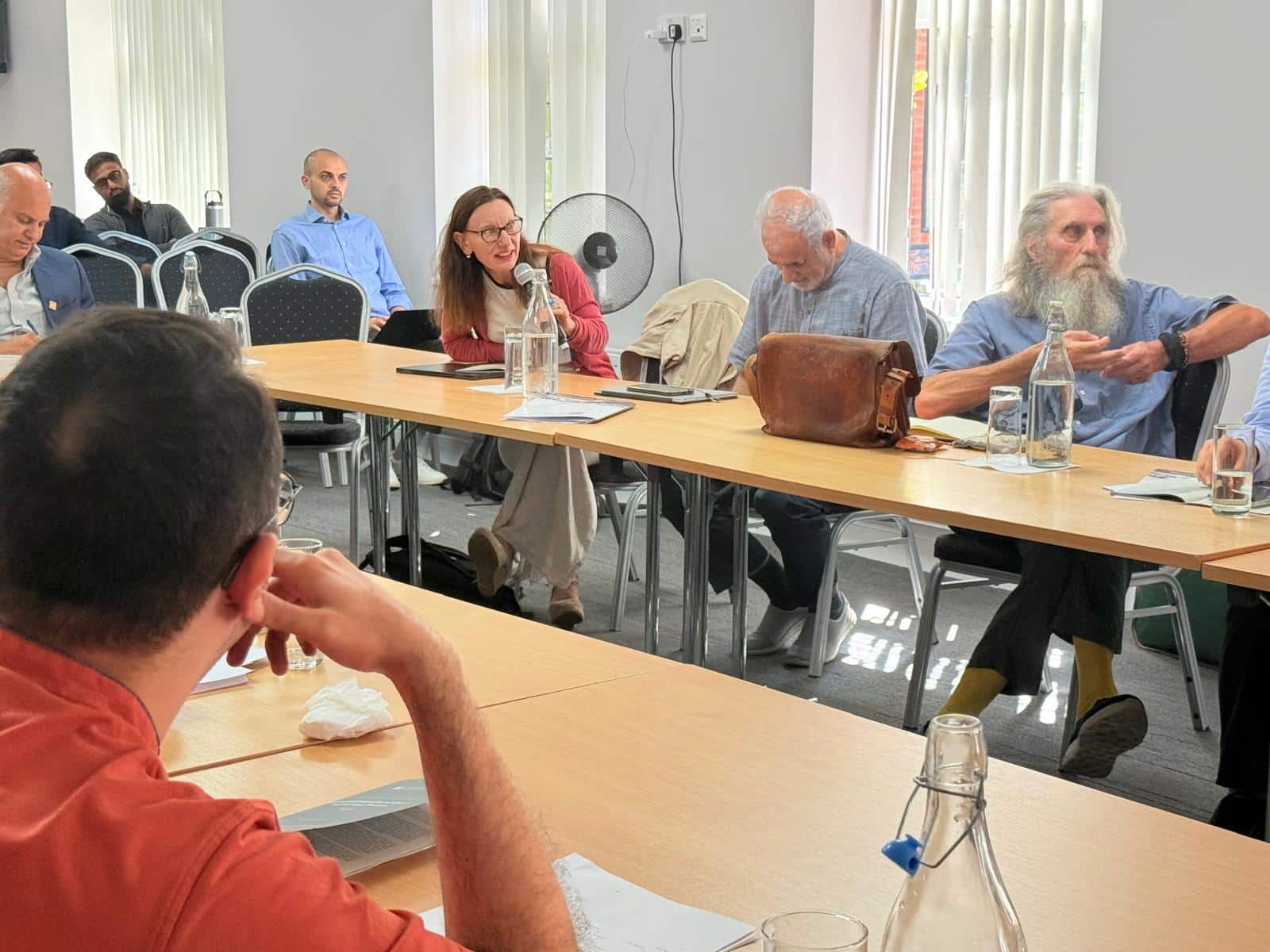
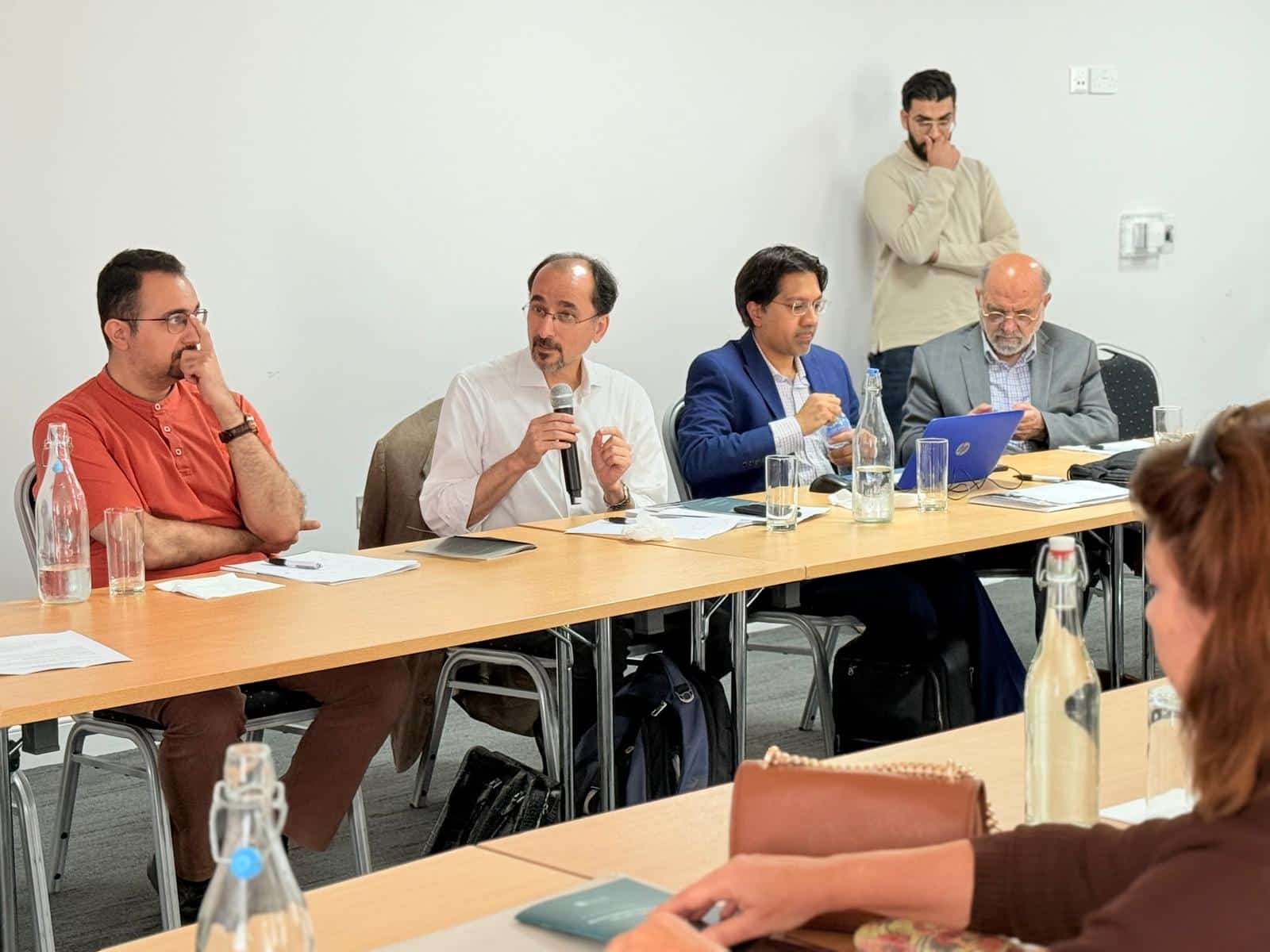
The workshop concluded with a dynamic open discussion that synthesised the key themes emerging across the panels and reaffirmed the necessity of sustained engagement with the role of reason in Islamic normative thought. Participants reflected on the methodological, theological, and practical insights raised, stressing the value of continued dialogue across disciplines and traditions. The session also outlined future directions for this field of inquiry, calling for expanded collaborative research and stronger institutional support to ensure that Islamic intellectual disciplines remain both intellectually rigorous and responsive to contemporary challenges.
Resources:
View Gallery: