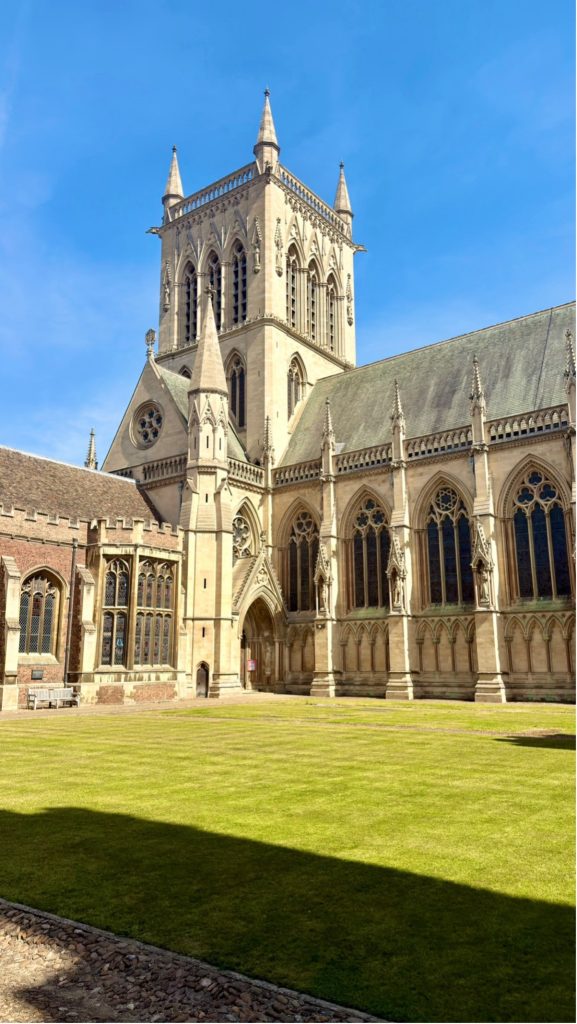
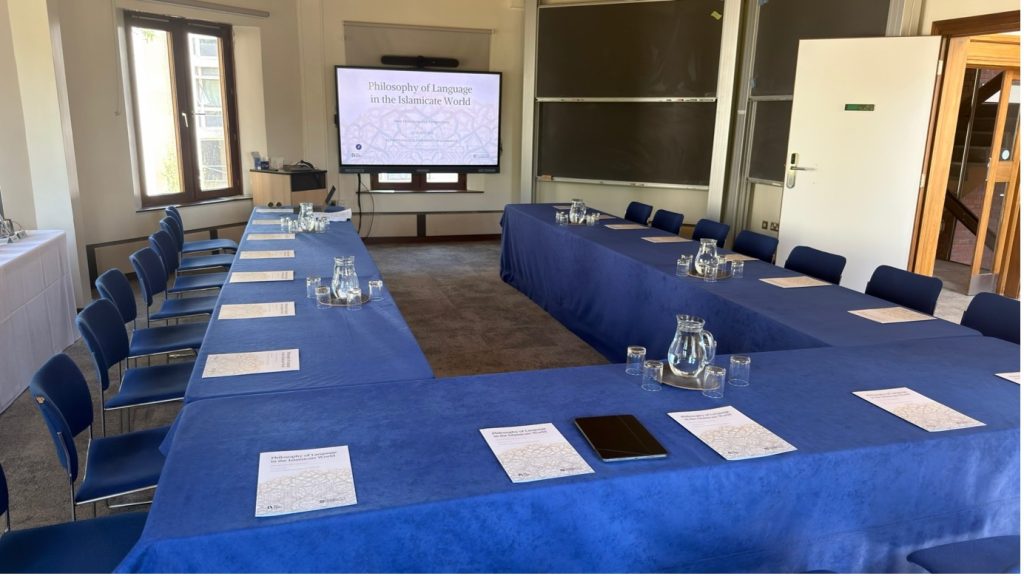
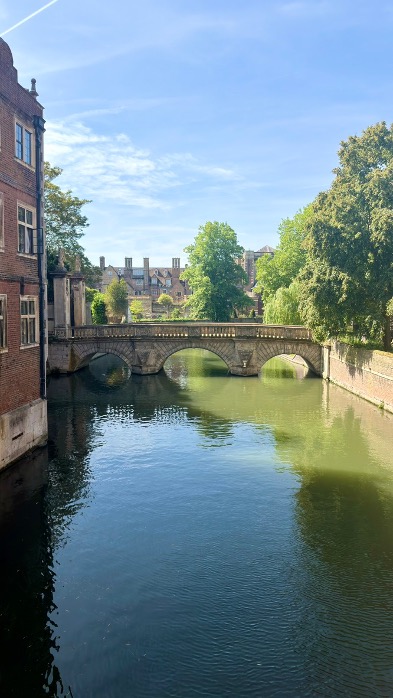
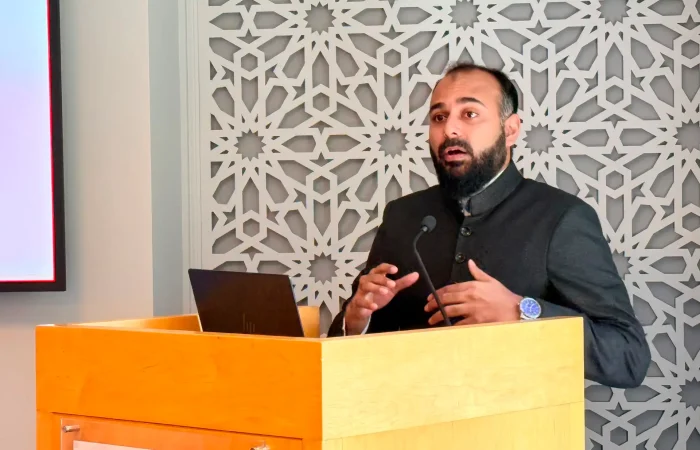
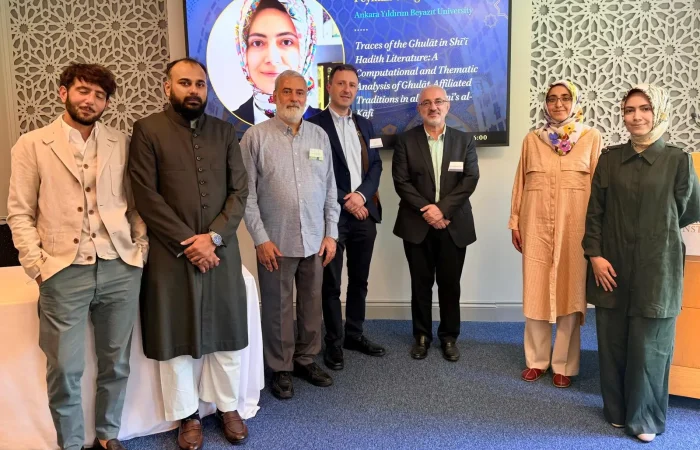
On 23 May 2026, Dr Wahid Amin presented a paper titled “Between What is Said and What is Meant: Apparent Meaning in Islamic Philosophy of Language” at the Philosophy of Language in the Islamicate World: New Directions and Perspectives conference, held at St John’s College, University of Cambridge. The conference, supported by the British Academy and the University of Cambridge, brought together leading scholars from across the world to explore the rich and underexamined tradition of philosophy of language in the Islamic intellectual heritage.
The paper examined the question of how the gap between what a speaker says and what they actually mean is to be bridged — and, crucially, when a hearer is entitled to rely on a given interpretation. Drawing on the Shīʿī legal tradition, Dr Amin argued that scholars such as Muḥammad Bāqir al-Ṣadr and Muḥammad Riḍā al-Muẓaffar developed a sophisticated philosophical account of linguistic meaning and epistemic warrant that deserves to be read alongside canonical figures in Western philosophy of language such as Wittgenstein and Grice. Central to the paper was the concept of ḥujjiyyat al-ẓāhir — the epistemic warrant of apparent meaning — and its grounding in bināʾ al-ʿuqalāʾ, the foundational communicative practice of rational agents. The paper also offered a close comparison of three major positions in the Uṣūlī tradition on the conditions under which apparent meaning carries probative force, with particular attention to the distinction between personal and authoritative interpretive contexts.
The conference, which spanned three days (22–24 May 2026), featured scholars presenting on a broad range of themes, from the classical Arabic tradition to medieval Islamic logic and post-classical legal hermeneutics, reflecting the depth and diversity of Islamic contributions to the study of language and meaning. The papers from the conference are due to be published as part of a special journal issue in 2027. We look forward to sharing further details of Dr Amin’s contribution to that volume in due course.