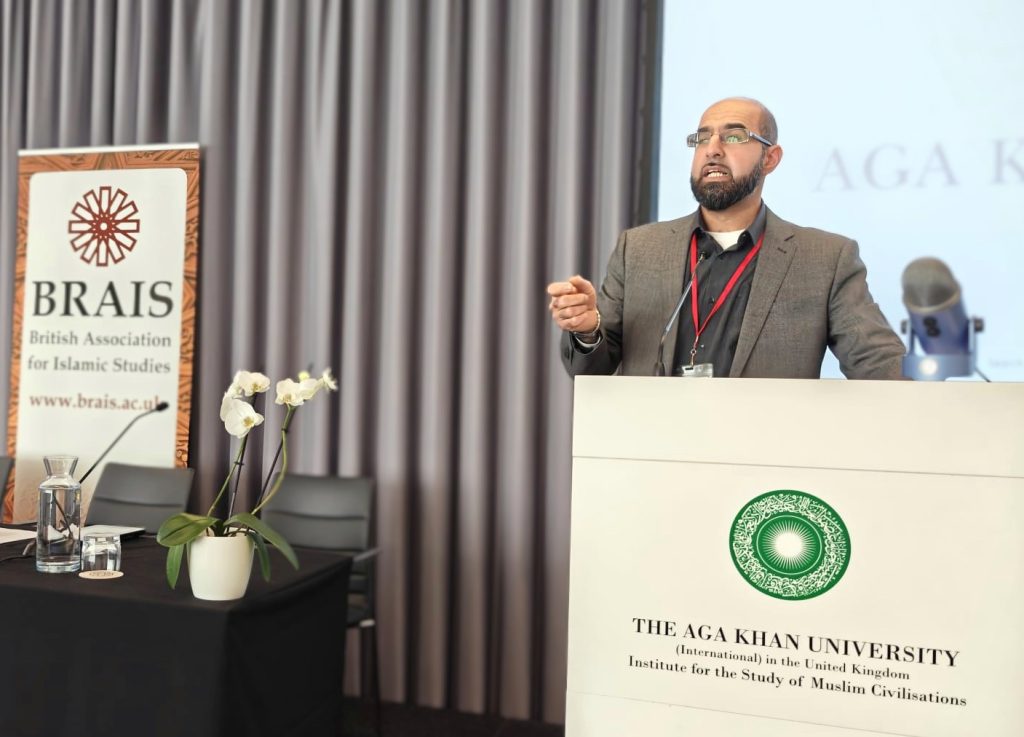
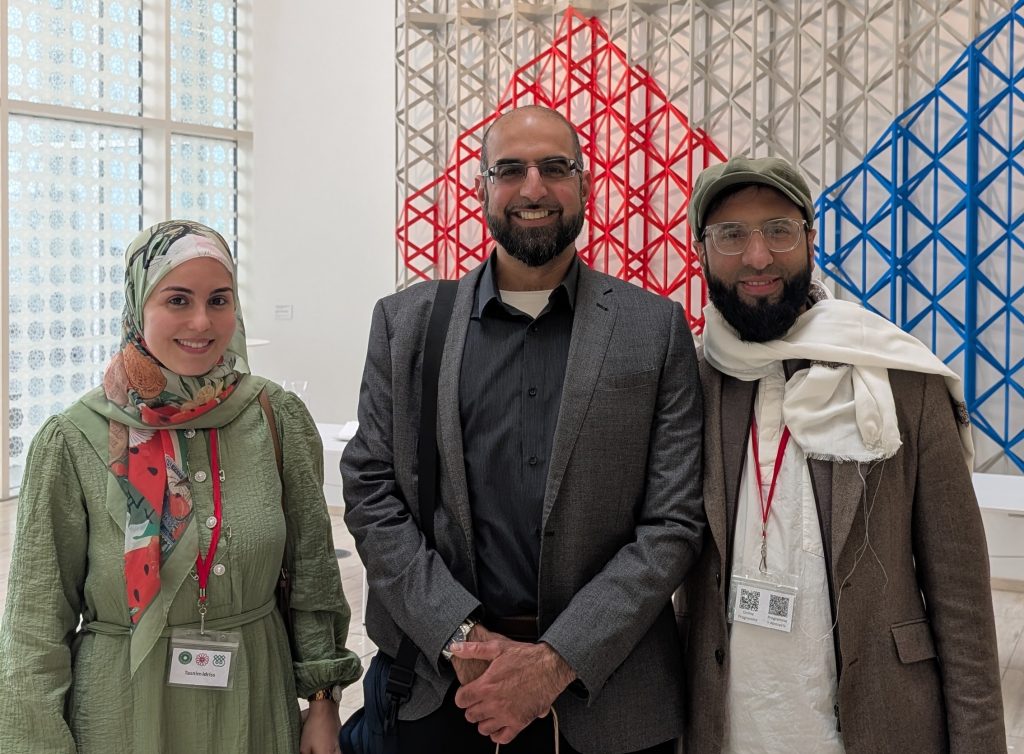
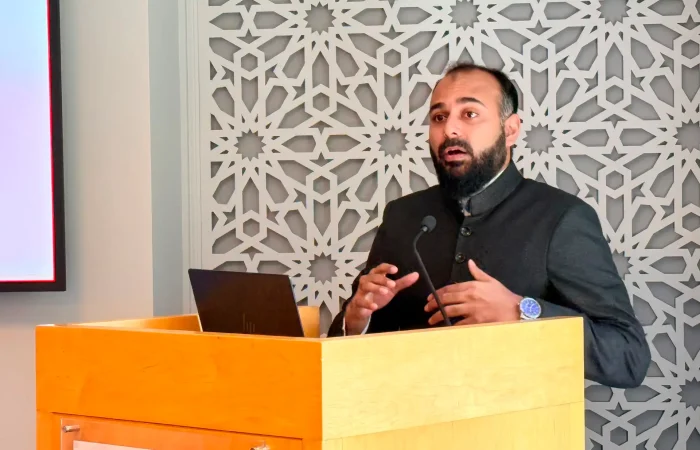
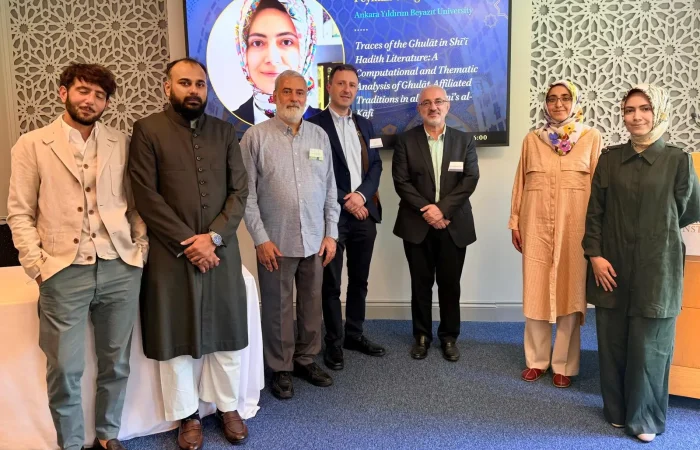
Dr Muhammed Reza Tajri, Research Lead for the study of Muslims, Societies and Cultures at the Al-Mahdi Institute (AMI), recently presented his research at the annual conference of the British Association for Islamic Studies (BRAIS), held on 18–19 May 2026 at the Aga Khan University’s Institute for the Study of Muslim Civilisations (AKU-ISMC) in London.
This year’s BRAIS conference brought together scholars from across the UK, Europe, North America, and the wider Muslim world to discuss emerging research in Islamic studies and the study of Muslim societies. Dr Tajri was the sole representative from AMI on this occasion, contributing to a panel titled “British Muslim Experiences of Inclusion, Exclusion, and Solidarity.” The panel was chaired by Dr Haroon Sidat (Cardiff University) and also featured presentations from Dr Tasnim Idriss (Vrije University Amsterdam), Dr Iman Dawood (London School of Economics), and Dr Muhammad Abbasi (Royal Holloway, University of London).
Dr Tajri’s presentation, titled “The Practitioners’ Predicament – Challenges in Caring for Clients on the Shia-LGB Nexus,” explored findings from his ongoing qualitative sociological research examining the experiences of Twelver Shīʿa Muslim care providers when responding to issues relating to same-sex attraction and LGB identities within Muslim community settings. Drawing on interviews with imams, chaplains, psychiatrists, pastoral mentors, and other Muslim practitioners, the paper examined how questions of mental health, safeguarding, religious ethics, and pastoral care intersect in contemporary Shīʿa Muslim diasporic contexts.
The presentation highlighted the ethical and structural challenges faced by many practitioners, including limited formal mental-health training, absence of safeguarding infrastructures, and tensions between doctrinal expectations and client-centred models of care. Dr Tajri argued that such pastoral encounters reveal wider deficiencies in Muslim community mental-health provision, while also demonstrating the urgent need for interdisciplinary collaboration between Islamic scholars and mental-health professionals.
The panel generated significant discussion among attendees, particularly regarding the growing need for sociologically informed research on Muslim pastoral care, mental health, and sexuality within minority Muslim contexts in Europe.