How do political stories shape our sense of justice, belonging, and authority? What role do narratives play in sustaining or contesting power in the modern world? Can stories themselves become instruments of both emancipation and oppression?
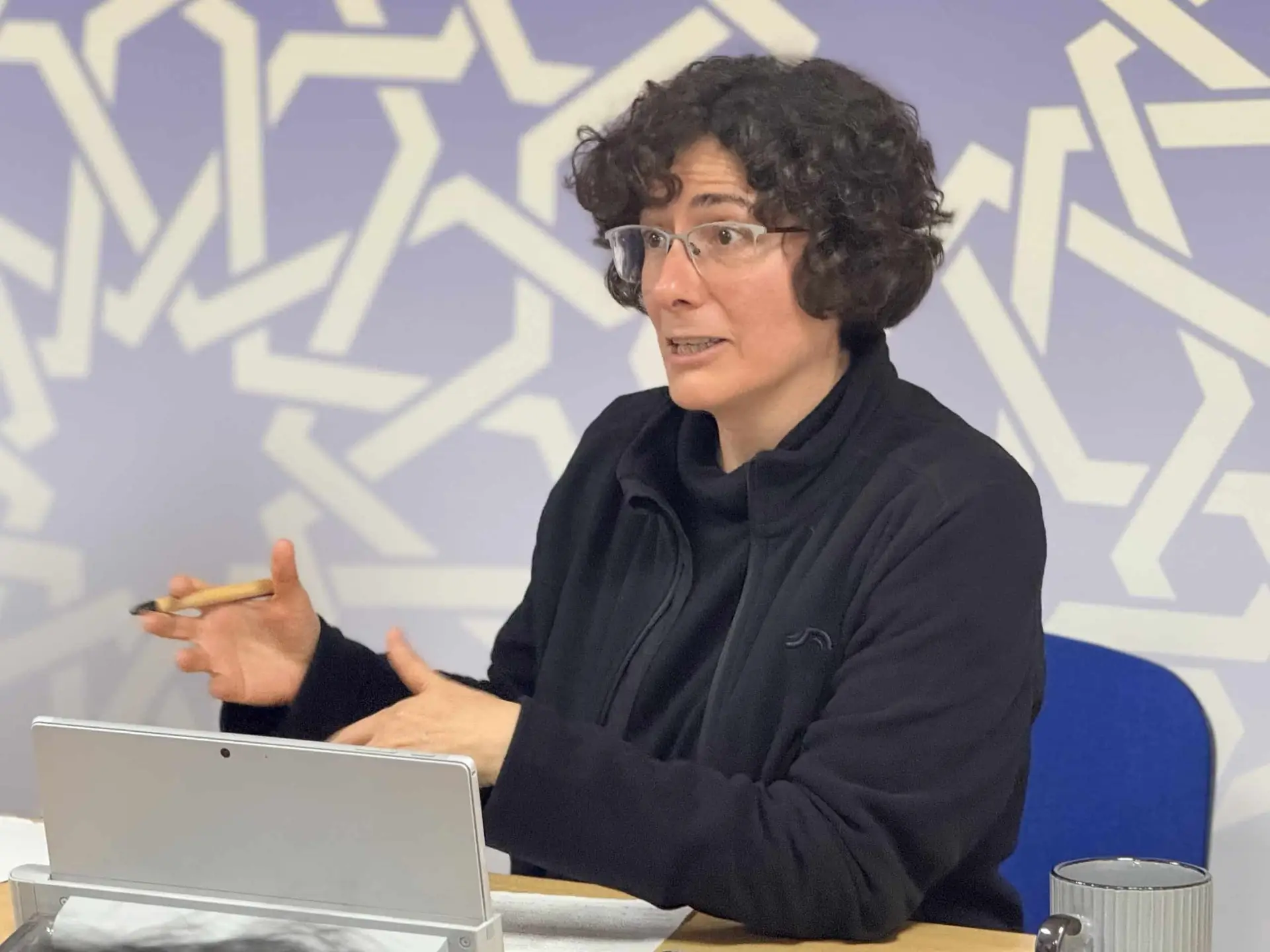
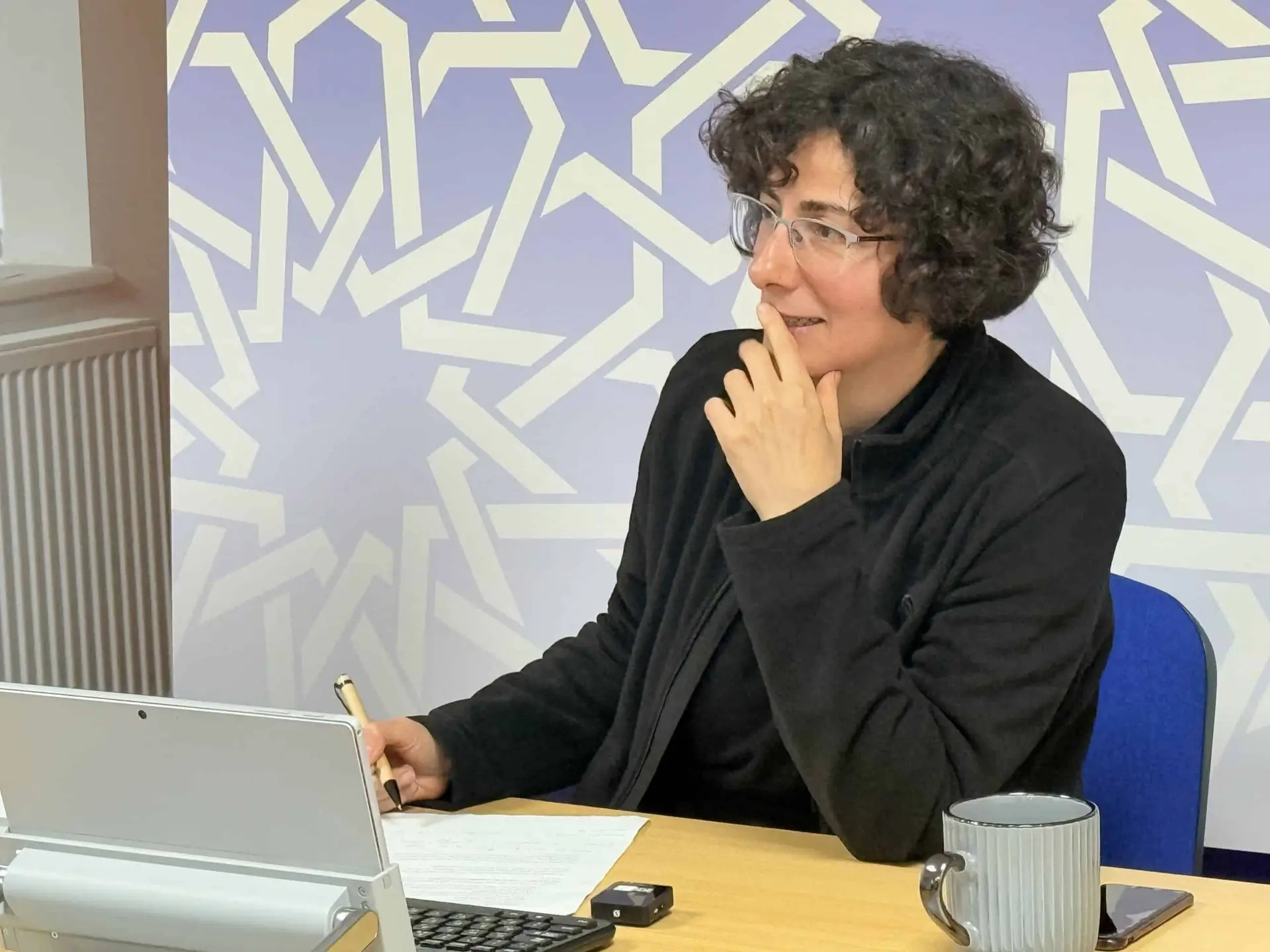
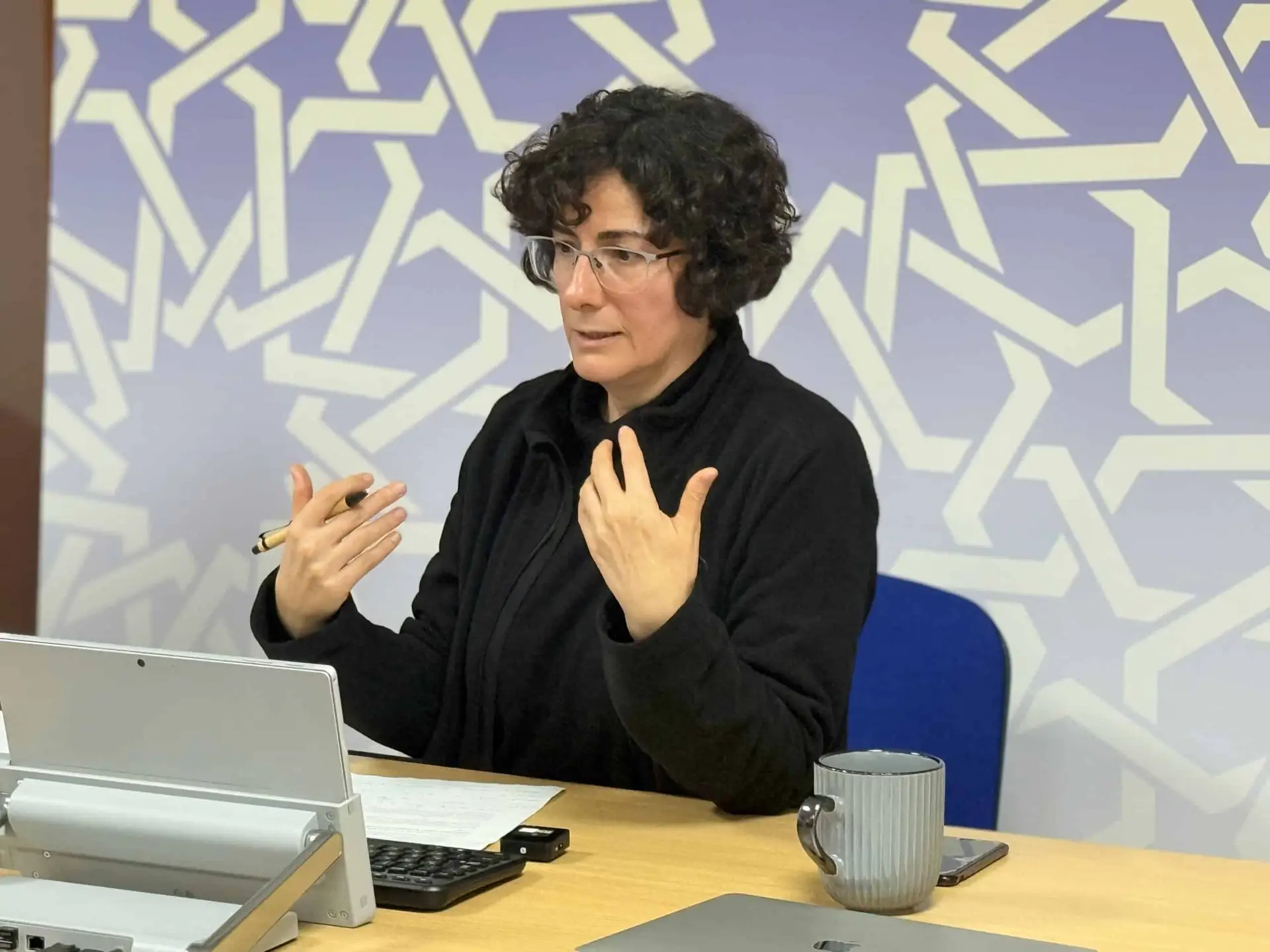
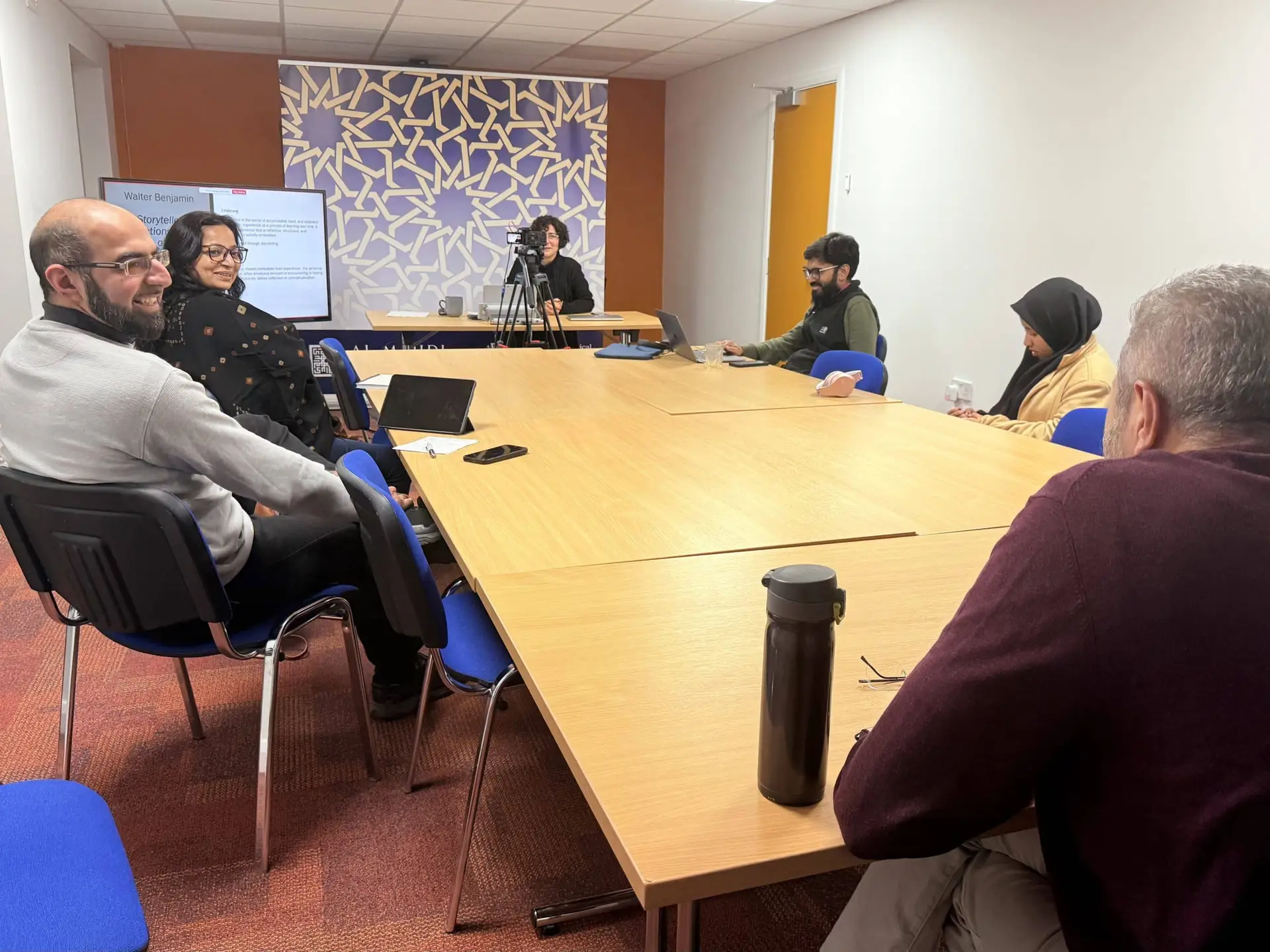
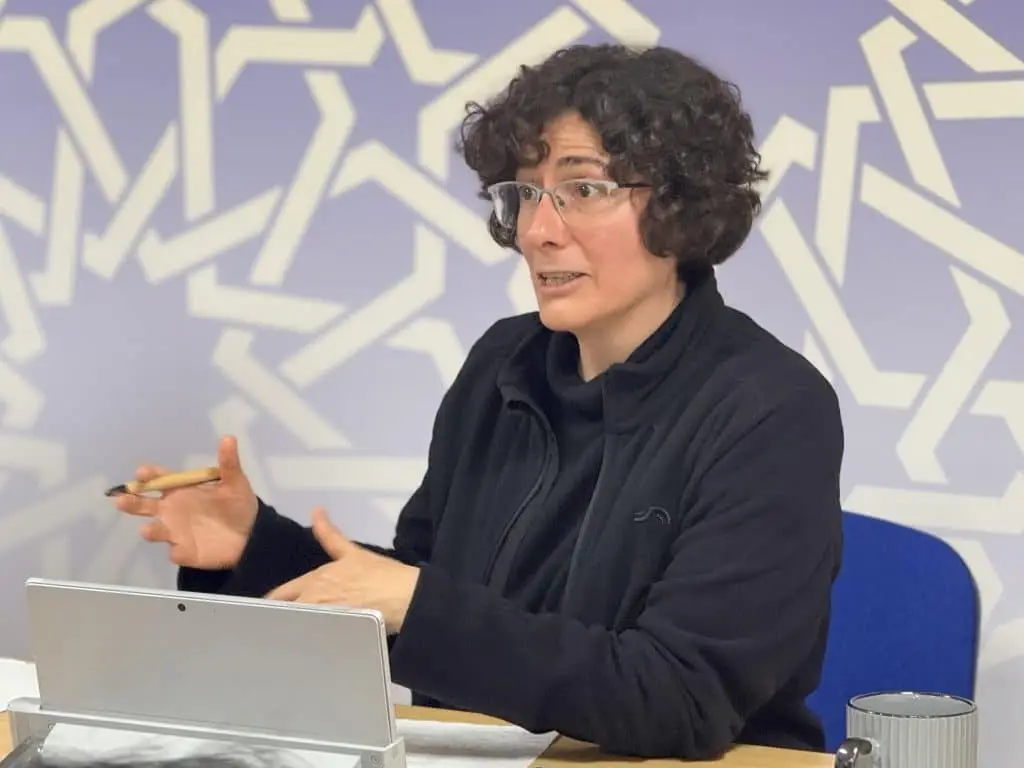
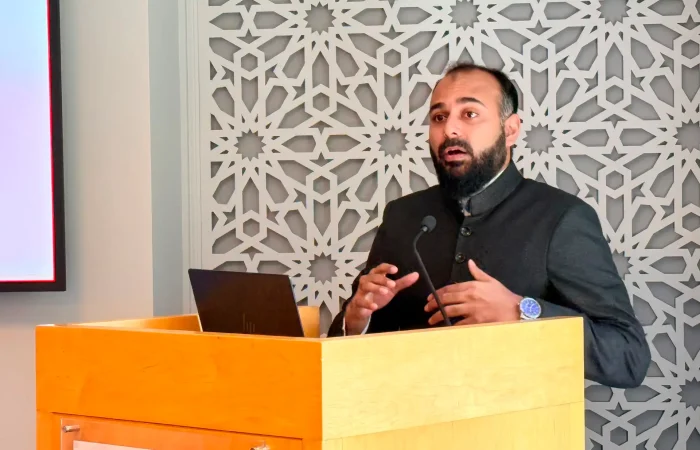
On Wednesday, 12th November 2025, the Muslims, Societies & Cultures research area at Al-Mahdi Institute hosted a seminar led by Dr Fatemeh Sadeghi (University College London – Institute for Global Prosperity). Her presentation examined how storytelling operates as a central mode through which political legitimacy is constructed, challenged, and re-imagined.
Narrative, Power, and Legitimacy
Dr Sadeghi argued that political narratives are not merely reflections of power but constitutive of it. They are stories through which societies define who they are, what they value, and who has the right to rule. Drawing on examples from the Muslim world, she explored how movements such as Islamism have used narrative to re-frame political legitimacy around moral and theological ideals of justice, purity, and unity.
Yet, as her analysis showed, these same narratives can reproduce exclusionary or authoritarian tendencies when they are translated into state power. In this sense, storytelling is both a means of liberation and a potential vehicle for control.
Comparative Narratives: From Islamism to the Far Right
Expanding her focus beyond Muslim contexts, Dr Sadeghi compared the narrative logics of Islamism, nationalism, and contemporary far-right populism, identifying striking structural similarities. Each draws on:
- Binary oppositions (believer vs corrupt, nation vs outsider, us vs them);
- Nostalgia for a golden age — the dream of restoration and purity;
- Promises of justice and salvation, often couched in moral or civilisational terms.
These stories transform memory into mobilisation, turning collective loss into political purpose. Whether invoking a lost Khilāfa or a “pure nation,” such narratives frame legitimacy as a redemptive project, one that looks backwards to imagine the future.
Politics in an Age of Crisis
In her closing reflections, Dr Sadeghi described our time as an “age of crisis” – marked by economic inequality, political disillusionment, and the erosion of trust in institutions. In this landscape, ideology gives way to affect; legitimacy rests less on procedure than on emotional resonance.
She introduced the concept of “melancholic imagination,” drawing on Walter Benjamin and Enzo Traverso, to describe a condition of political mourning for failed utopias – the lost dreams of justice and solidarity. Yet, she argued, this melancholia need not lead to despair. It can serve as a reflective memory that preserves hope and re-awakens the moral imagination needed to envision new forms of justice and belonging beyond nostalgia and nihilism.
Key Insights:
- Narrative as political creation: Stories don’t just describe power, they make it possible.
- Islamism as narrative politics: A moral story of justice, renewal, and belonging that both empowers and constrains.
- Parallel narrative structures: Islamism, nationalism, and the far right share emotional and symbolic grammars of legitimacy.
- The crisis of legitimacy: Contemporary politics increasingly relies on emotional storytelling to fill the vacuum left by failed ideologies.
- Melancholia as potential: Remembering lost ideals may open the way to new moral vocabularies and more pluralist futures.
This seminar offered a rich interdisciplinary perspective on how stories make and unmake authority, from revolutionary Islamism to contemporary populism.
About the Speaker
Dr Fatemeh Sadeghi is a sociologist and political theorist at the UCL Institute for Global Prosperity. Her research explores political imagination, gender, and the role of narrative in shaping social order and legitimacy. Drawing on both Islamic and critical political thought, her work bridges sociology, philosophy, and cultural analysis to understand how moral and emotional worlds are constructed through storytelling.
Watch the Seminar
Listen to the Seminar
Gallery