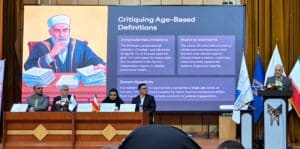
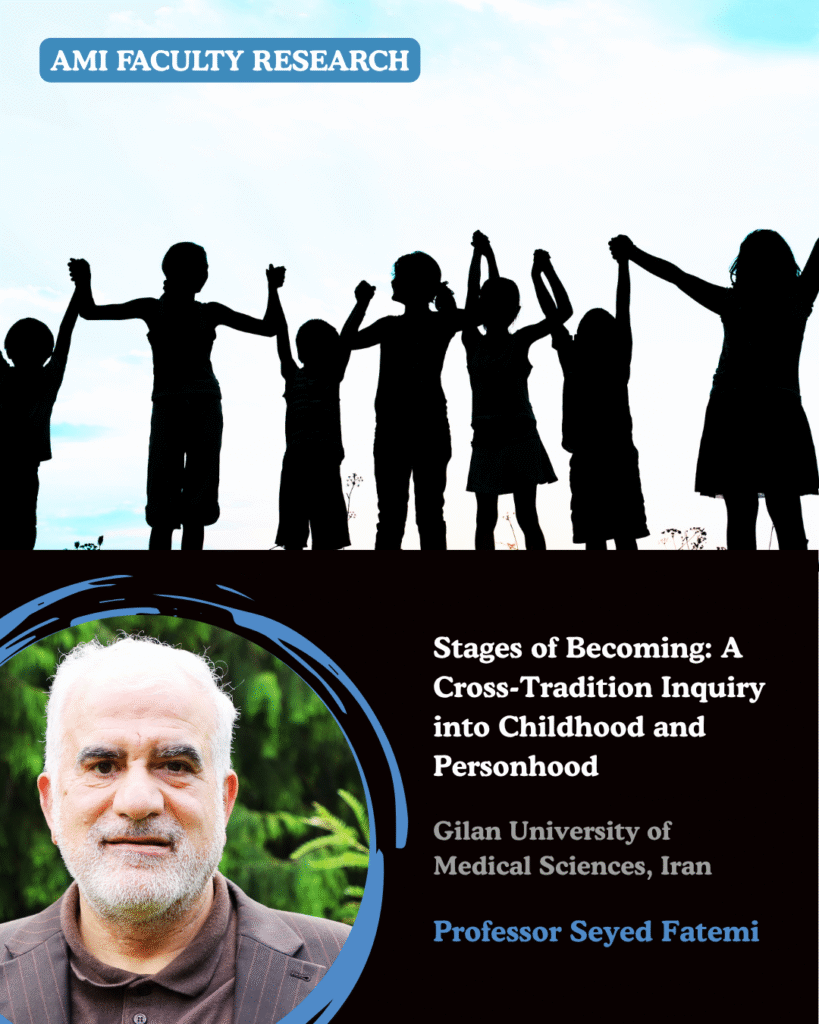
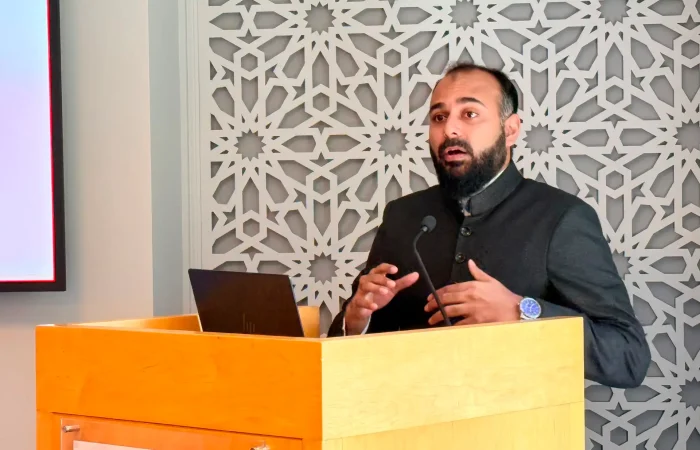
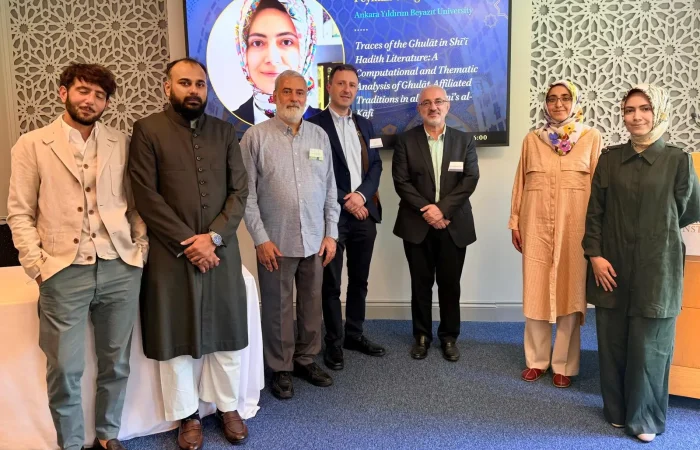
On 14th – 15th May 2025, Professor Seyed Mohammad G. S. Fatemi was invited to deliver a presentation at the 3rd International Conference on Child Rights at the Gilan University of Medical Sciences, Iran. This interdisciplinary gathering convened legal scholars, ethicists, medical professionals, and academics to explore evolving conceptions of children’s rights across theoretical and practical domains.
His presentation, Stages of Becoming: A Cross-Tradition Inquiry into Childhood and Personhood, offered a nuanced examination of the philosophical, psychological, and jurisprudential debates surrounding childhood personhood. Emphasising the importance of moving beyond rigid legal frameworks, Professor Fatemi argued for a culturally informed, stage-based understanding of maturity.
Key Themes and Contributions
-
Comparative Framework
Drawing on both Western and Islamic intellectual traditions, the presentation demonstrated how influential thinkers such as Locke, Kant, and Piaget have shaped prevailing notions of moral and cognitive development. Professor Fatemi underscored the depth of Islamic jurisprudential models, which categorise childhood into distinct developmental stages, each with specific legal and ethical implications.
-
Islamic Jurisprudence and Developmental Psychology
Professor Fatemi outlined four key stages within Islamic thought: ṣabāwah (infancy), mumayyiz (discernment), bulūgh (puberty), and rushd (intellectual maturity). He posited that personhood is not attained abruptly but emerges gradually, informed by both physical growth and cognitive readiness.
-
Critical Reappraisal of Age-Based Criteria
Challenging conventional jurisprudential reliance on fixed ages to determine legal responsibility, Professor Fatemi advocated for a more nuanced, evidence-based approach. He emphasised rushd– intellectual maturity- as a more meaningful criterion, supported by both Qur’anic principles and contemporary psychological research.
-
Rights-Based Implications
The analysis highlighted that children’s rights should be grounded in their evolving capacities and embedded within specific cultural and social contexts. Rigid chronological thresholds risk neglecting the complex interplay of biological, psychological, and societal factors in a child’s development.