Introduction
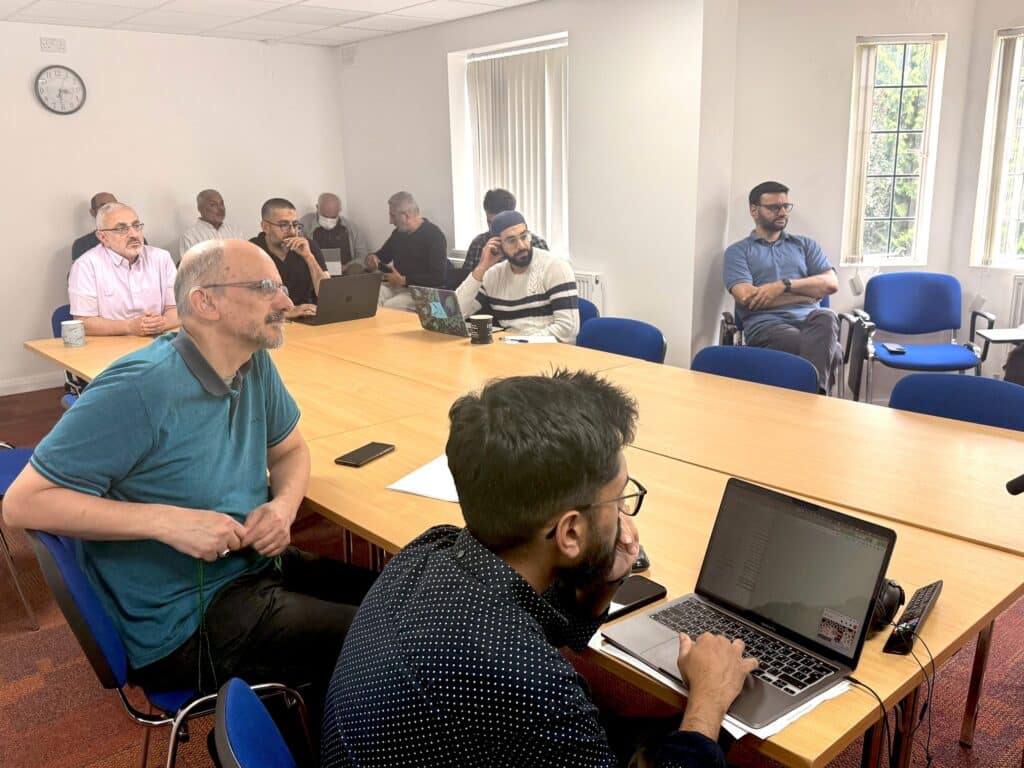
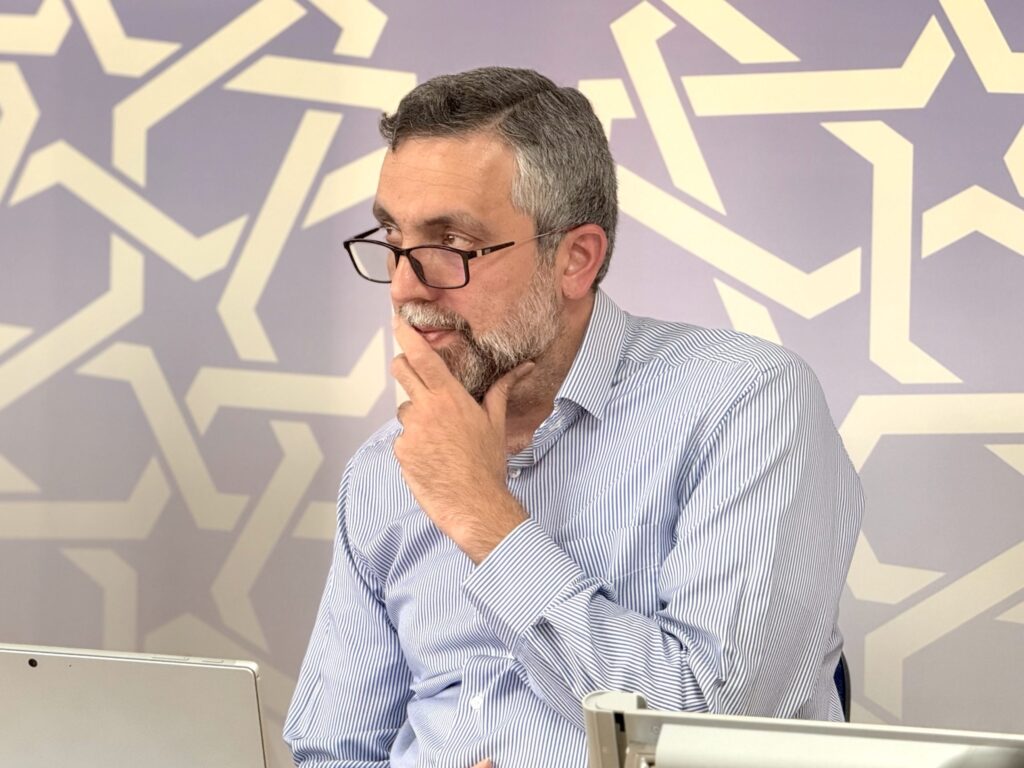
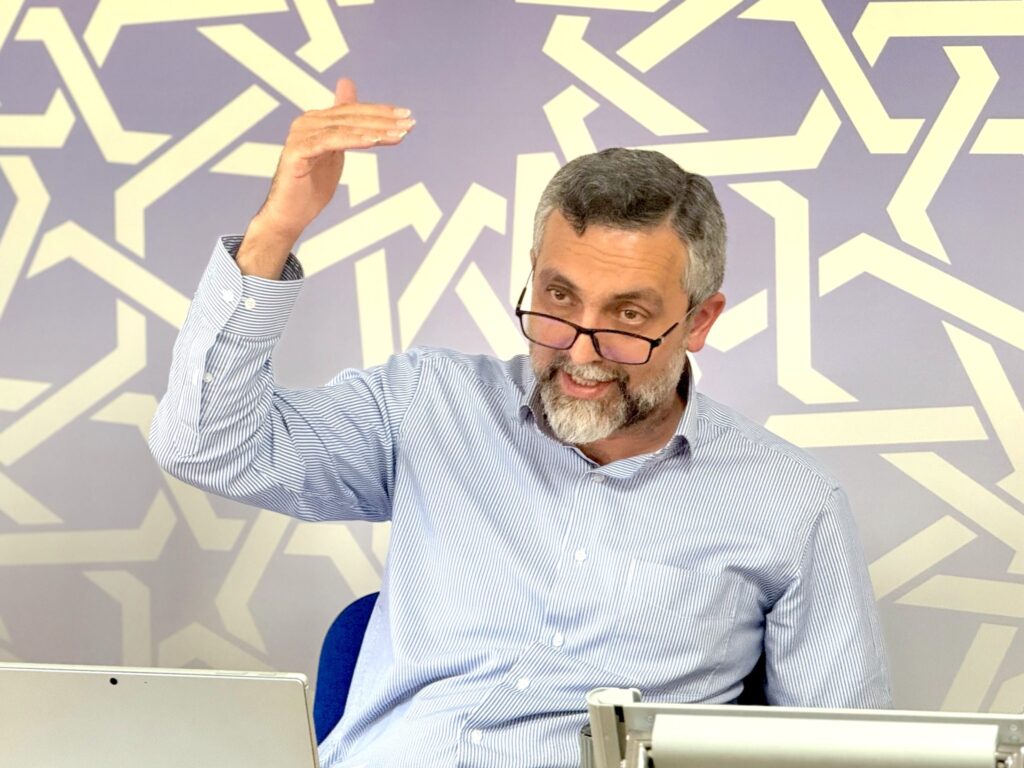
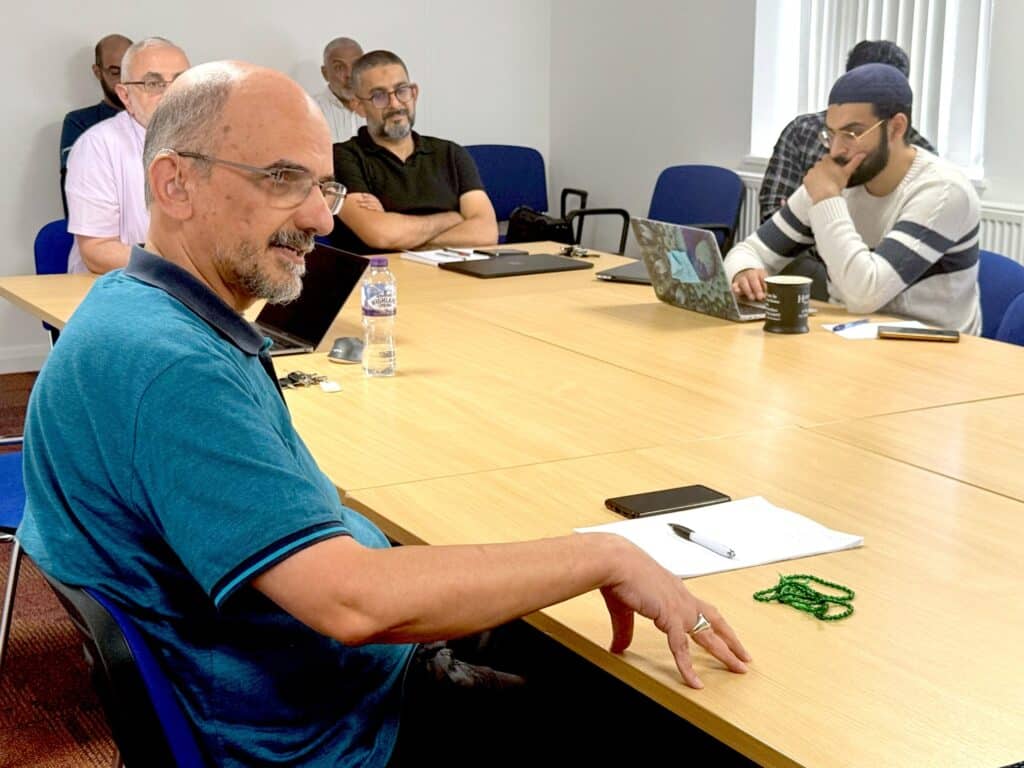
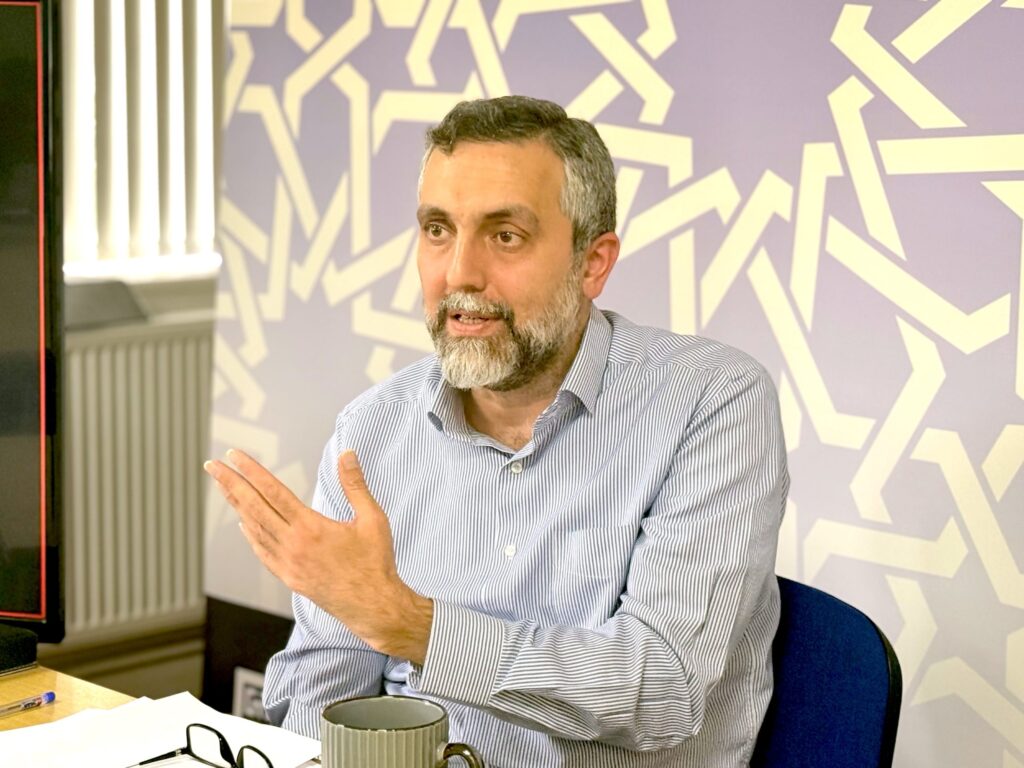
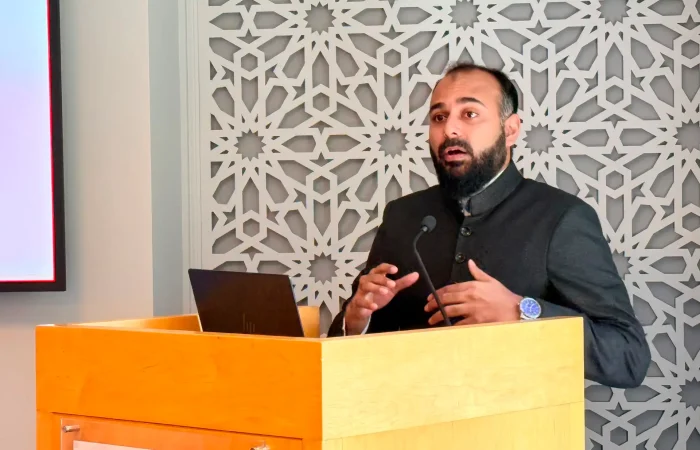
On 5th August 2025, the Al-Mahdi Institute welcomed Professor Mahmoud Morvarid for a research seminar exploring Islamic approaches to understanding revelation (waḥy). In his presentation, Professor Morvarid offered a comprehensive survey of four major models that have emerged within the Islamic intellectual tradition, each seeking to explain how divine revelation occurs. His analysis not only highlighted their internal coherence and strengths but also brought attention to the challenges they face in light of contemporary philosophical and theological inquiry.
The Mutakallimūn Model
The earliest approach, developed by Muslim theologians, viewed revelation as divine speech in the most literal sense. According to this model, God creates physical sounds which the Prophet hears and then recites to his community. This interpretation provided clarity in affirming the Qur’an as the word of God, yet raised difficult questions about how immaterial divine speech could take on material form, and what this implies about God’s mode of communication with humanity.
The Fārābī–Ibn Sīnā Model
In contrast, the philosophers Fārābī and Ibn Sīnā articulated a more philosophically complex framework. Drawing on Aristotelian psychology and Neoplatonic emanation theory, they explained revelation as the Prophet’s perfected intellectual and imaginative faculties receiving emanations from the Active Intellect. This account elegantly integrated philosophy and prophecy, but it also faced challenges: how to reconcile its intellectualist emphasis with Qur’anic descriptions of revelation as direct divine speech.
The Ghazālī Model
Al-Ghazālī’s approach sought to synthesise theology, philosophy, and Sufism. He described revelation as ilhām (divine inspiration) entering the purified heart of the Prophet. By shifting emphasis from rational inference to inner experience, Ghazālī offered a deeply spiritual vision of revelation that resonated with mystical currents. At the same time, the model faced questions about the line between subjective experience and authoritative revelation, as well as how such inspiration is distinguished from ordinary spiritual insights.
The Suhrawardī Model
Perhaps the most innovative of the four was Suhrawardī’s introduction of a third ontological realm—the world of images (ʿālam al-mithāl). In this framework, prophetic visions and experiences were not merely symbolic or psychological but real encounters with entities existing in an intermediate realm between the material and the purely spiritual. This enriched account of prophecy provided metaphysical grounding for the vivid imagery found in Qur’anic and prophetic experiences, though it also left open philosophical debates about the ontological status of such a realm.
Comparative Analysis
Professor Morvarid examined each of these models through a four-part analytical framework: how they conceptualise divine speech, how they account for prophetic perceptual experiences, how they describe the acquisition of revelatory knowledge, and how they explain the Qur’an’s textual form. By placing the models side by side, he demonstrated their enduring contributions while also noting unresolved tensions that invite further exploration.
Conclusion
In closing, Professor Morvarid emphasised that these models, while foundational, remain incomplete in addressing all dimensions of revelation. Their ongoing influence underscores the need for new frameworks that can integrate Qur’anic content with the insights of contemporary philosophy and theology. The seminar thus highlighted the continuing vitality of revelation as a subject of inquiry in both classical and modern Islamic thought.
About the Speaker:
Professor Morvarid pursued Islamic studies at the prestigious Seminaries of Mashhad and Qom in Iran before earning his PhD in analytic philosophy from the School of Philosophy at the Institute for Research in Fundamental Sciences (IPM) in Tehran, where he currently serves as a faculty member. His scholarly work spans metaphysics, philosophy of religion, philosophy of mind, Islamic philosophy, and Shiite Principles of Jurisprudence (uṣūl al-fiqh). He is particularly interested in exploring the rich connections between various branches of analytic philosophy and the intellectual heritage of the Islamic tradition, including philosophy, kalām, and uṣūl al-fiqh. Professor Morvarid has published extensively in both English and Persian.
Watch the Seminar:
Listen to the Seminar:
View Gallery: