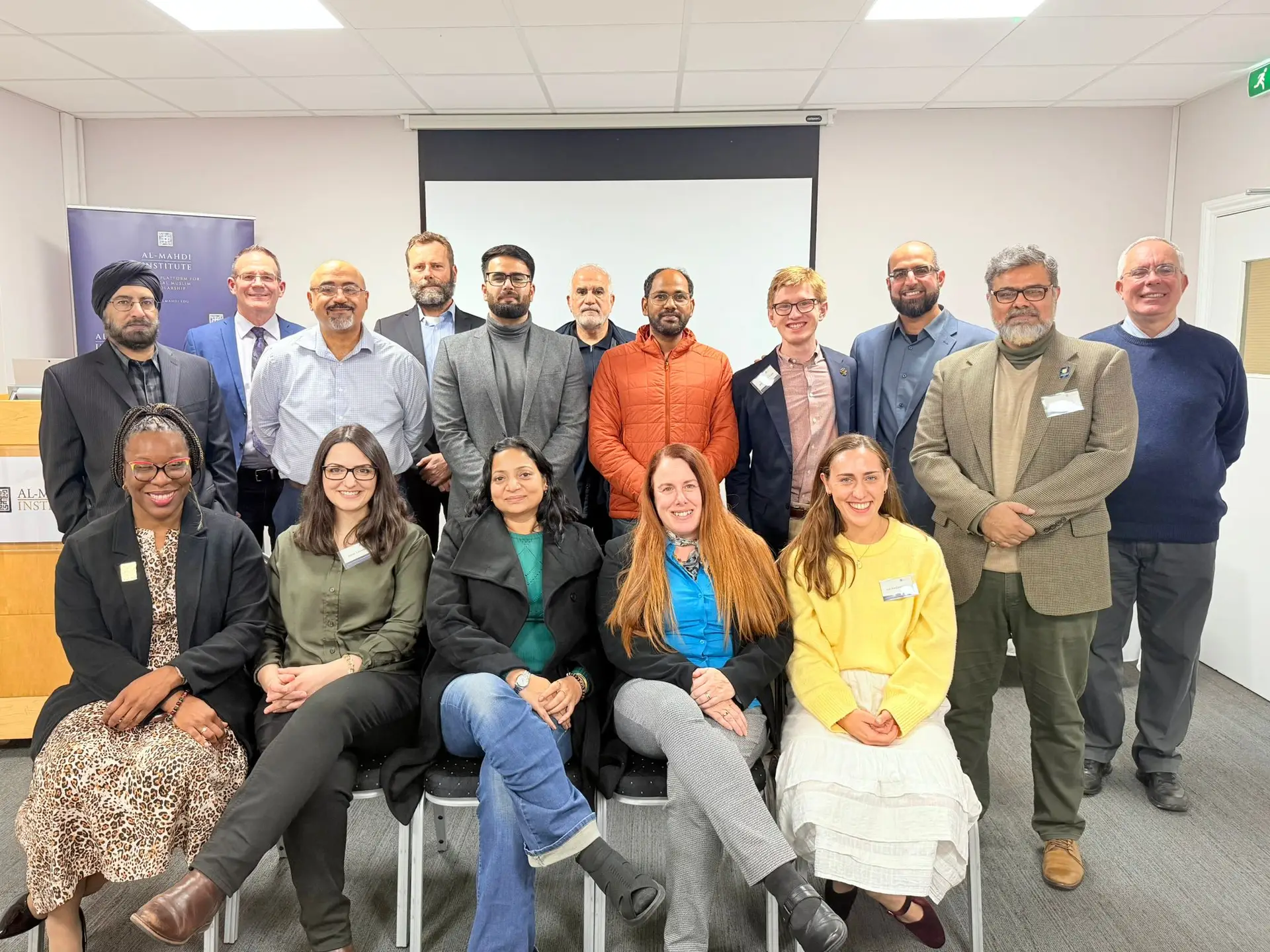
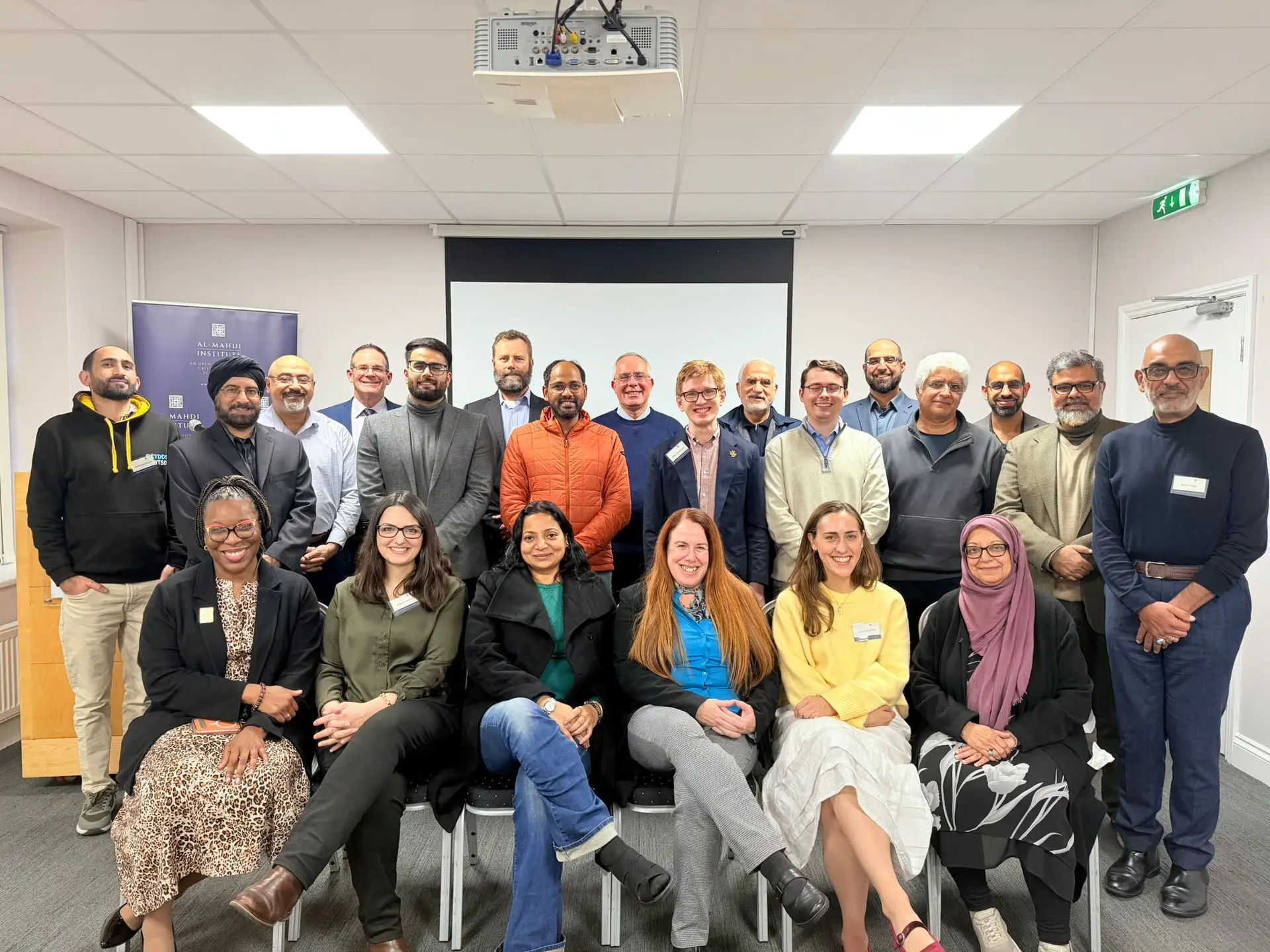
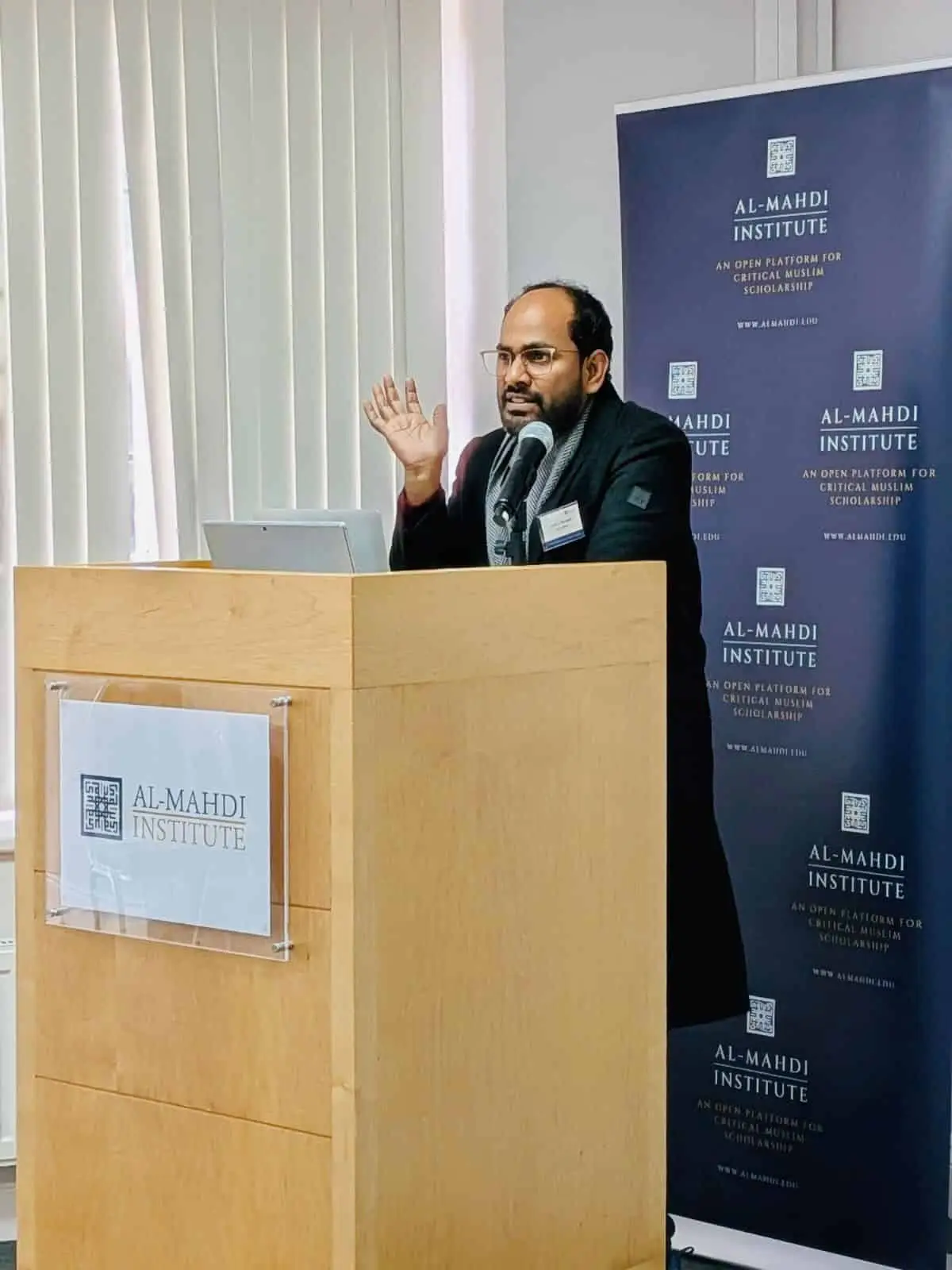
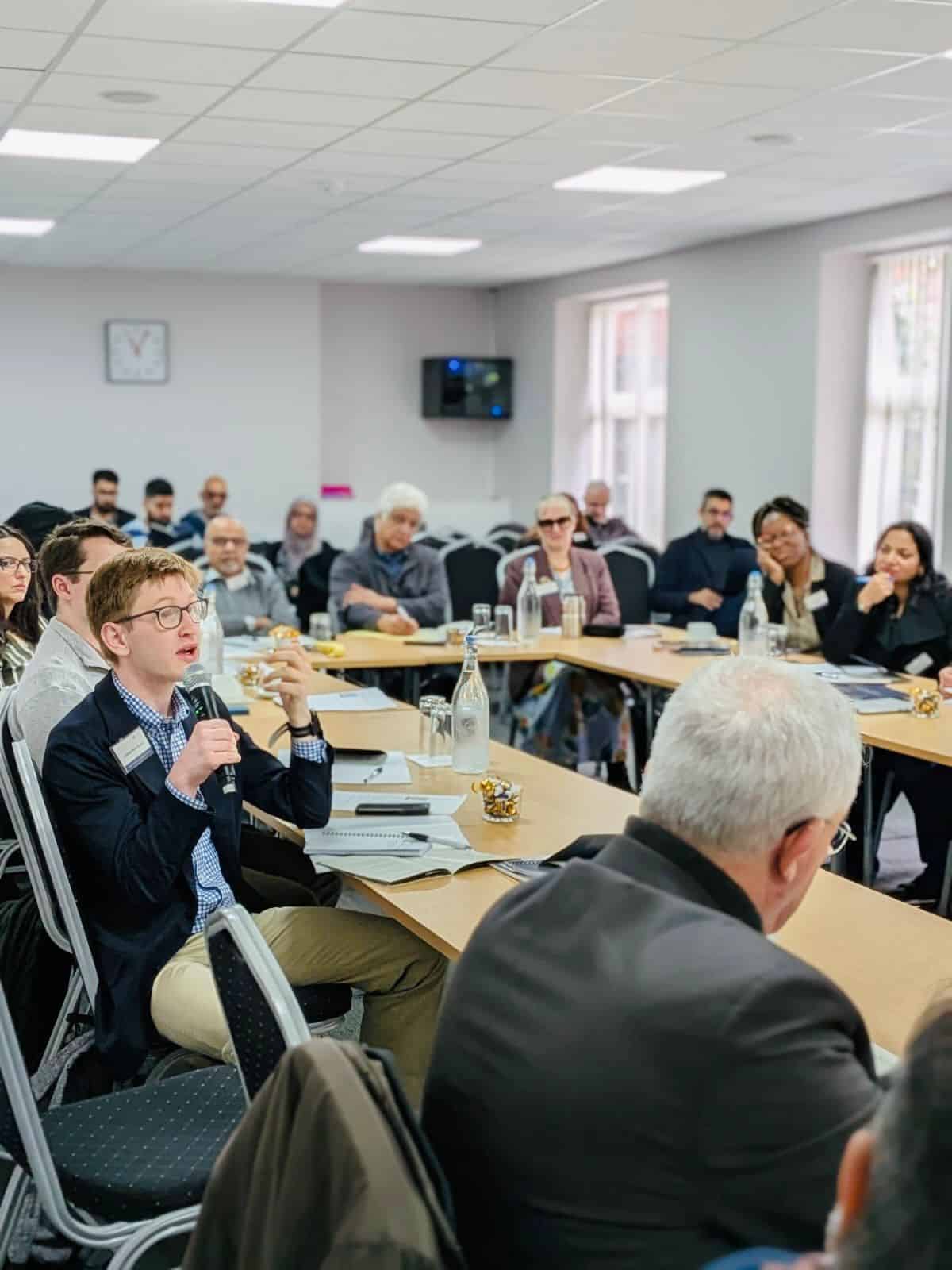
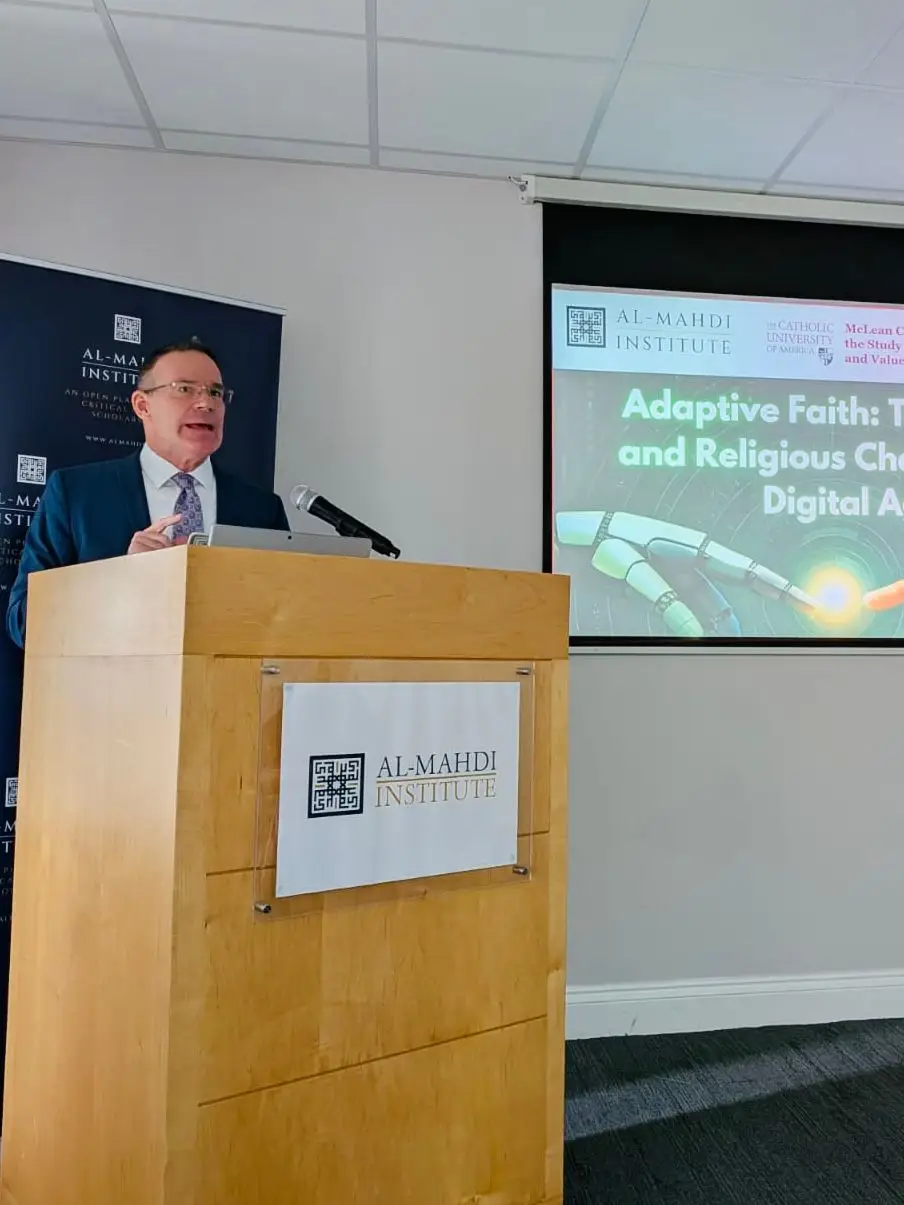
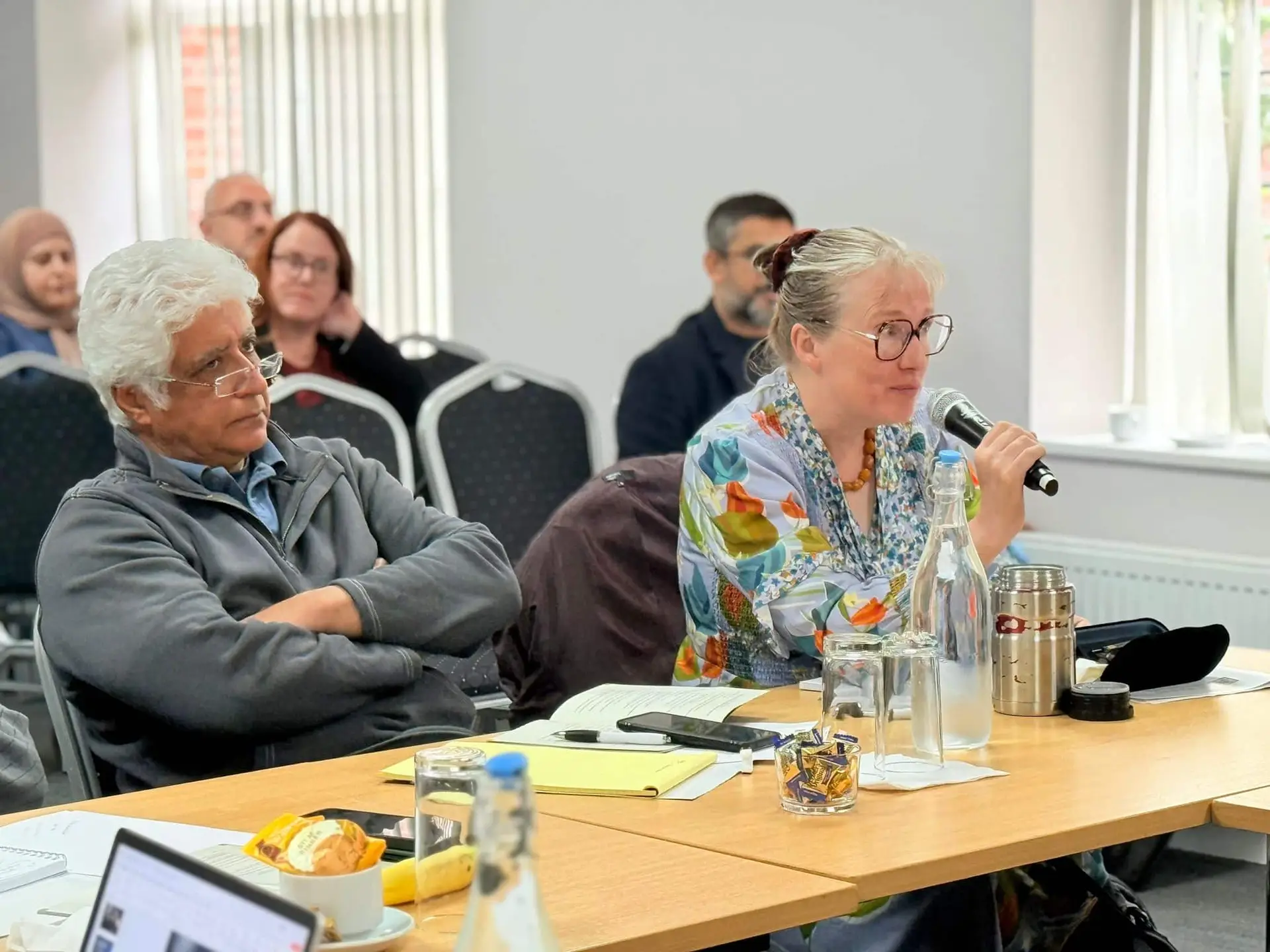
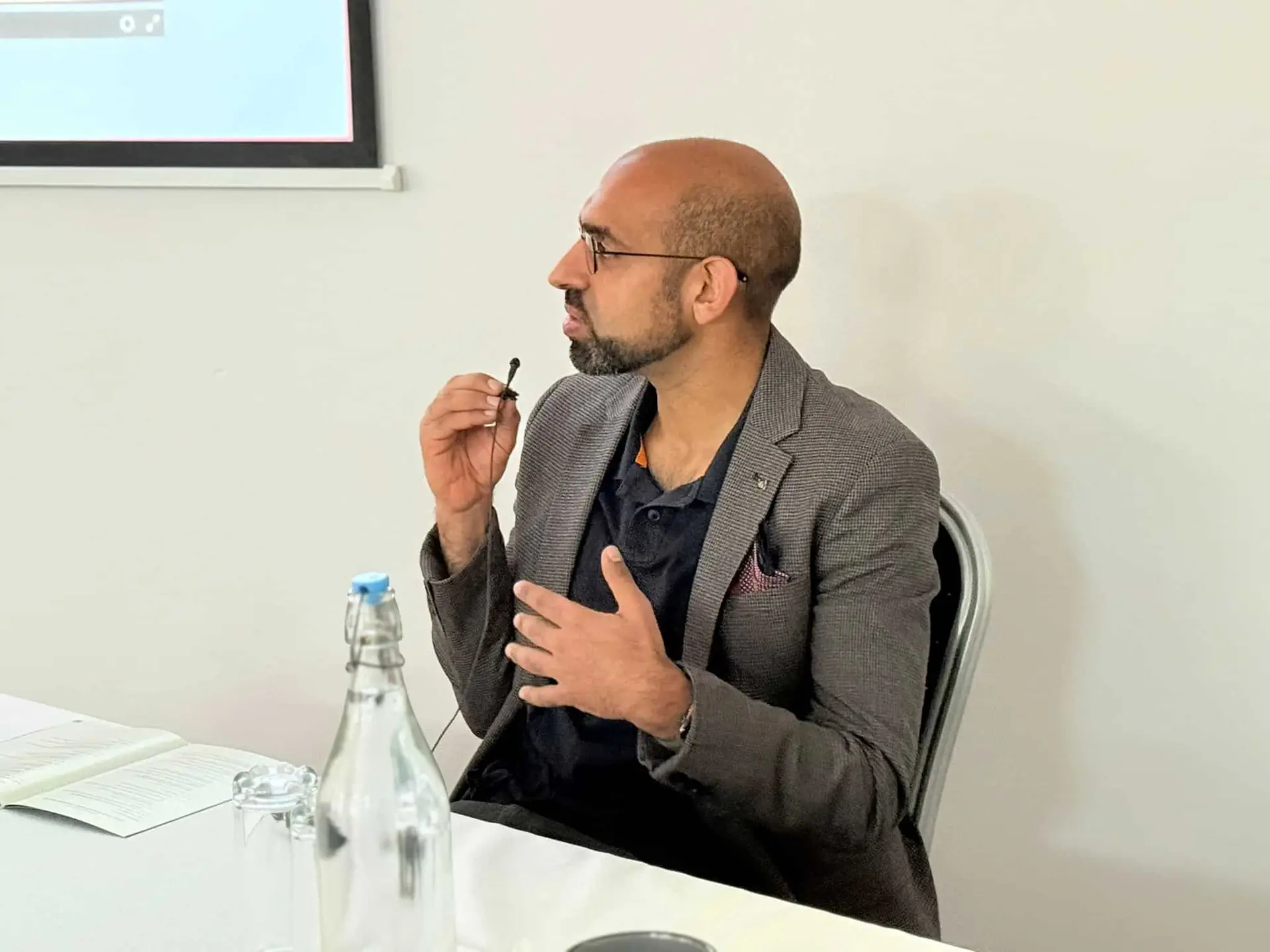
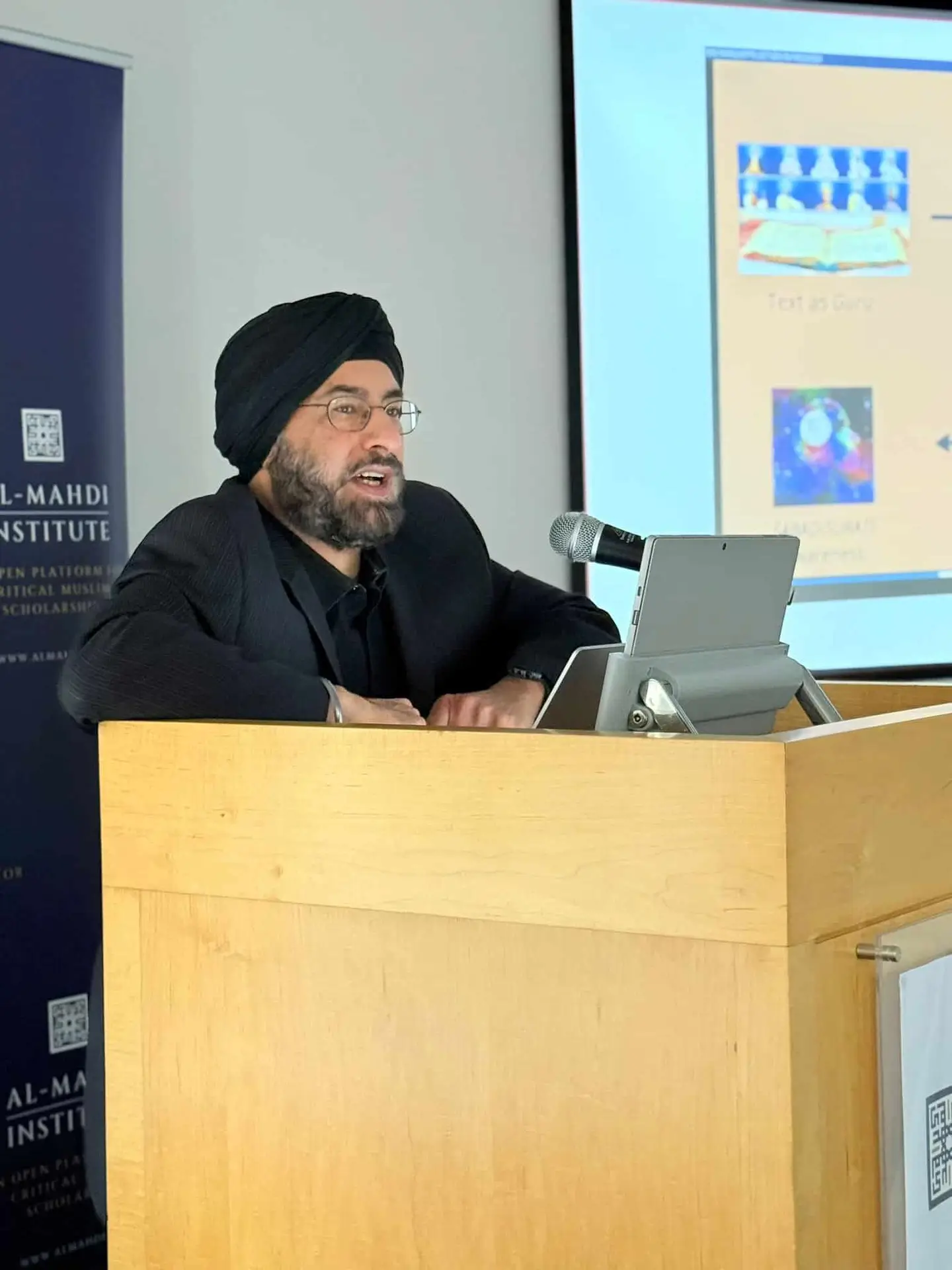
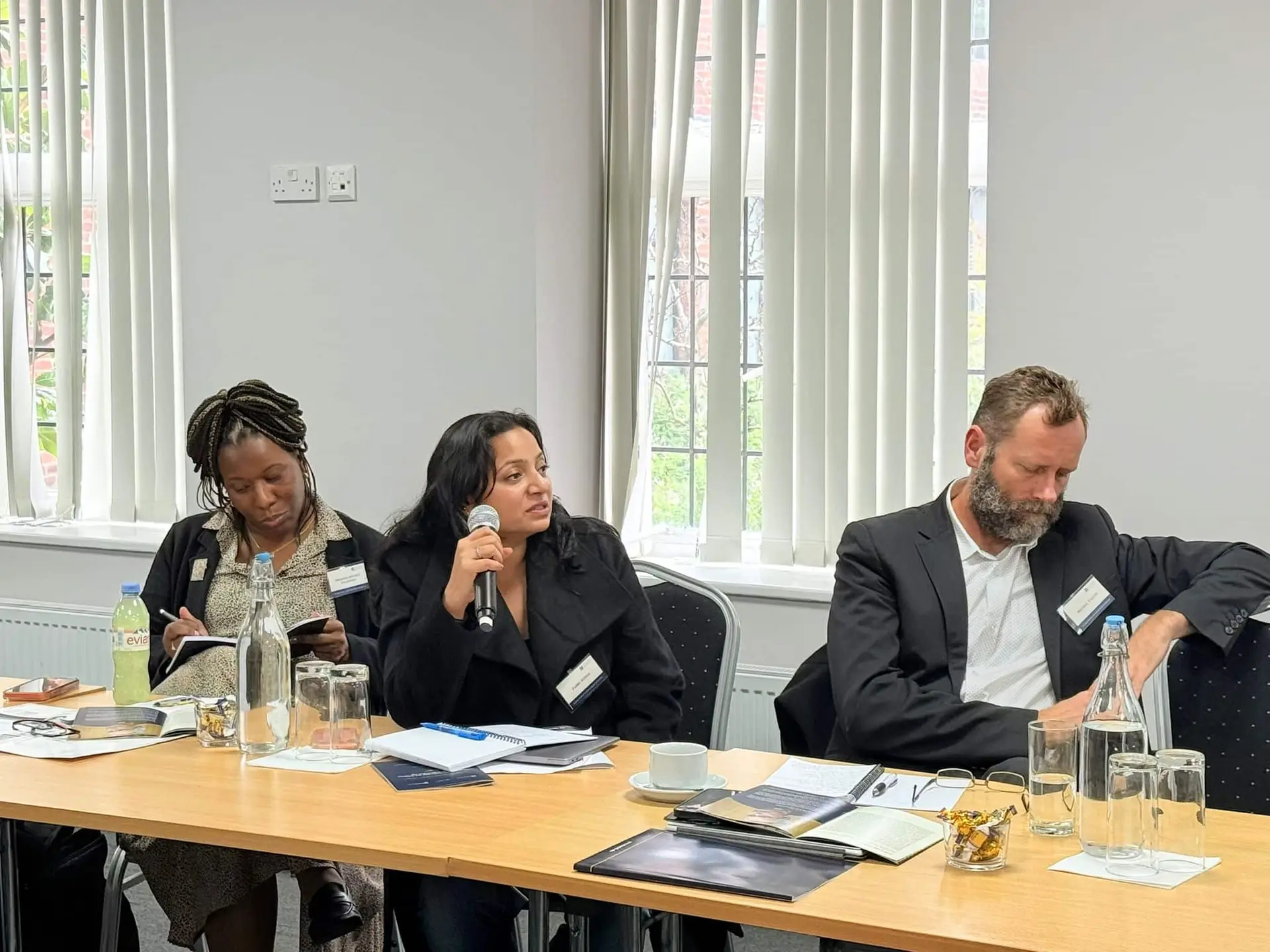
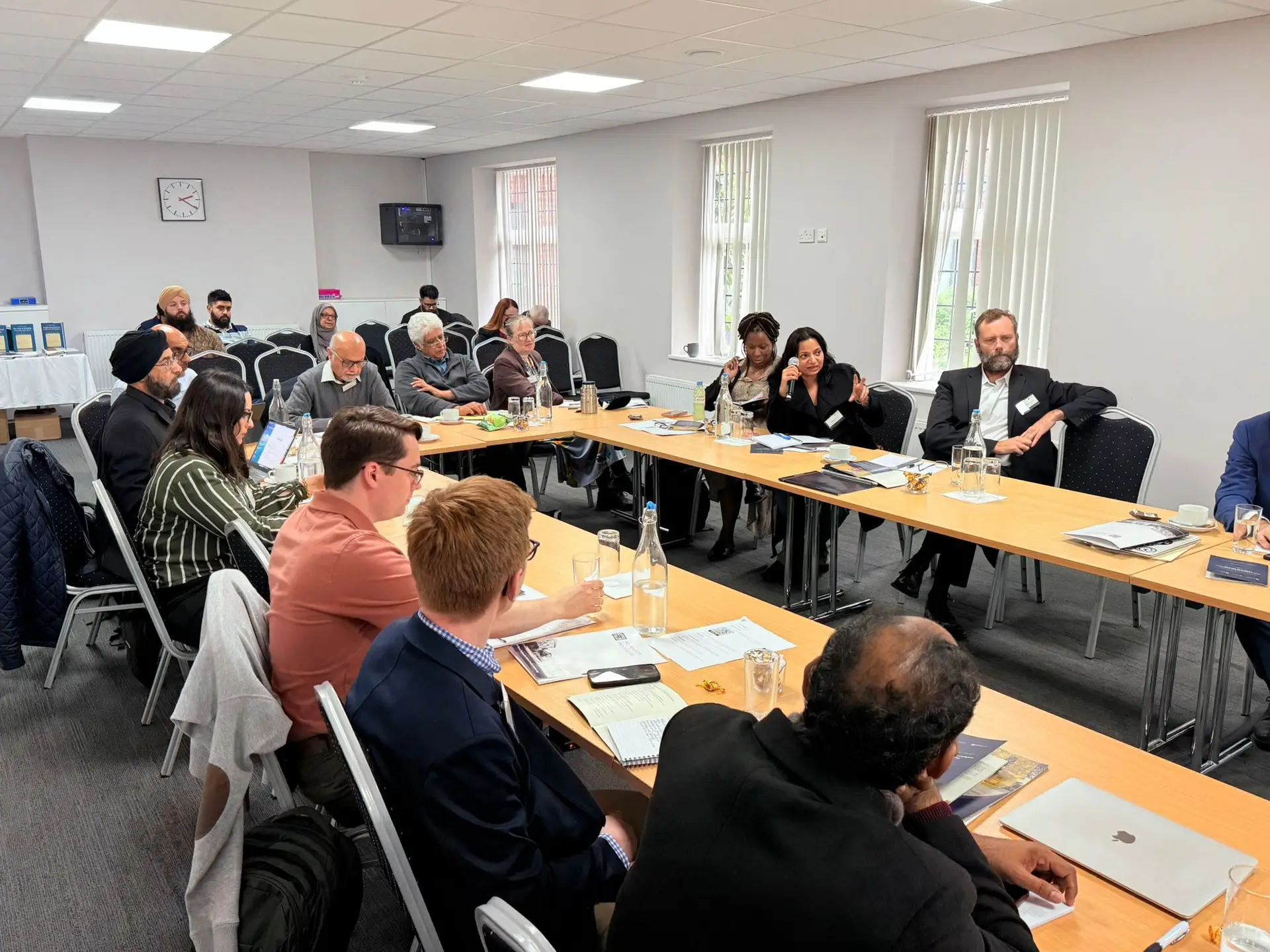
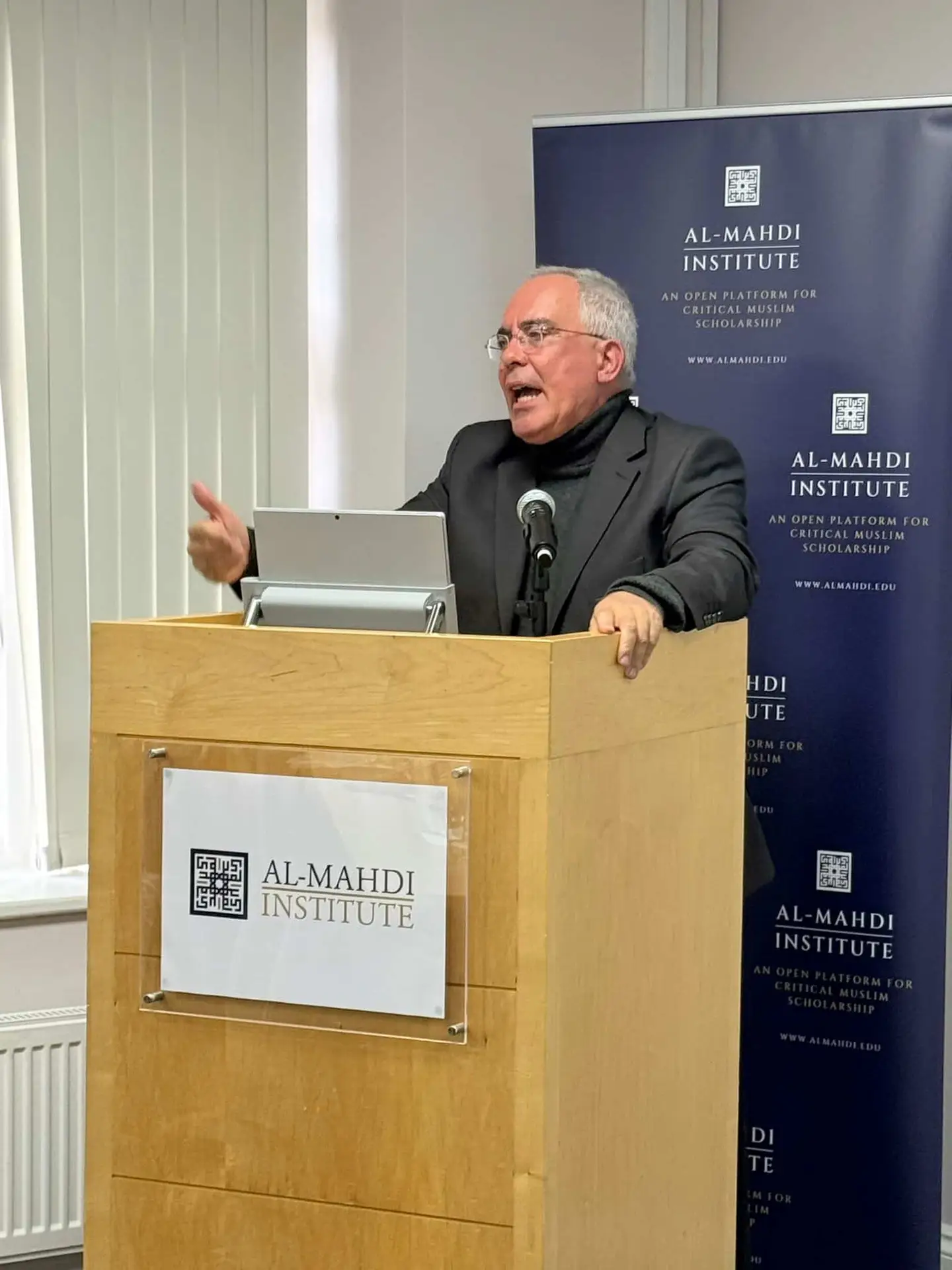
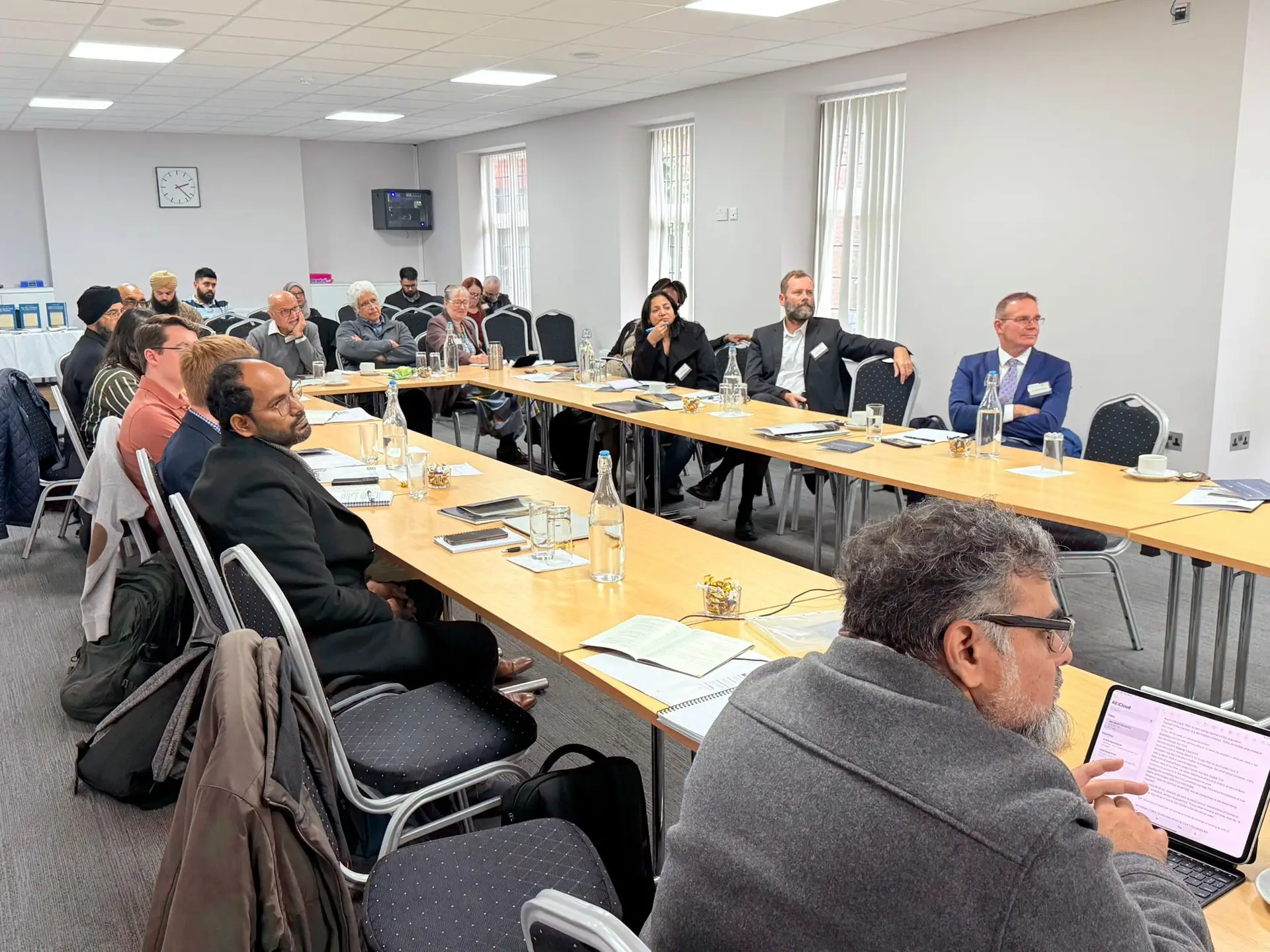
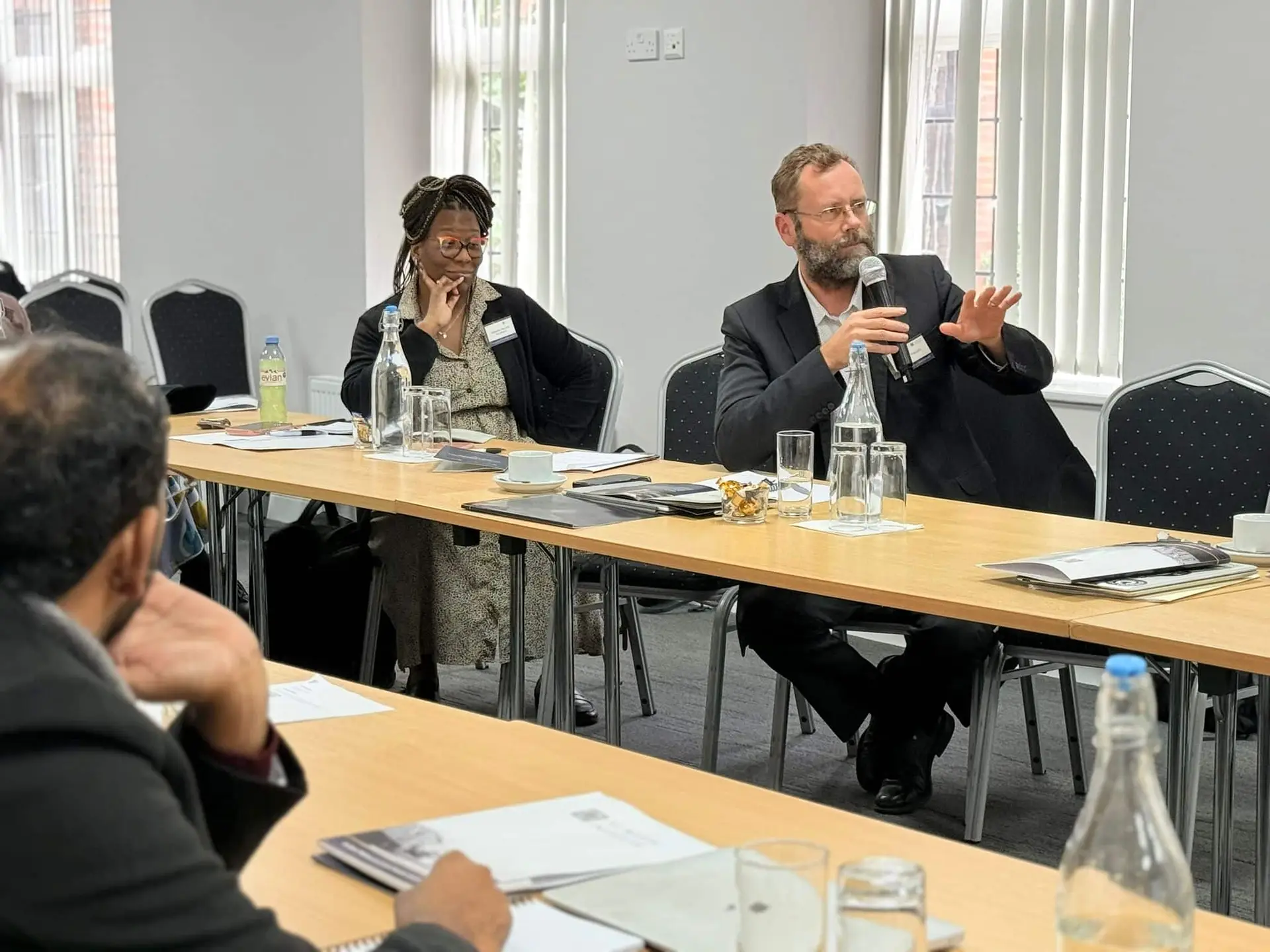
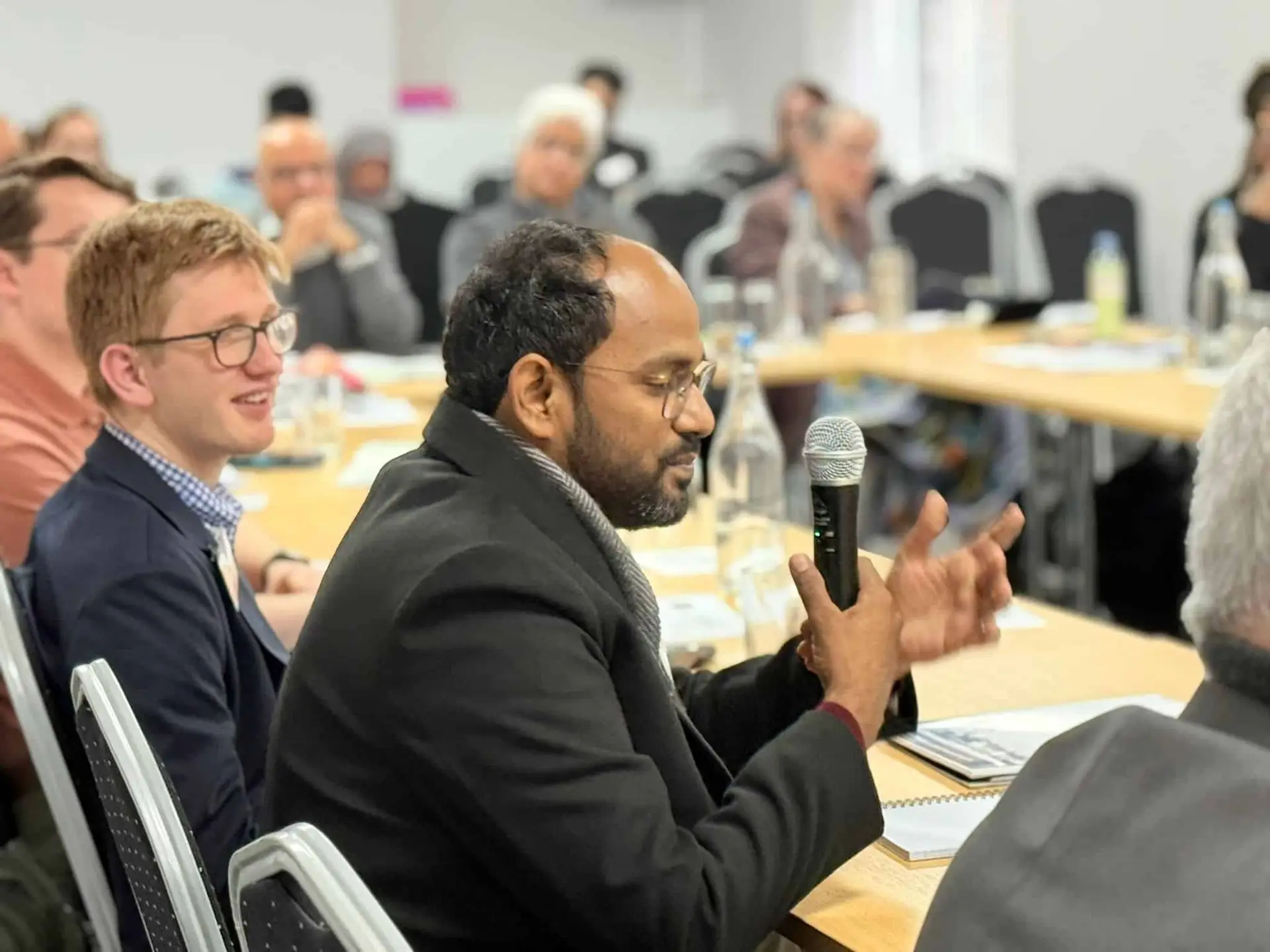
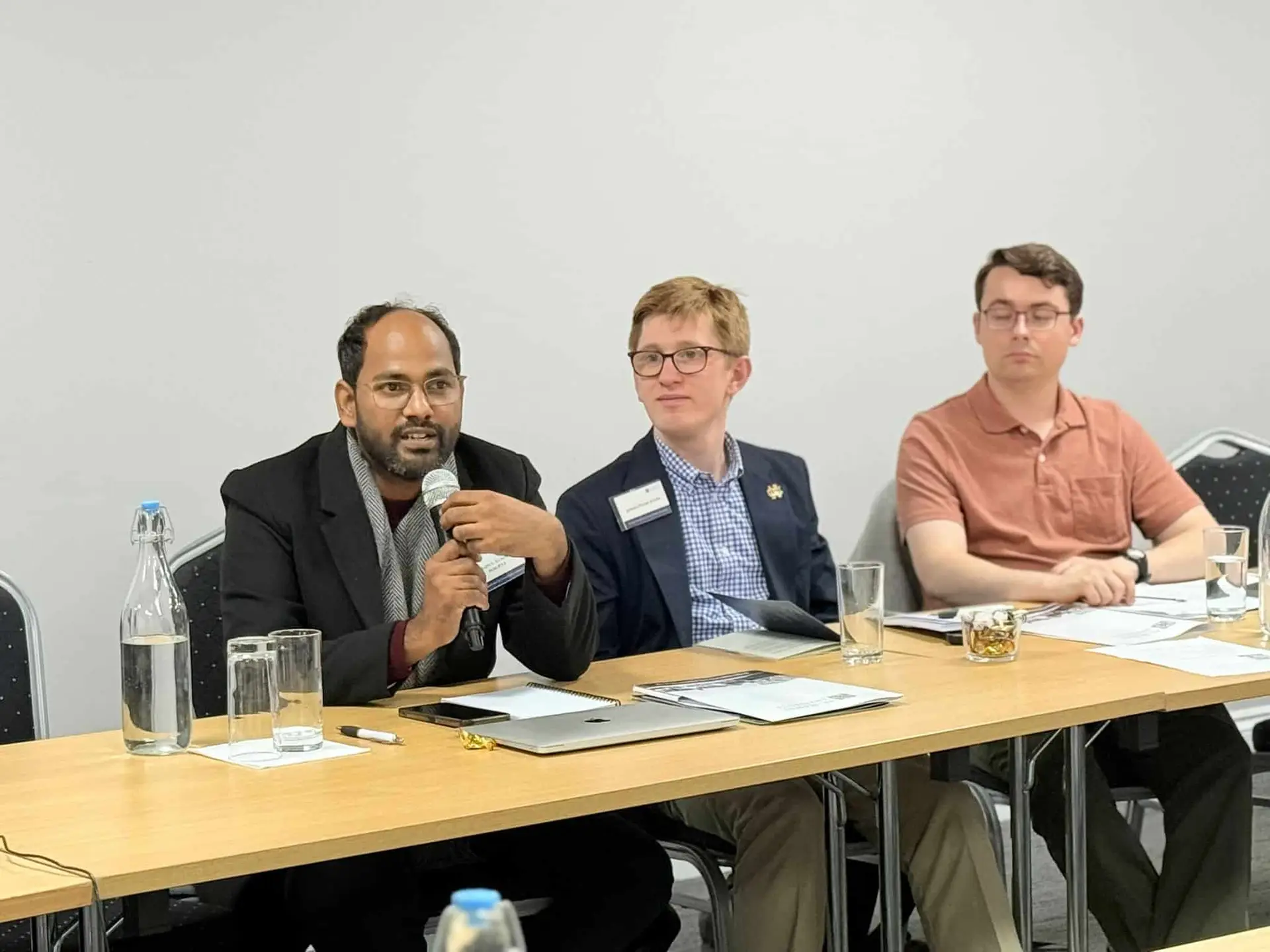
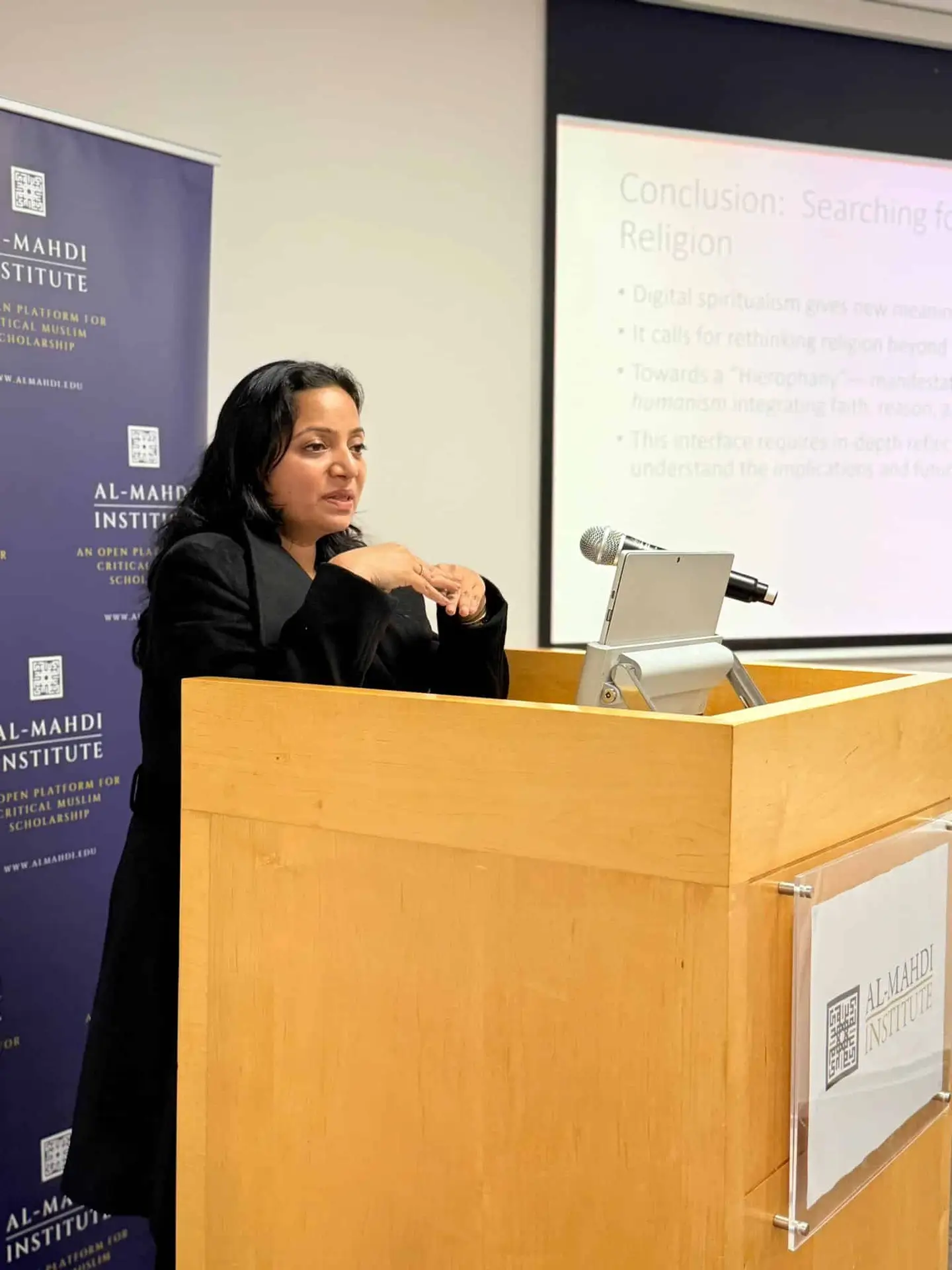
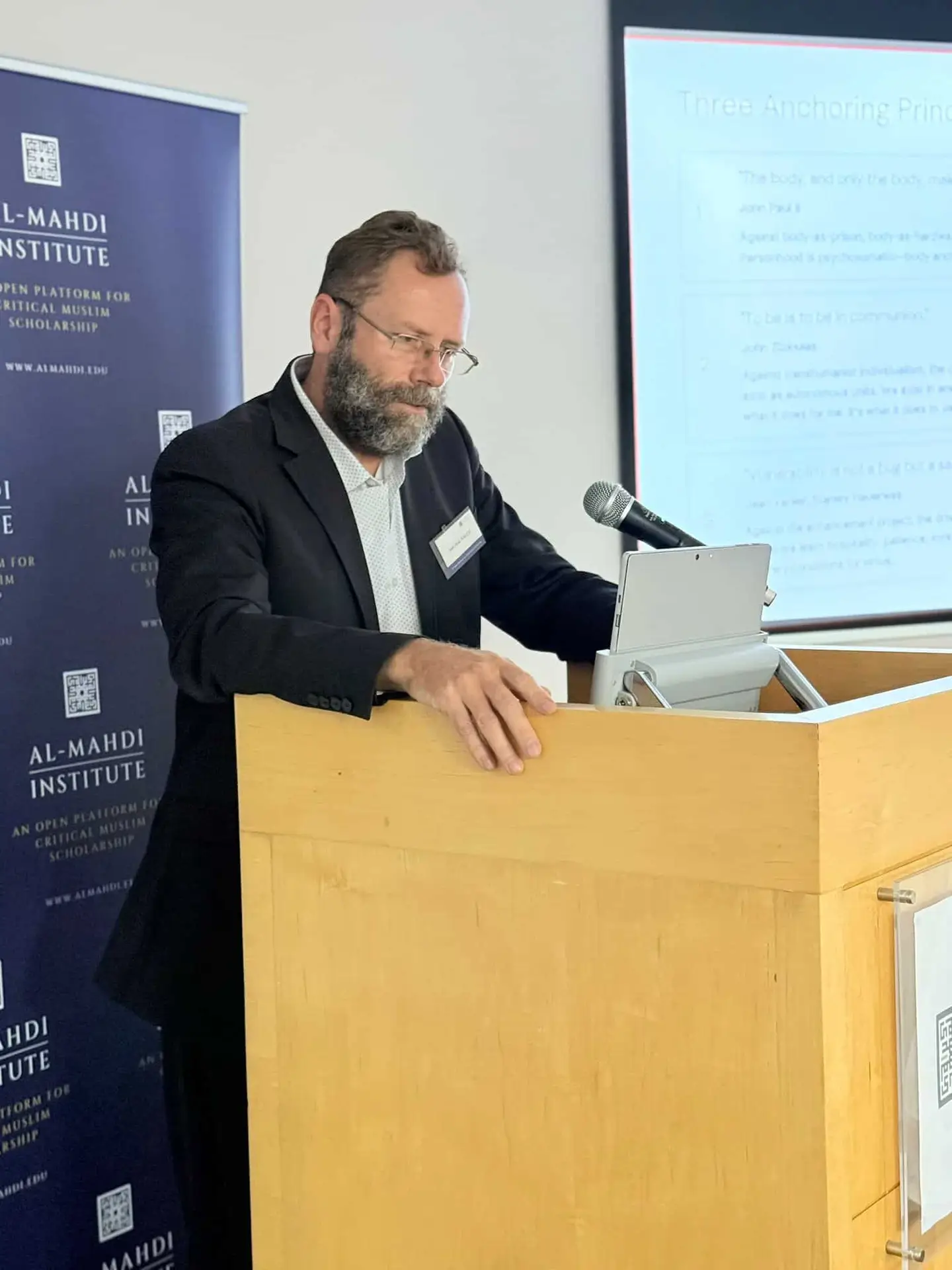
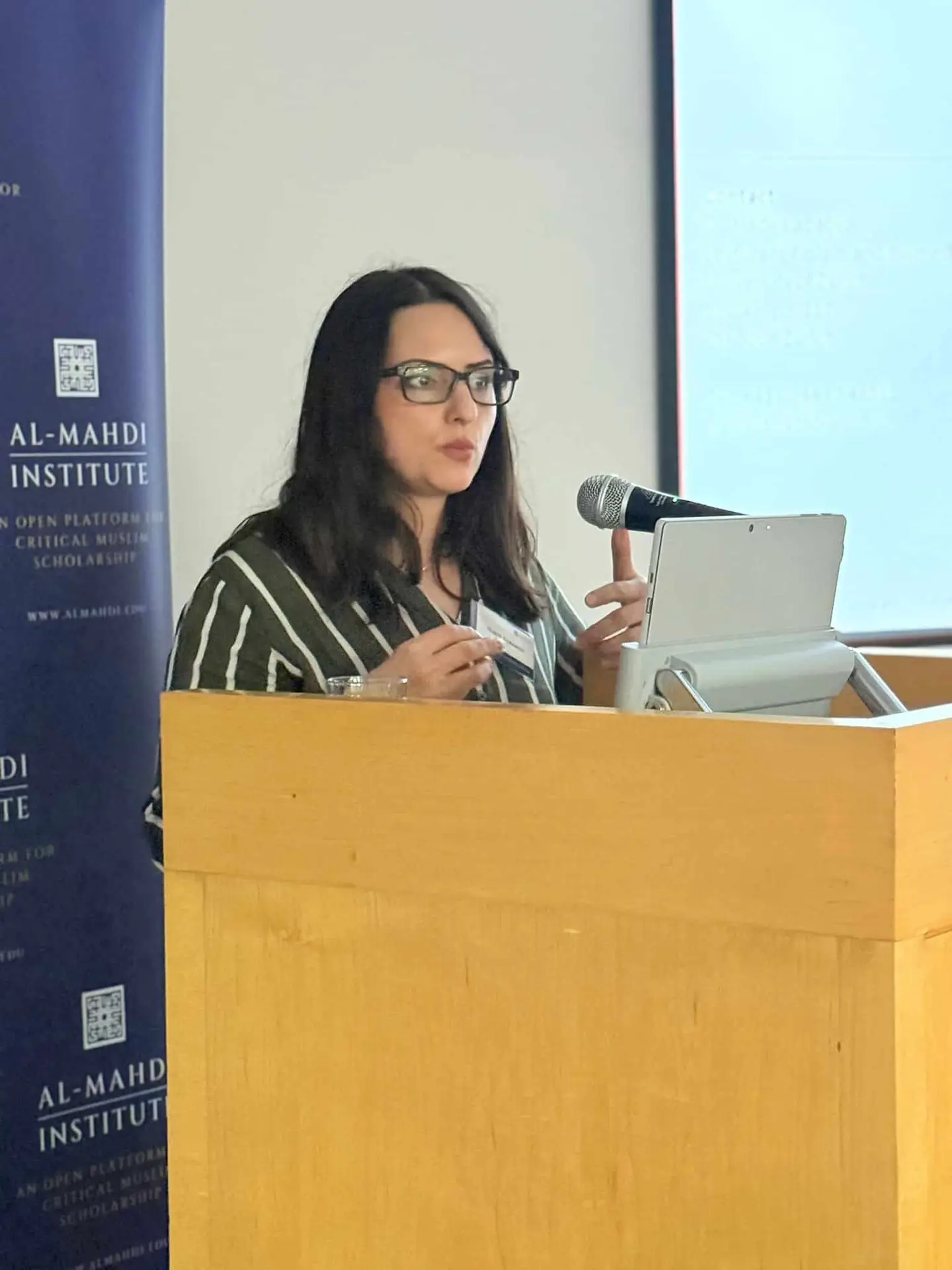
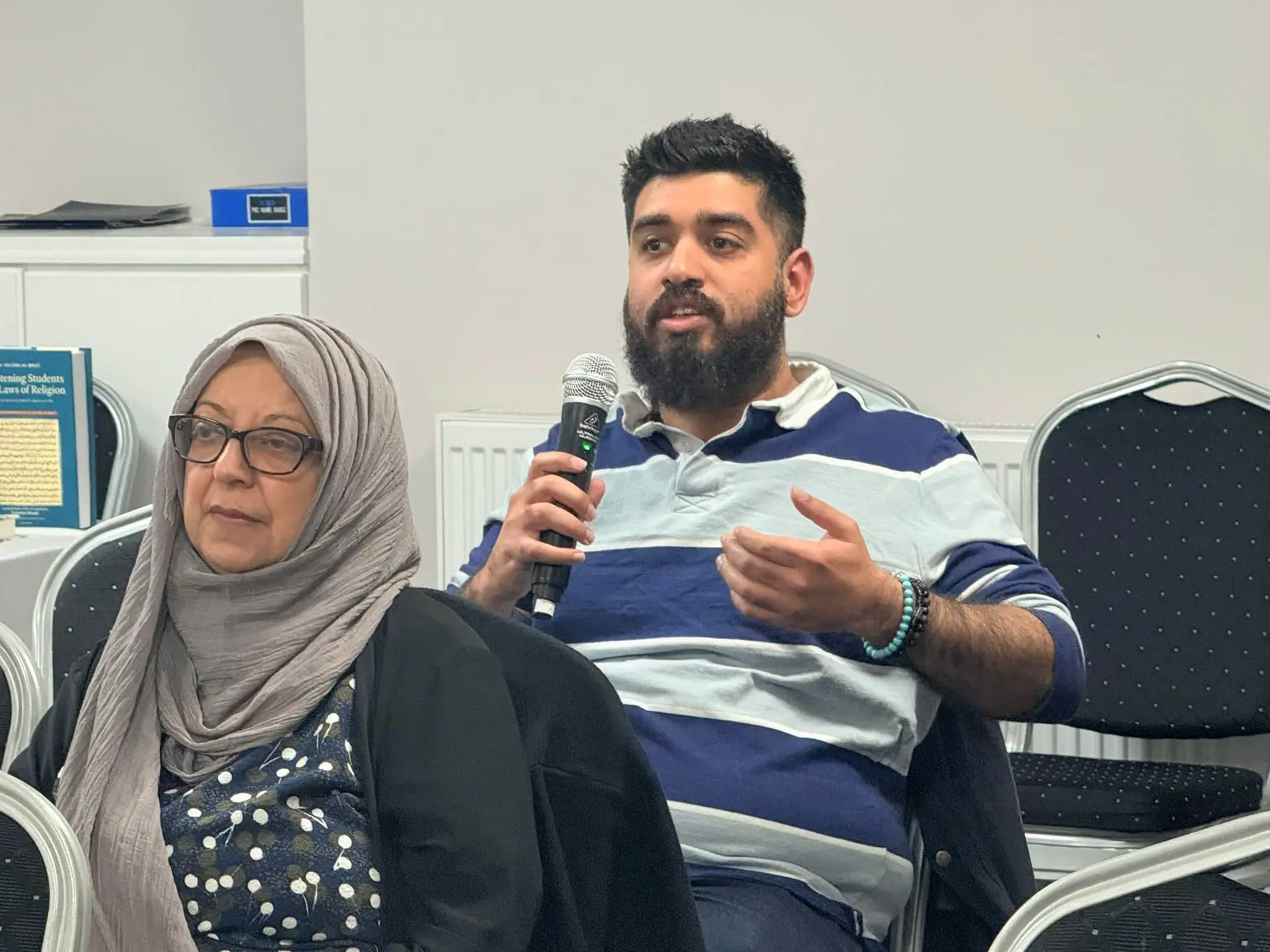
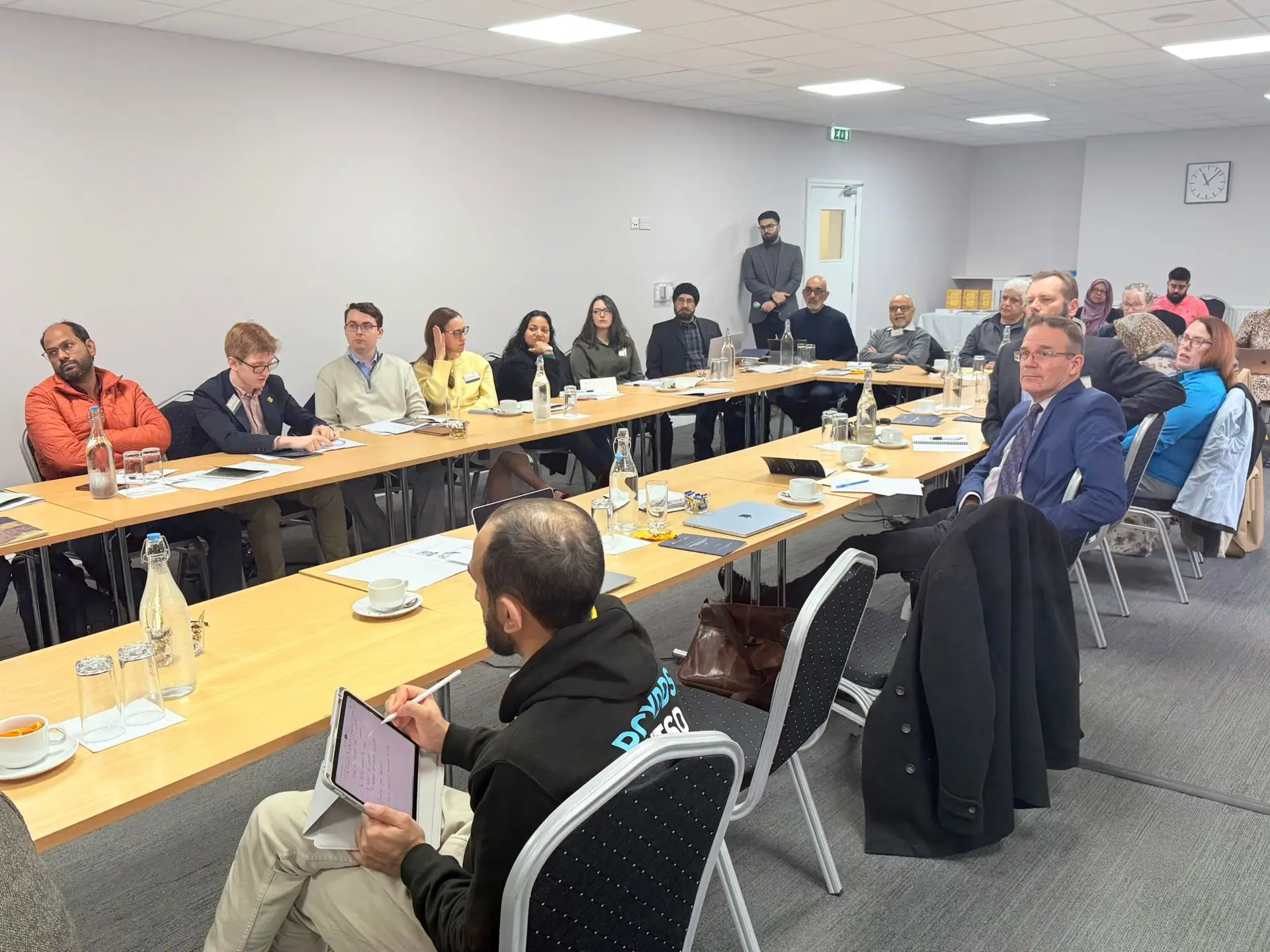
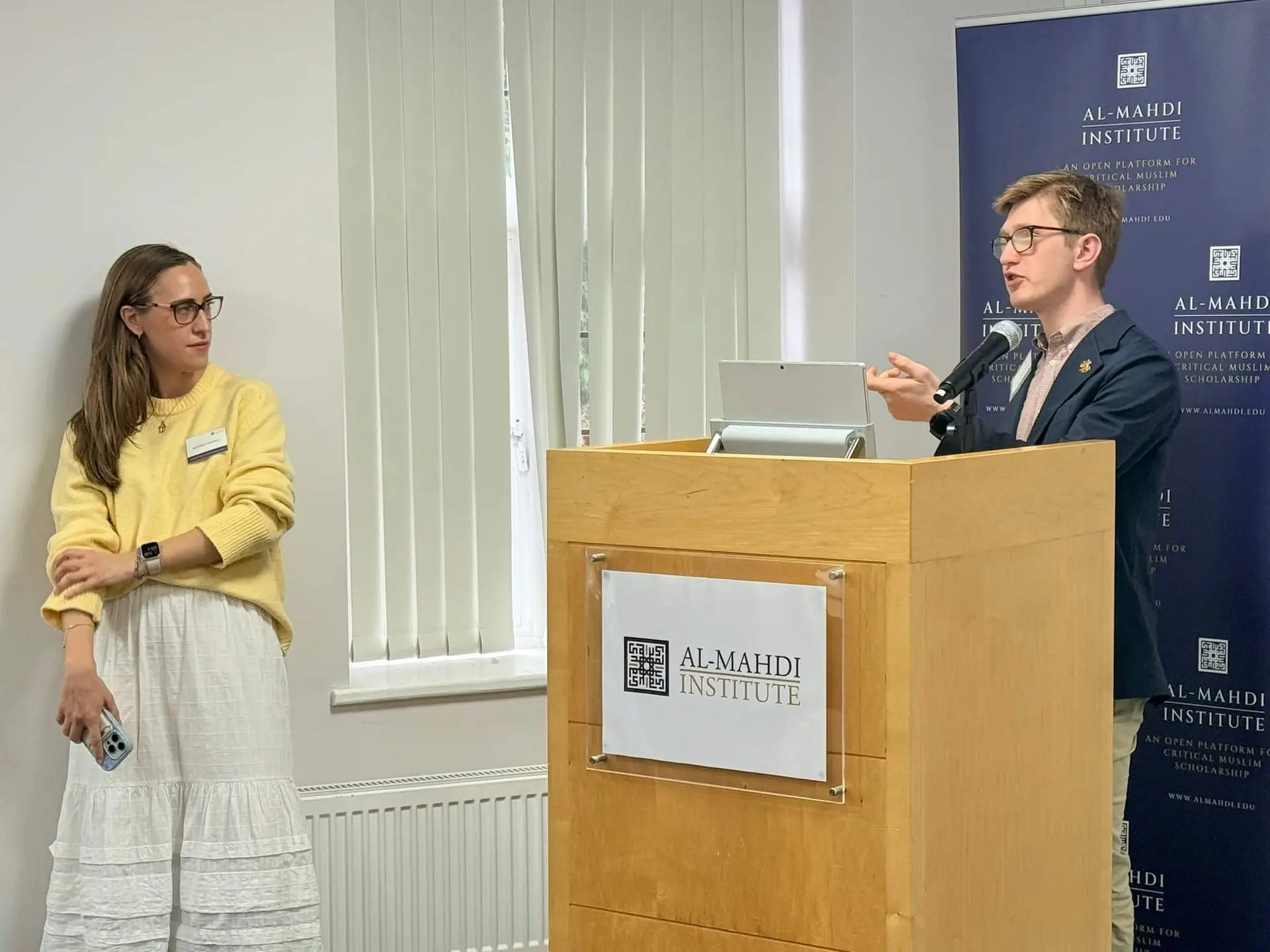
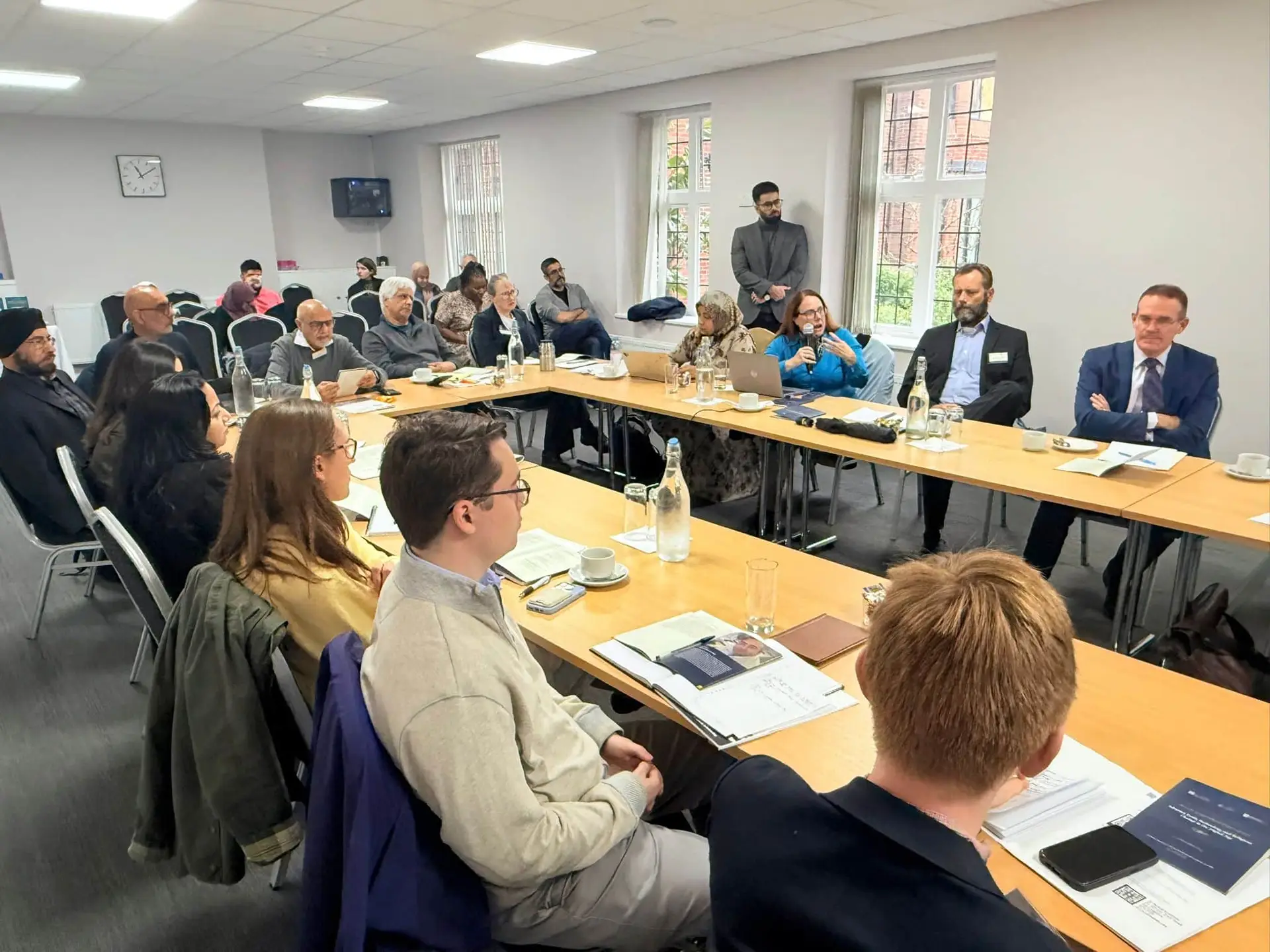
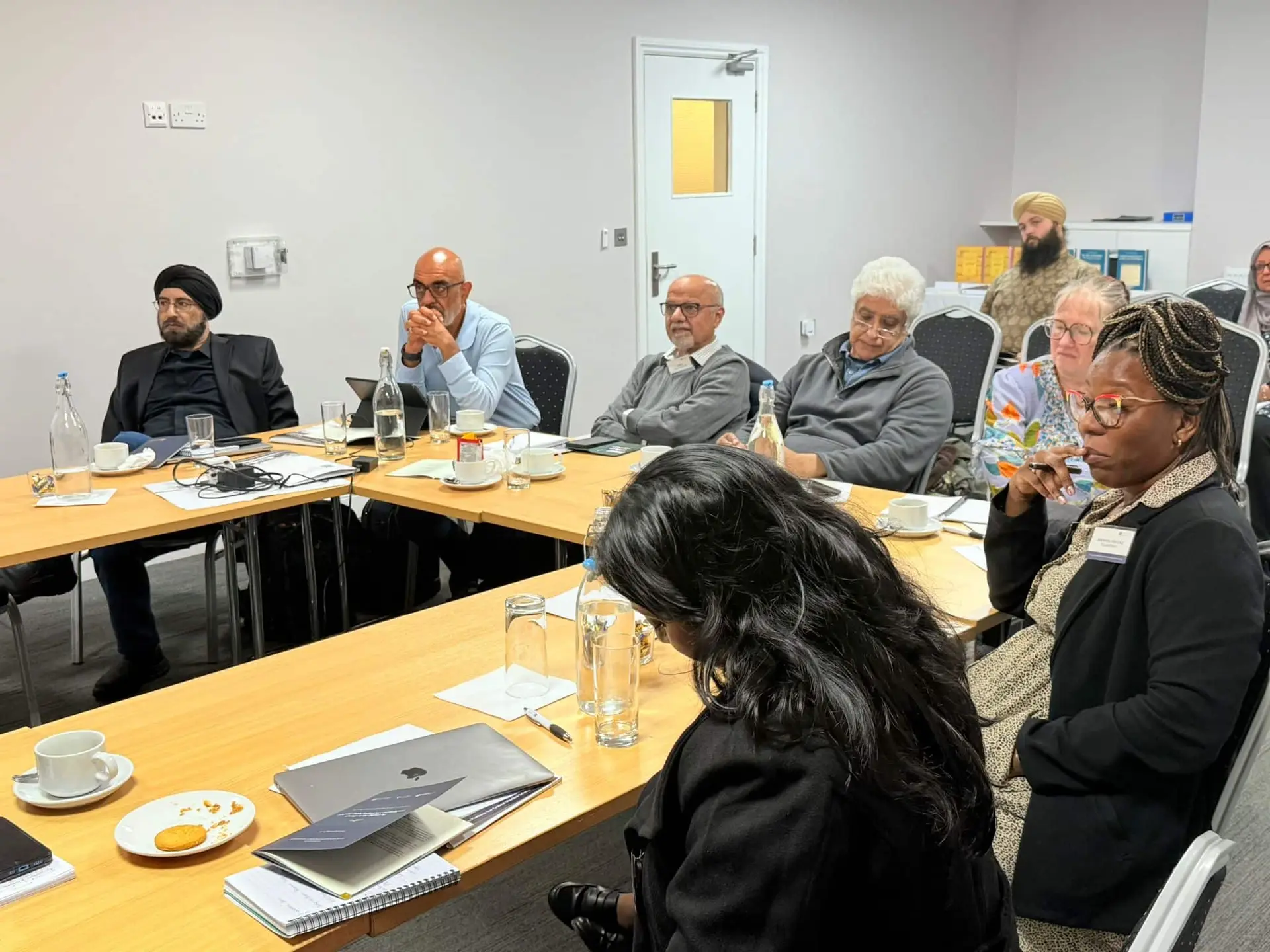
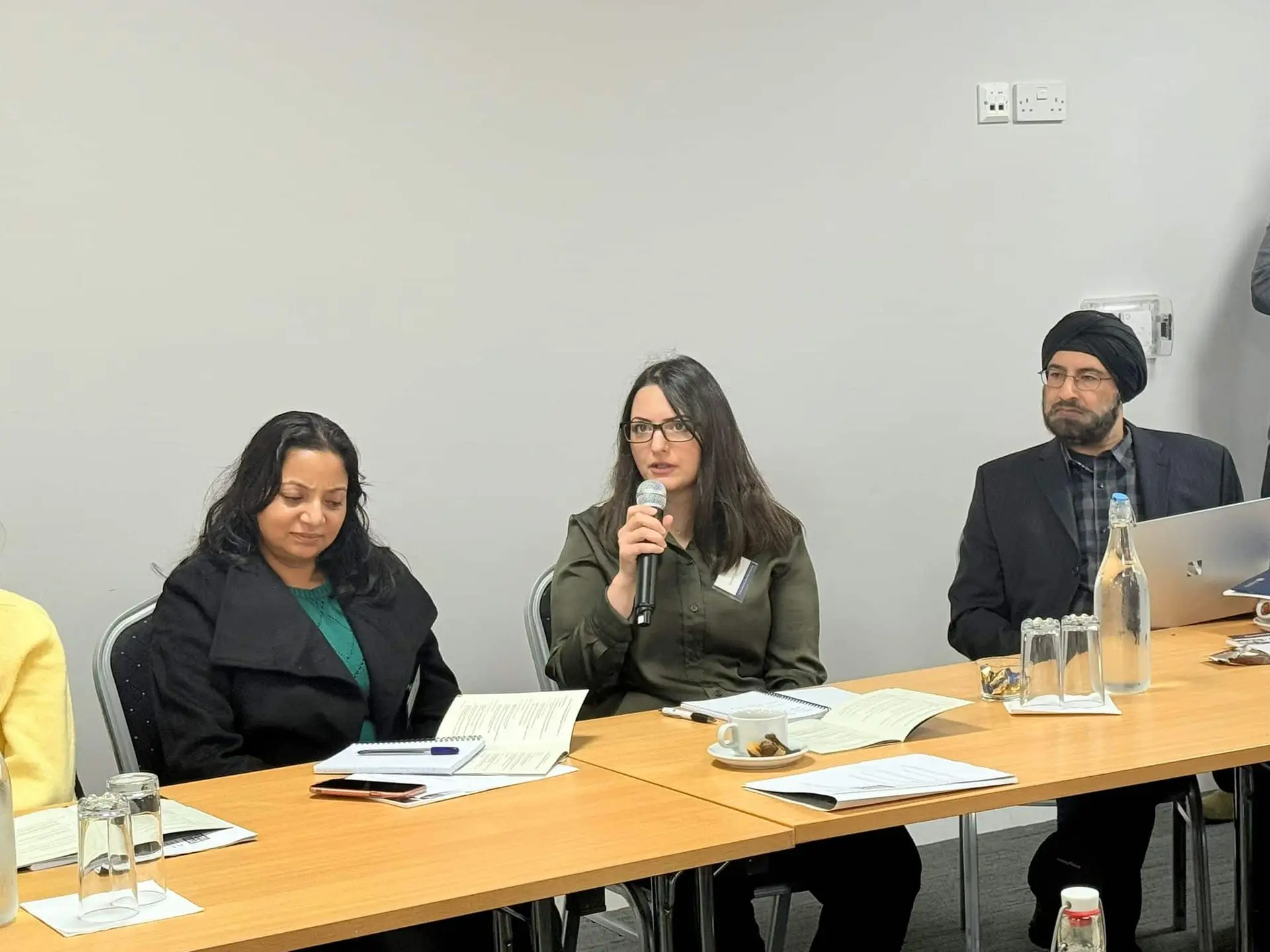
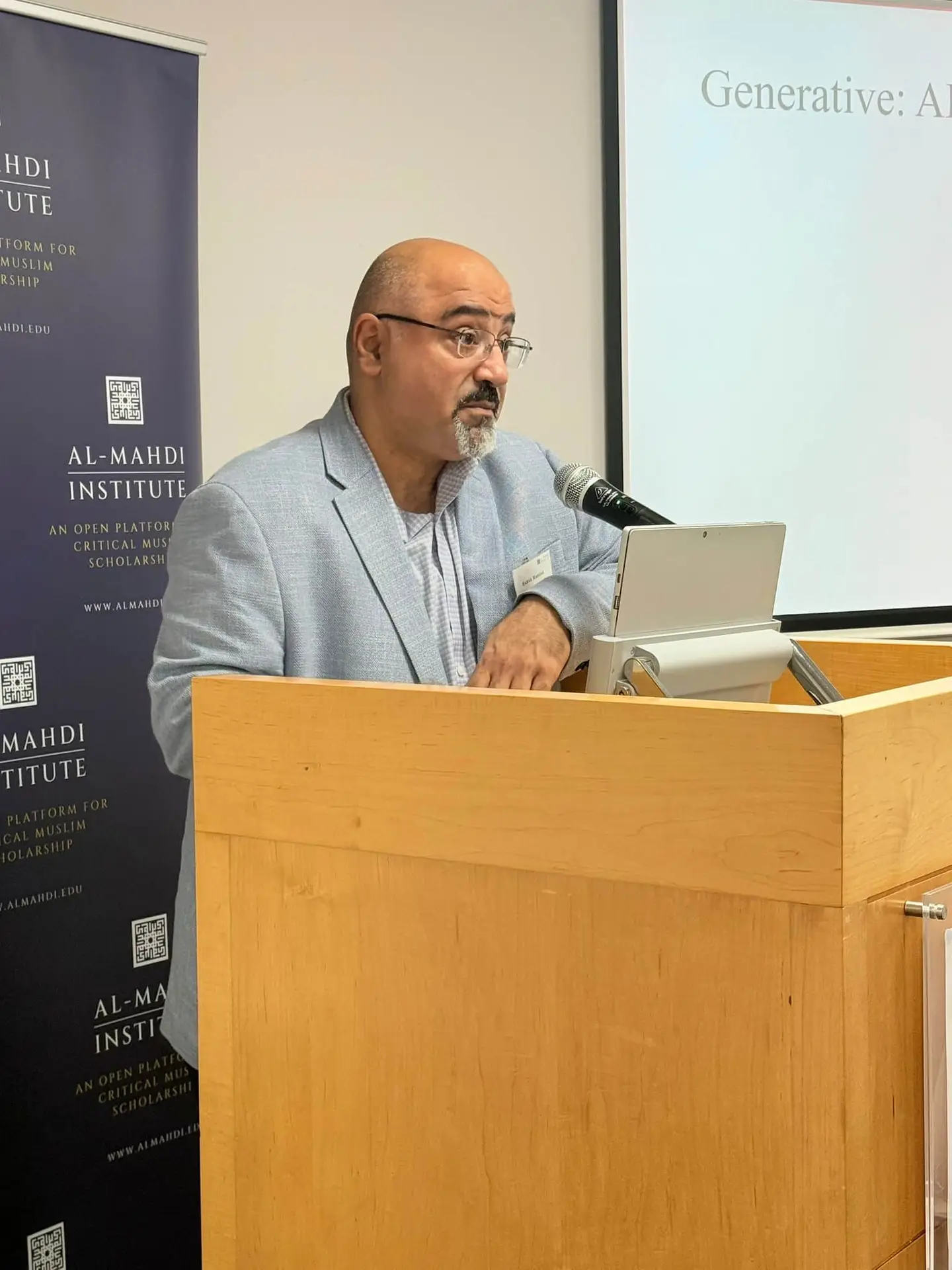
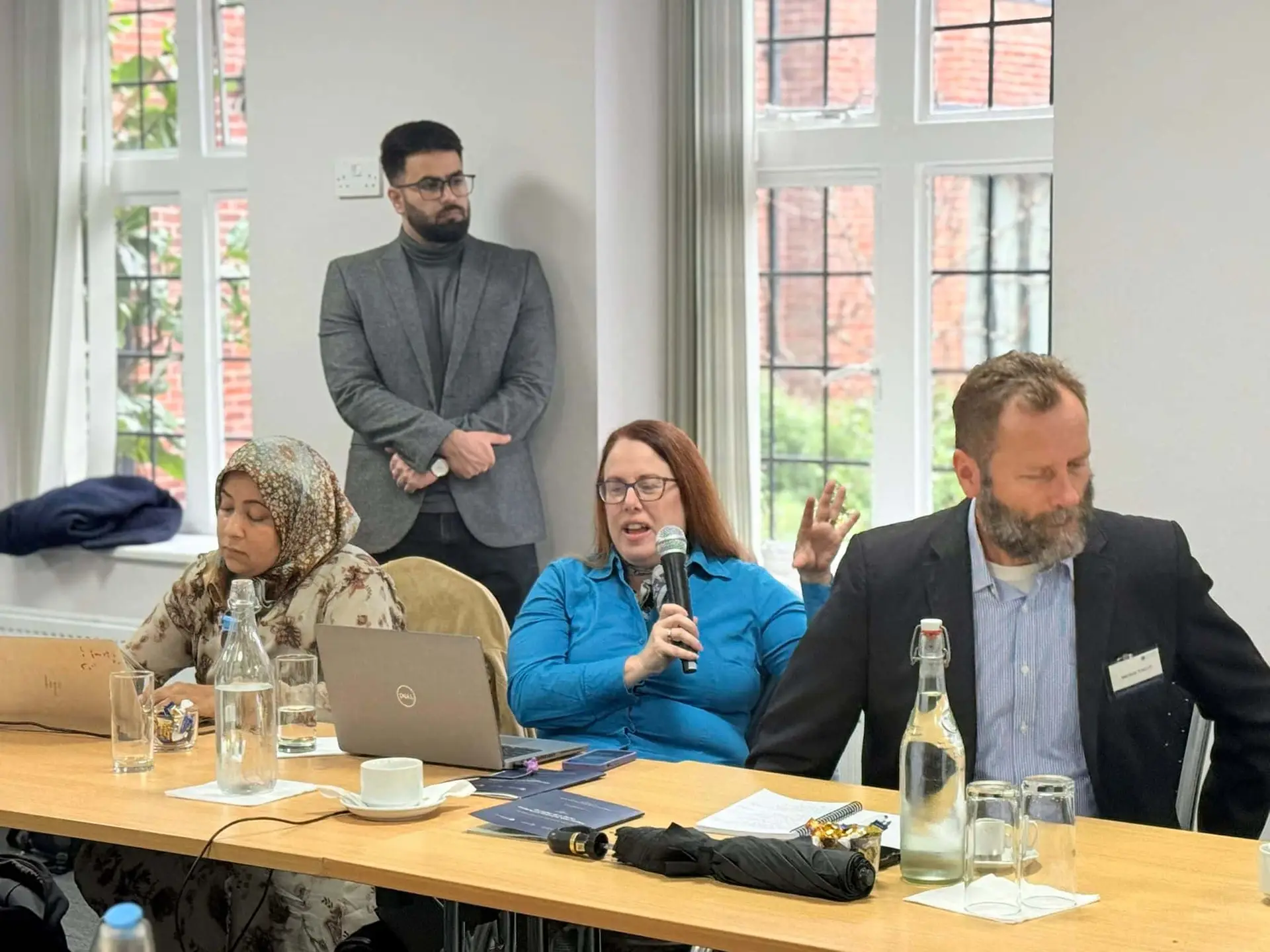
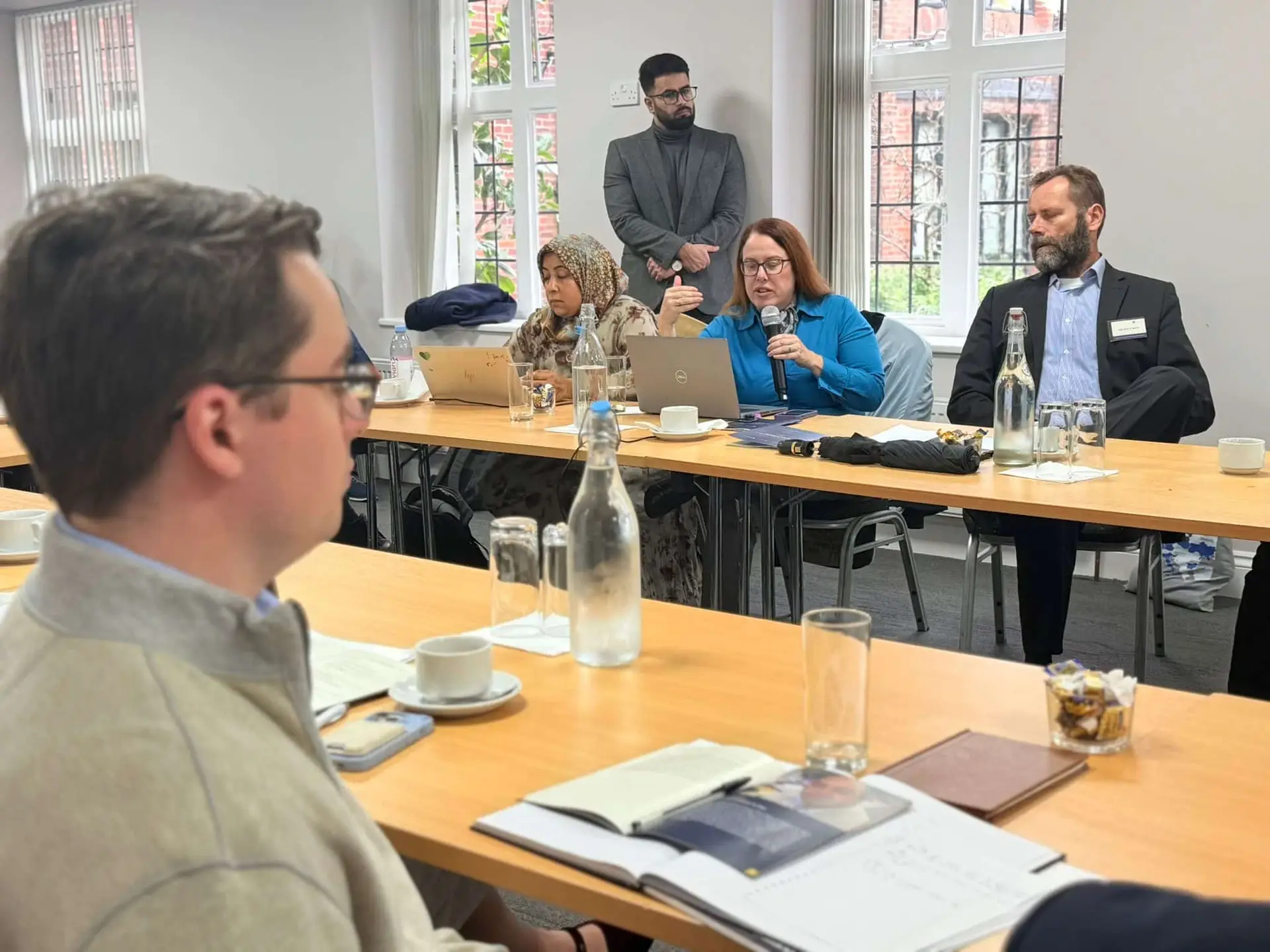
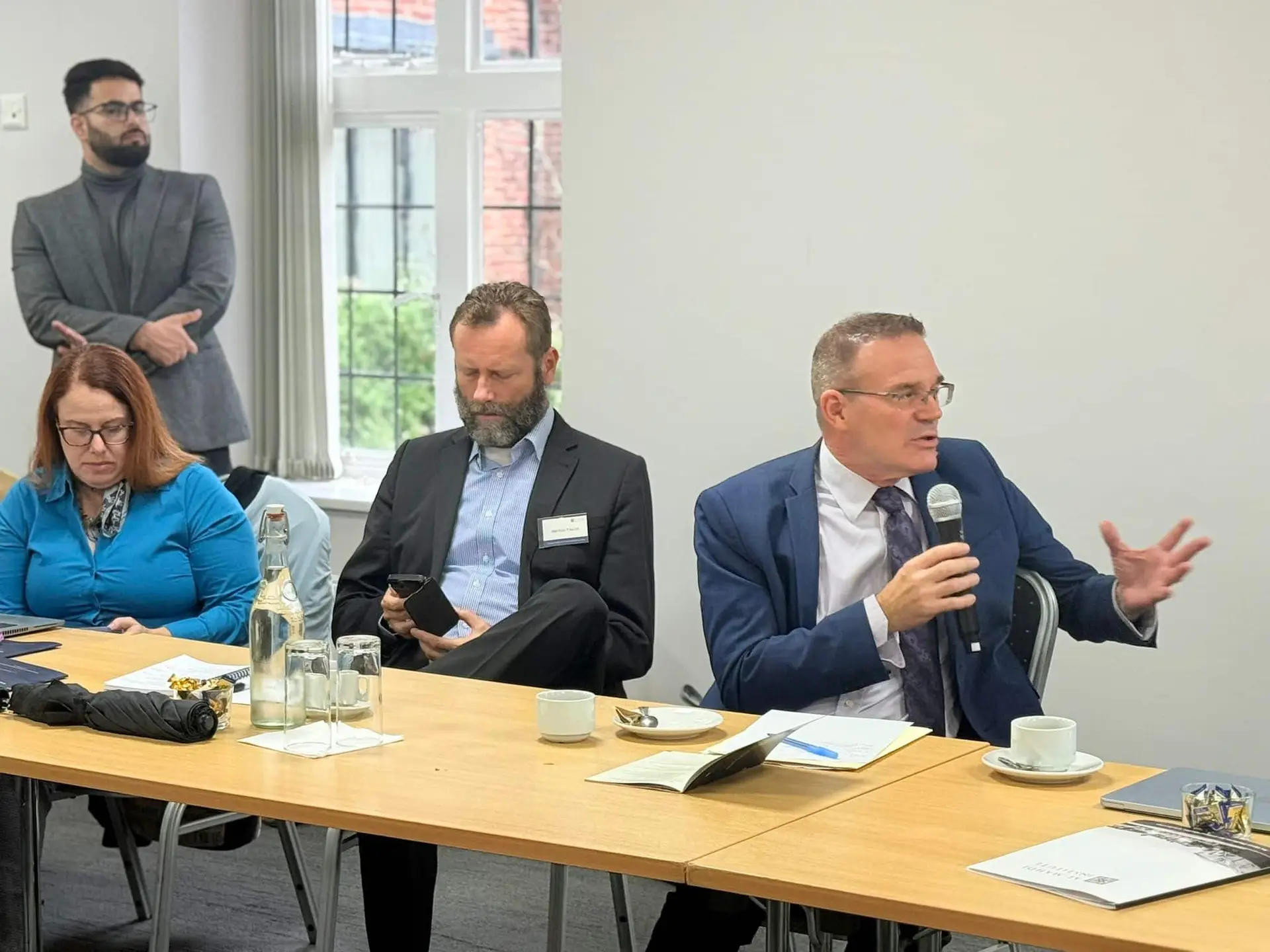
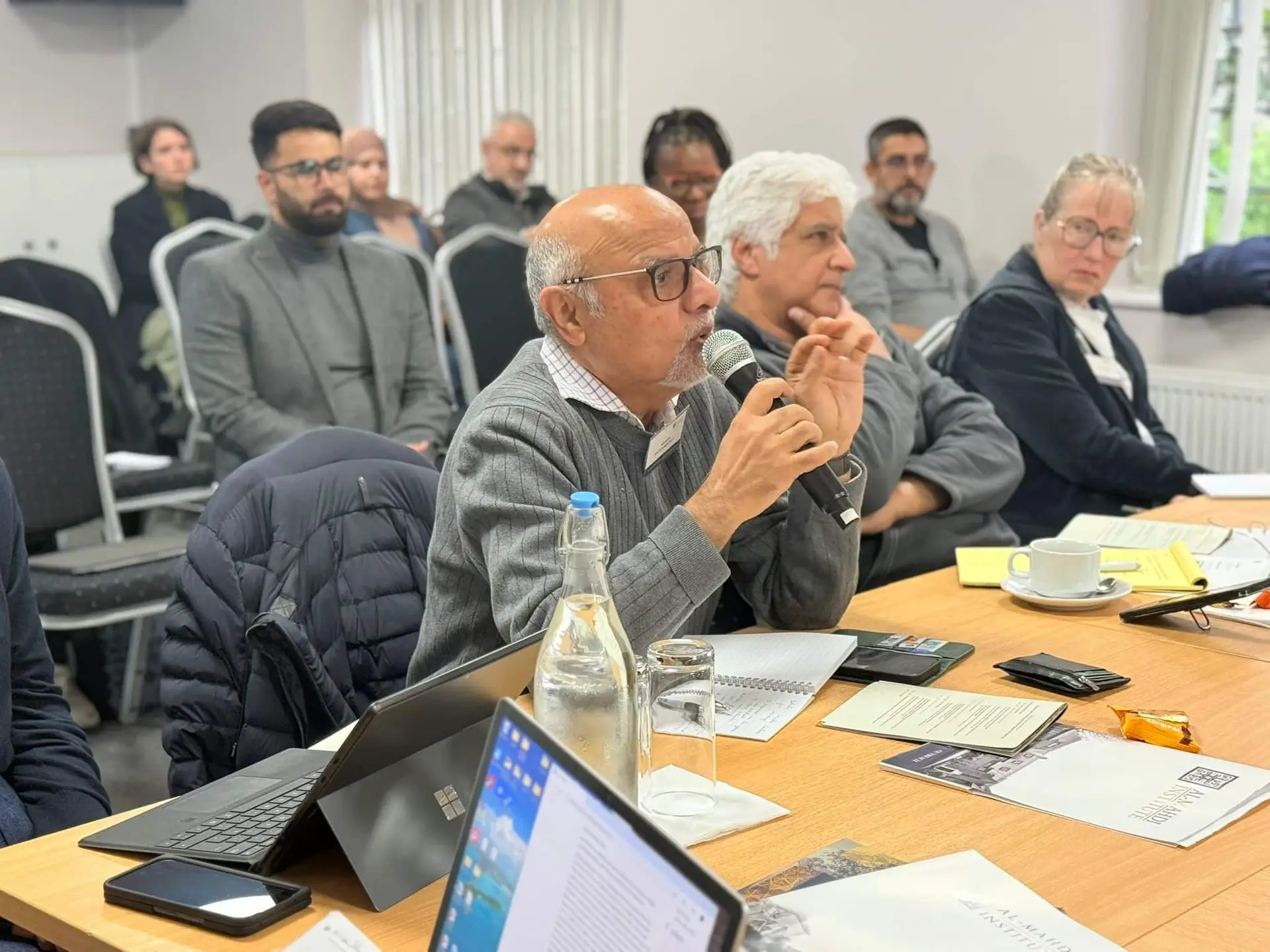
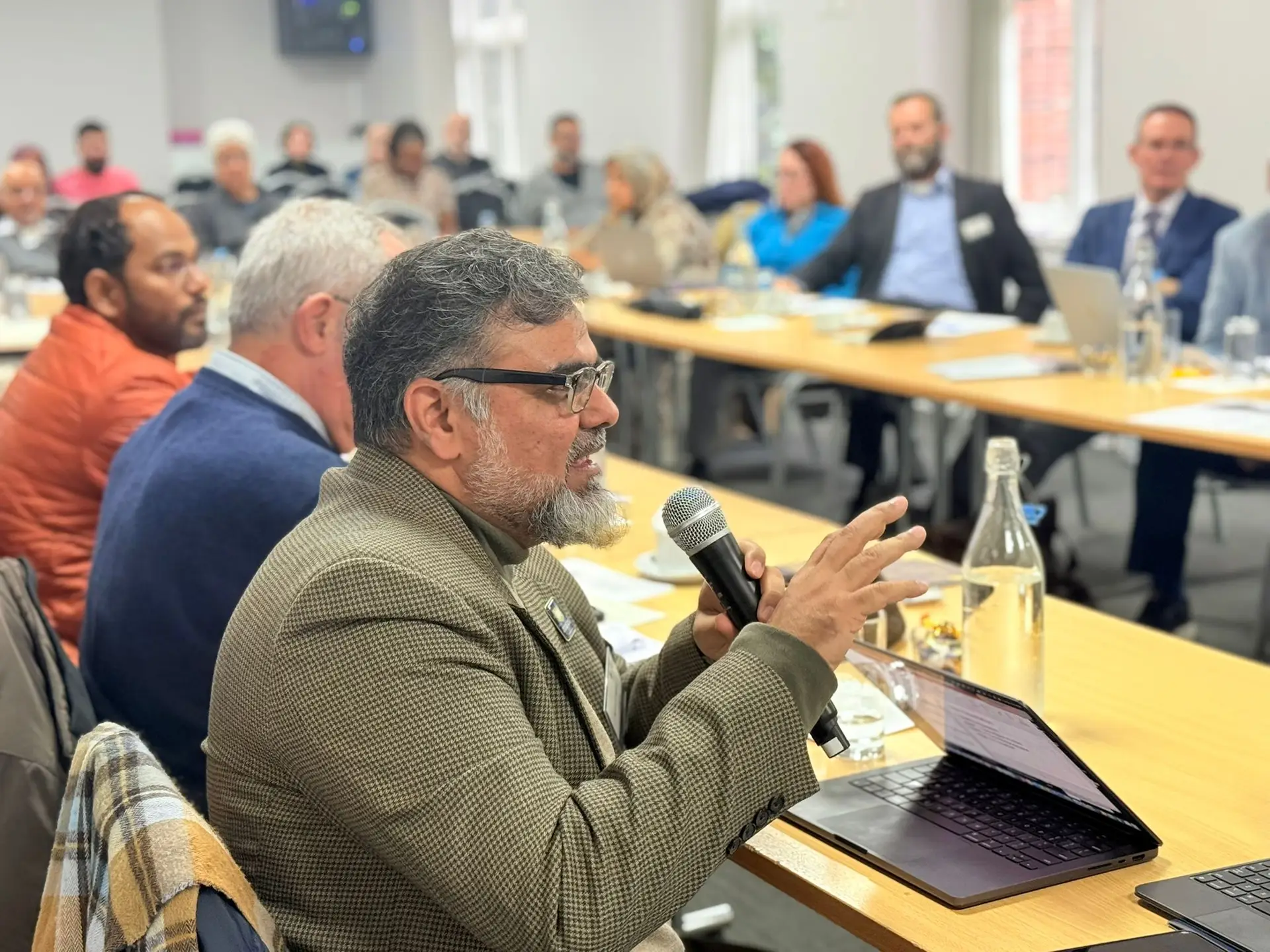
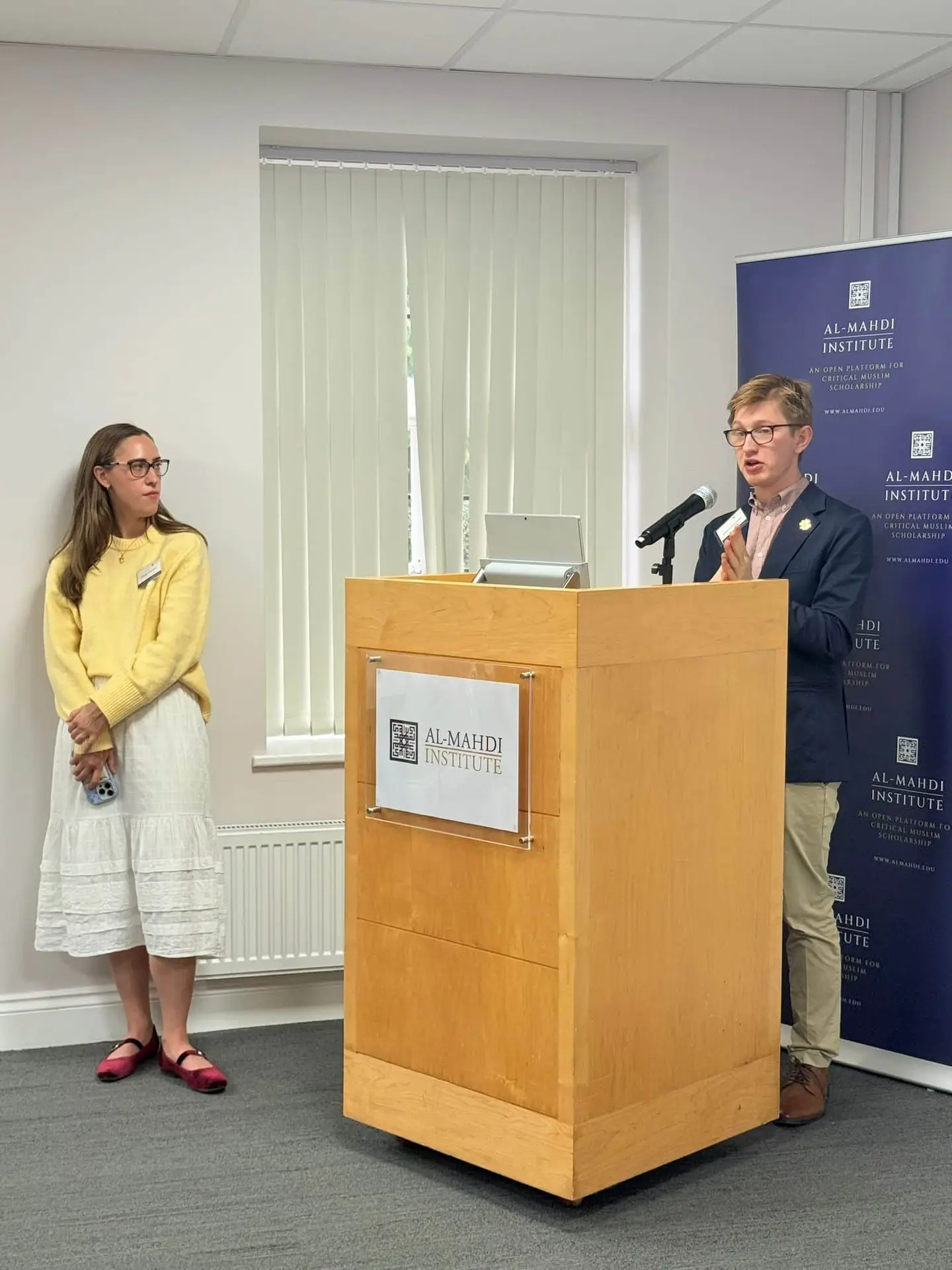
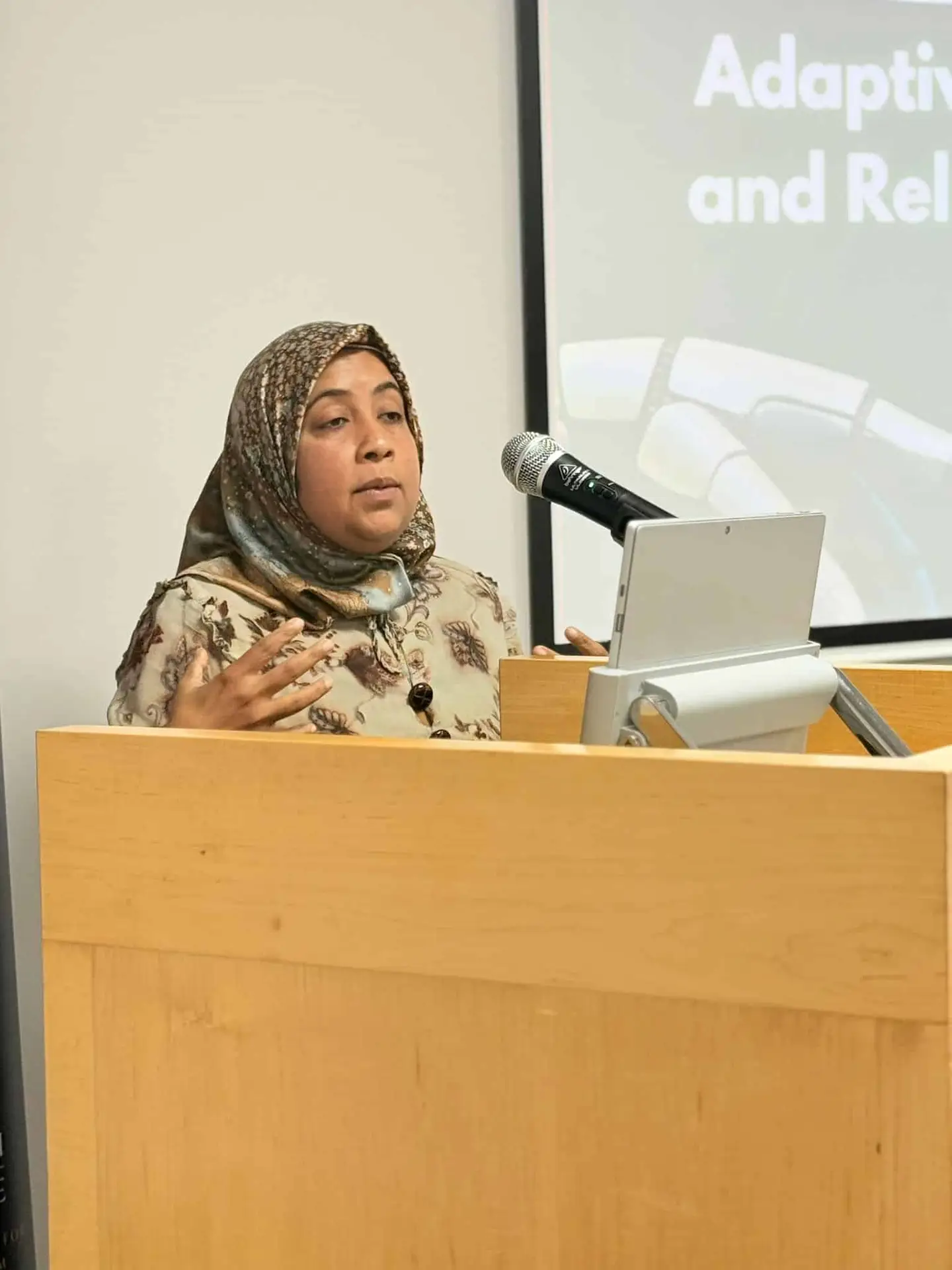
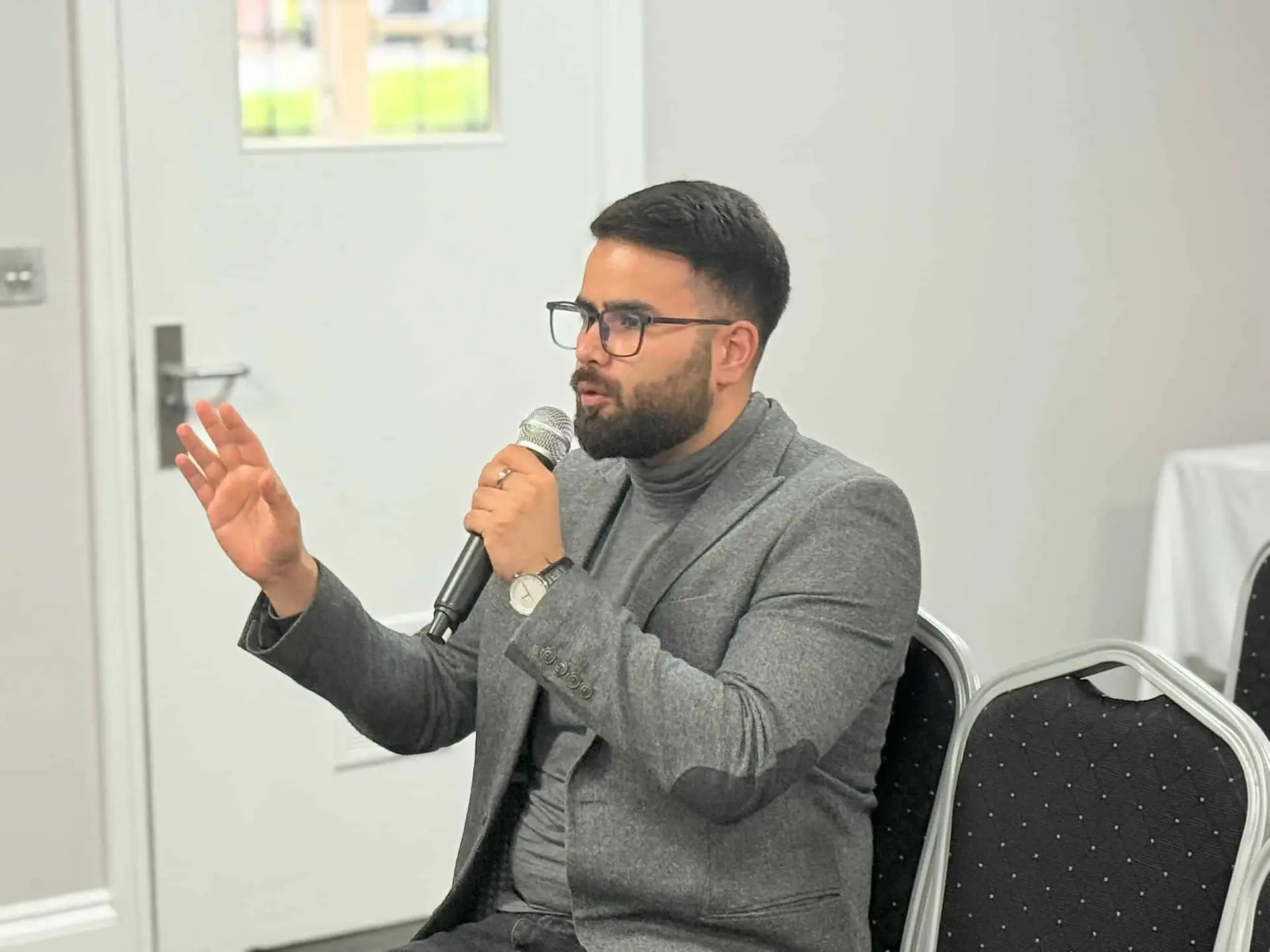
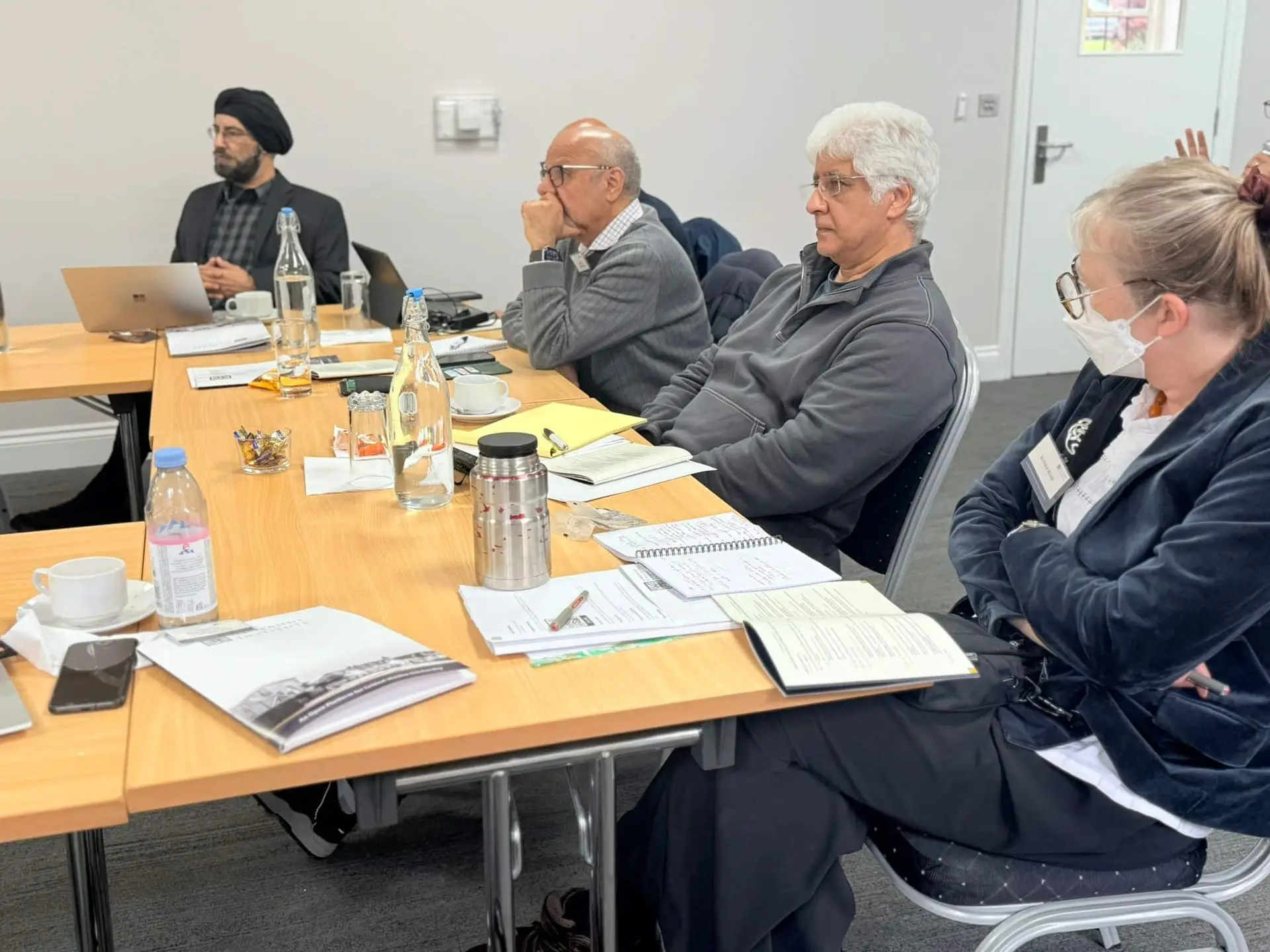
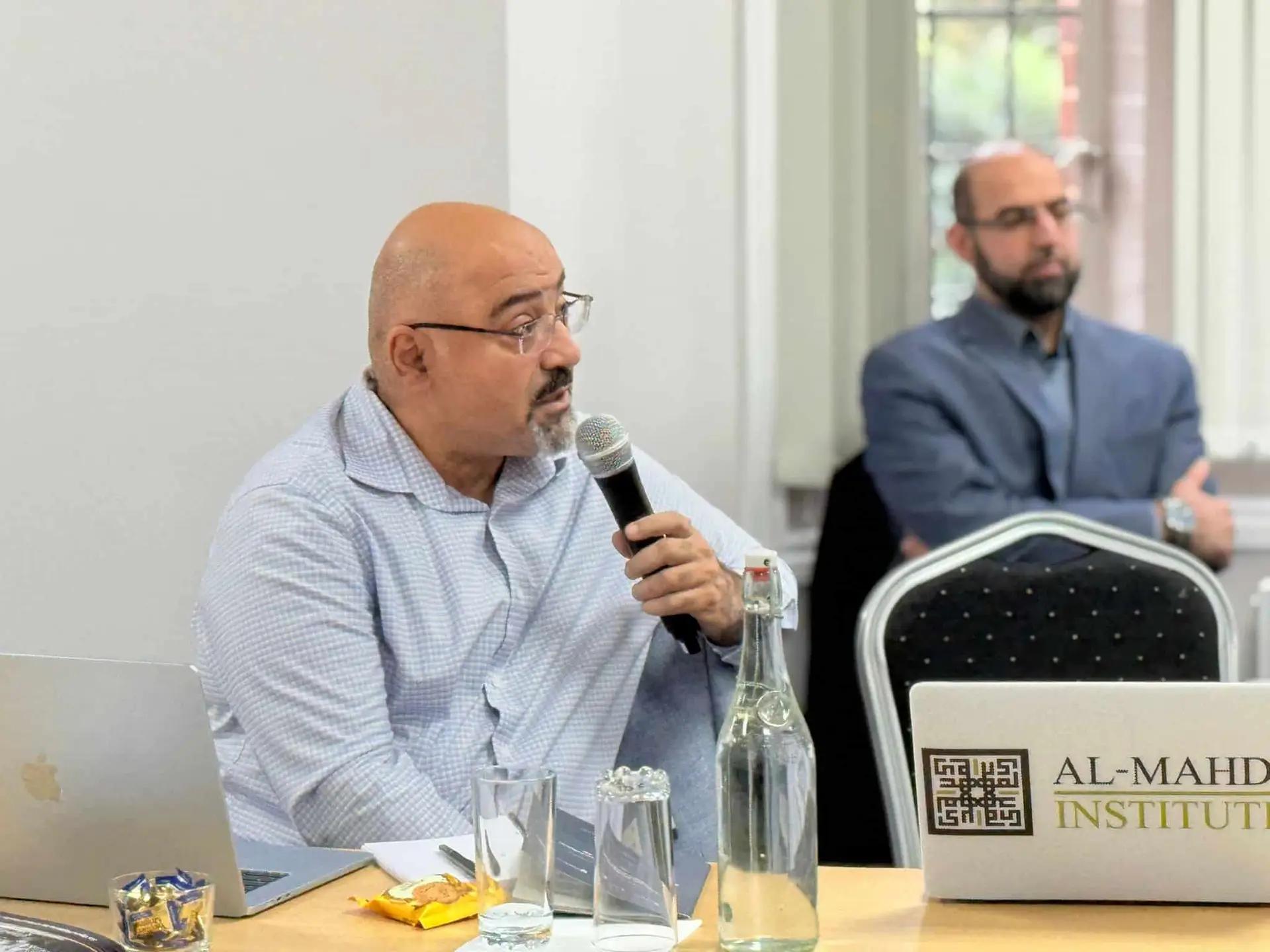
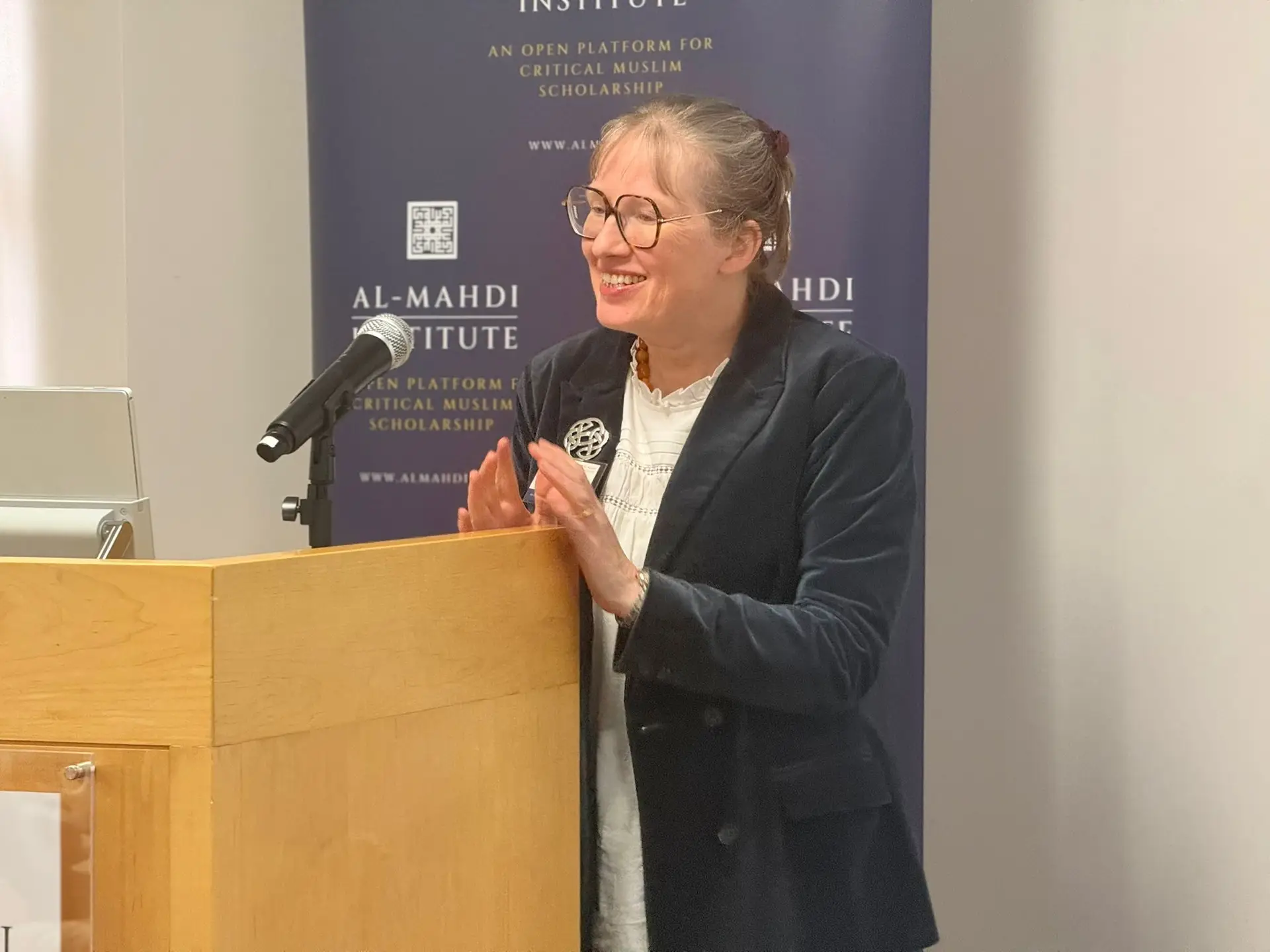
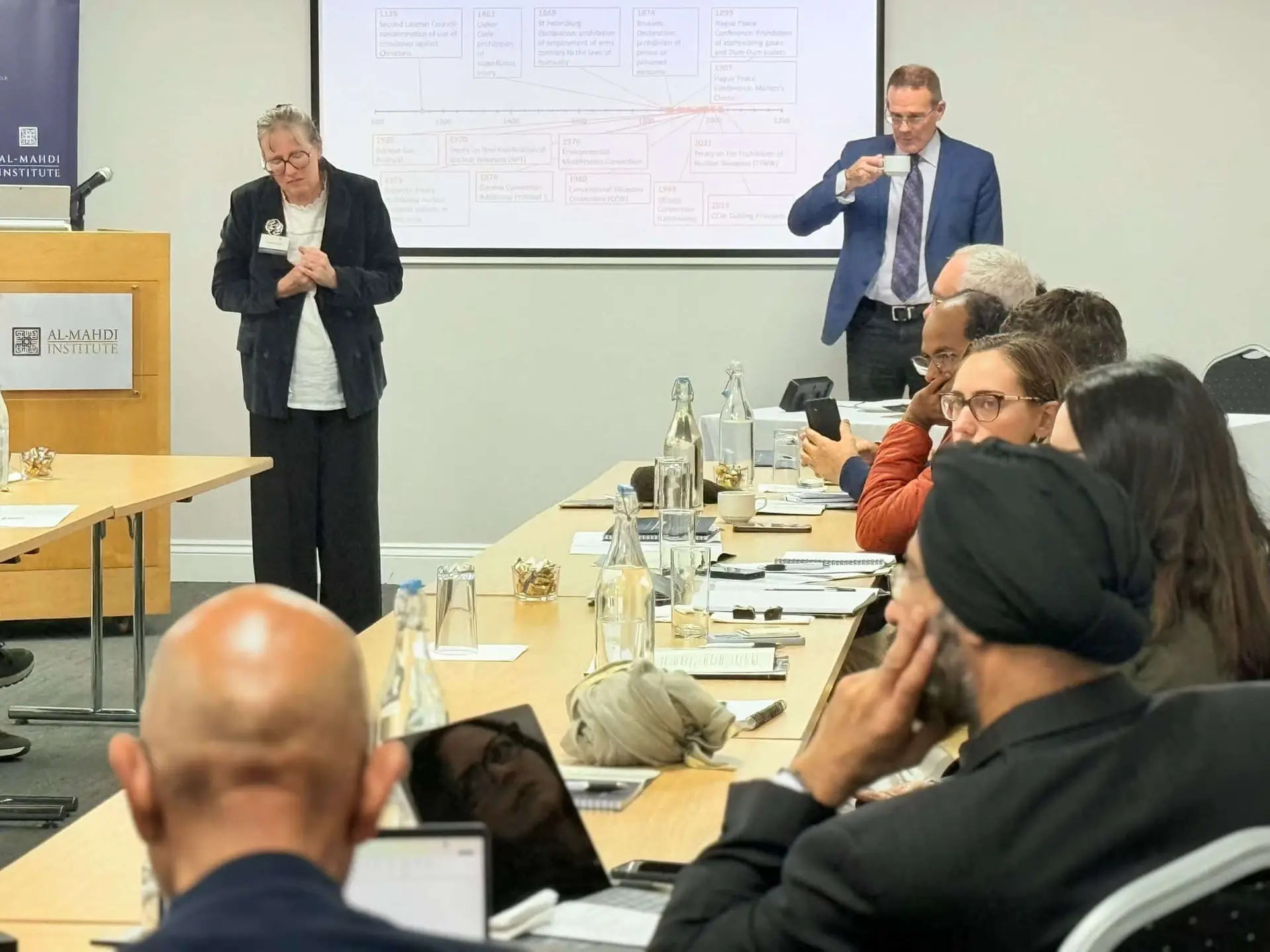
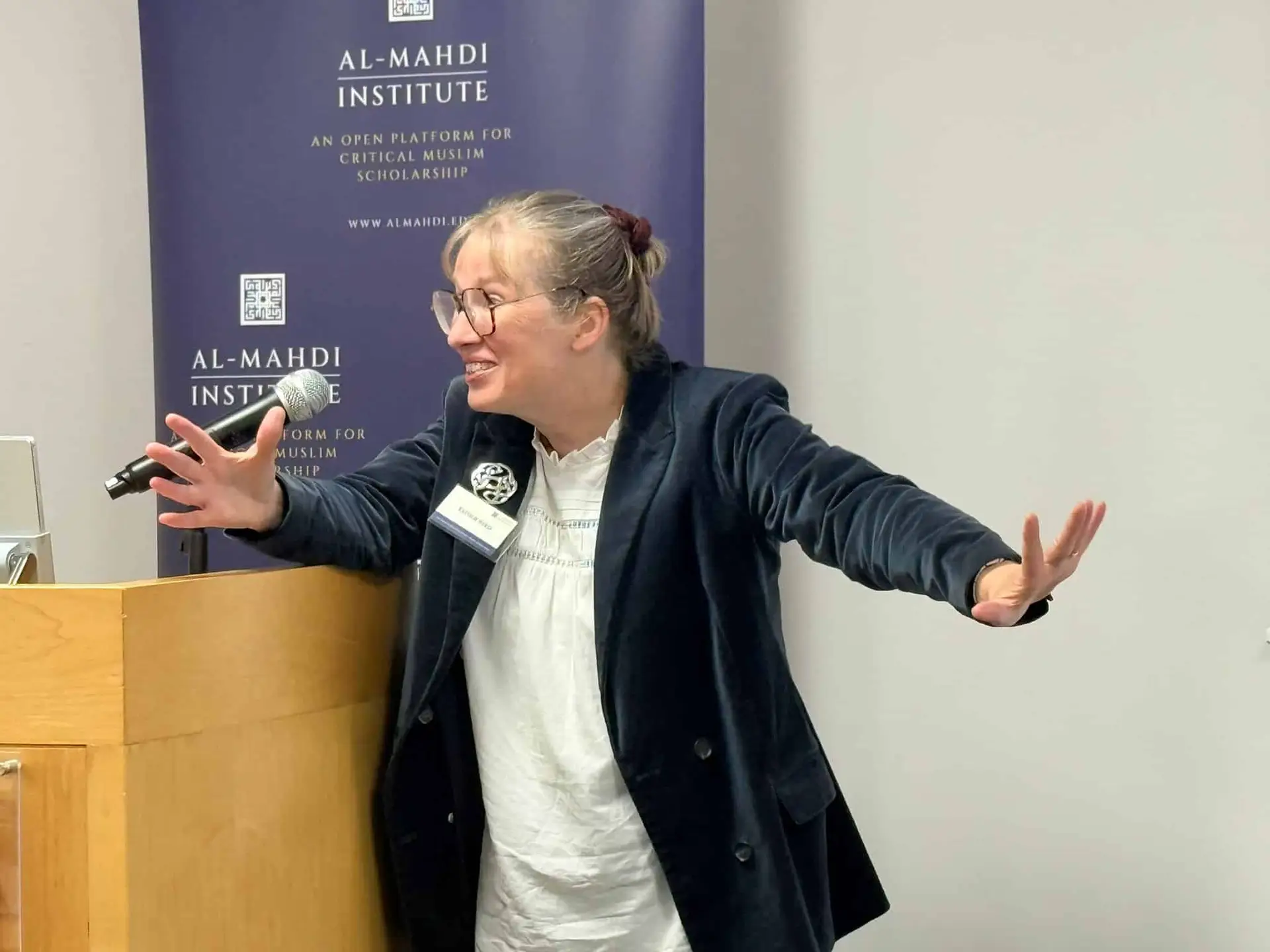
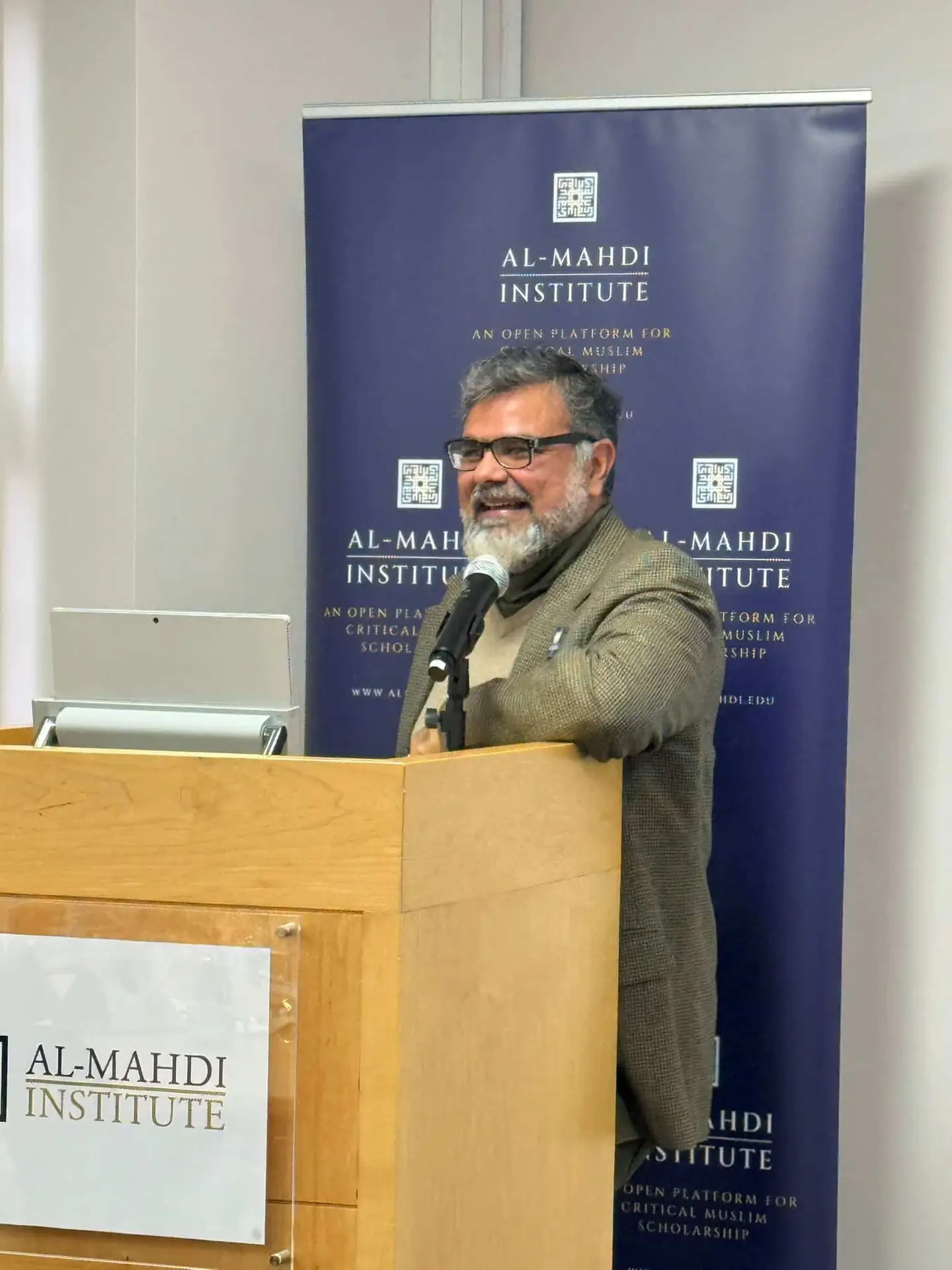
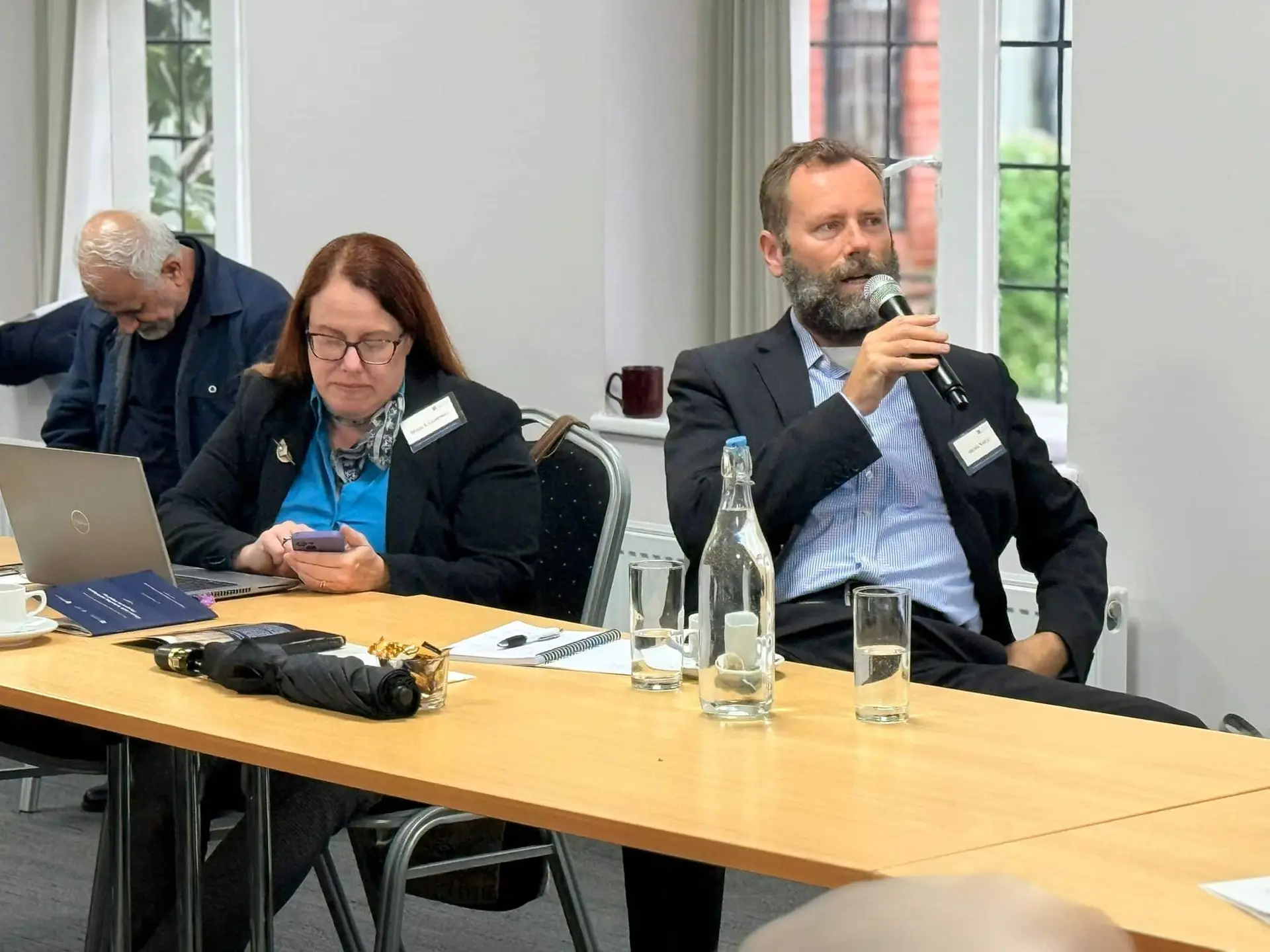
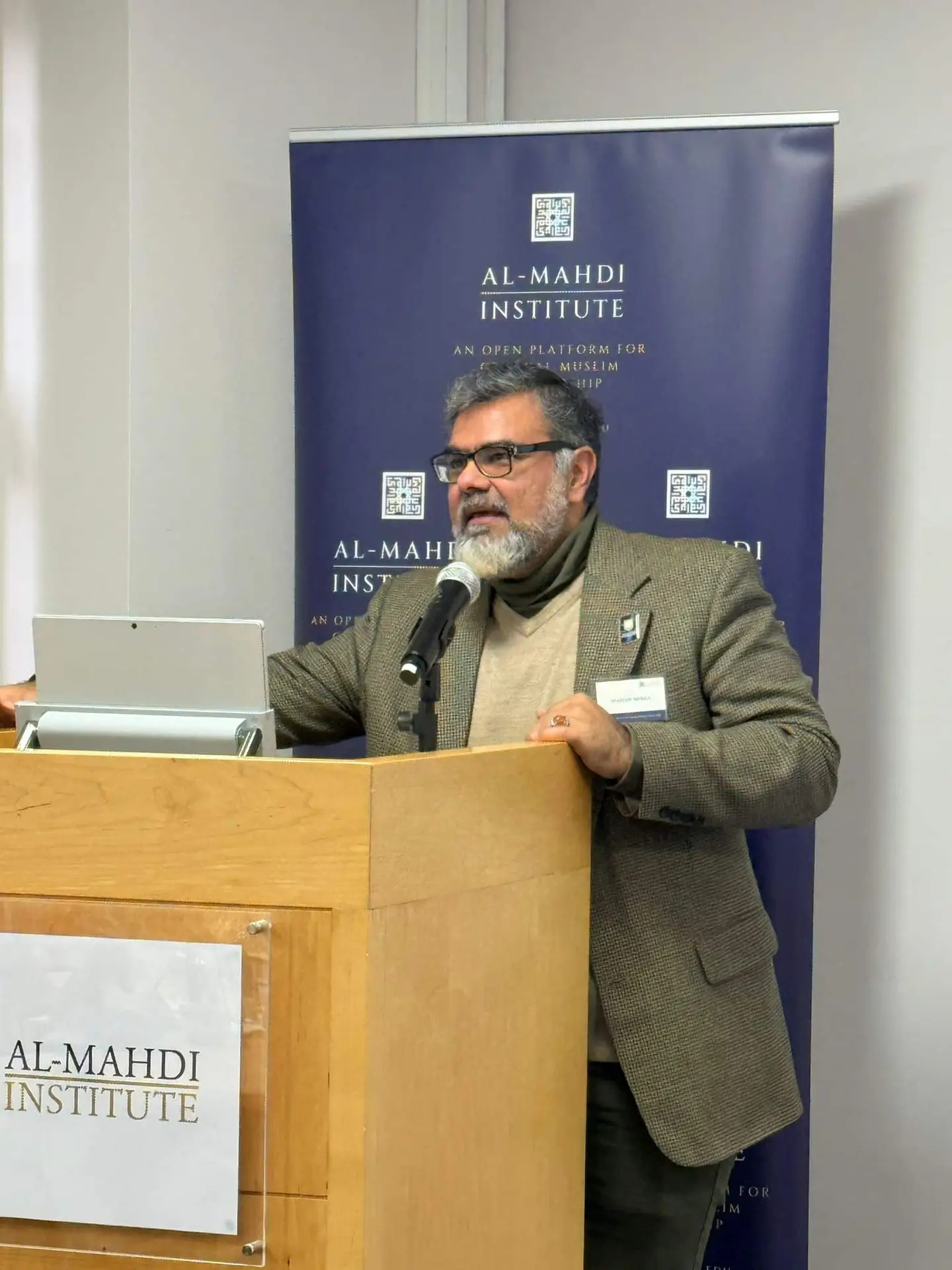
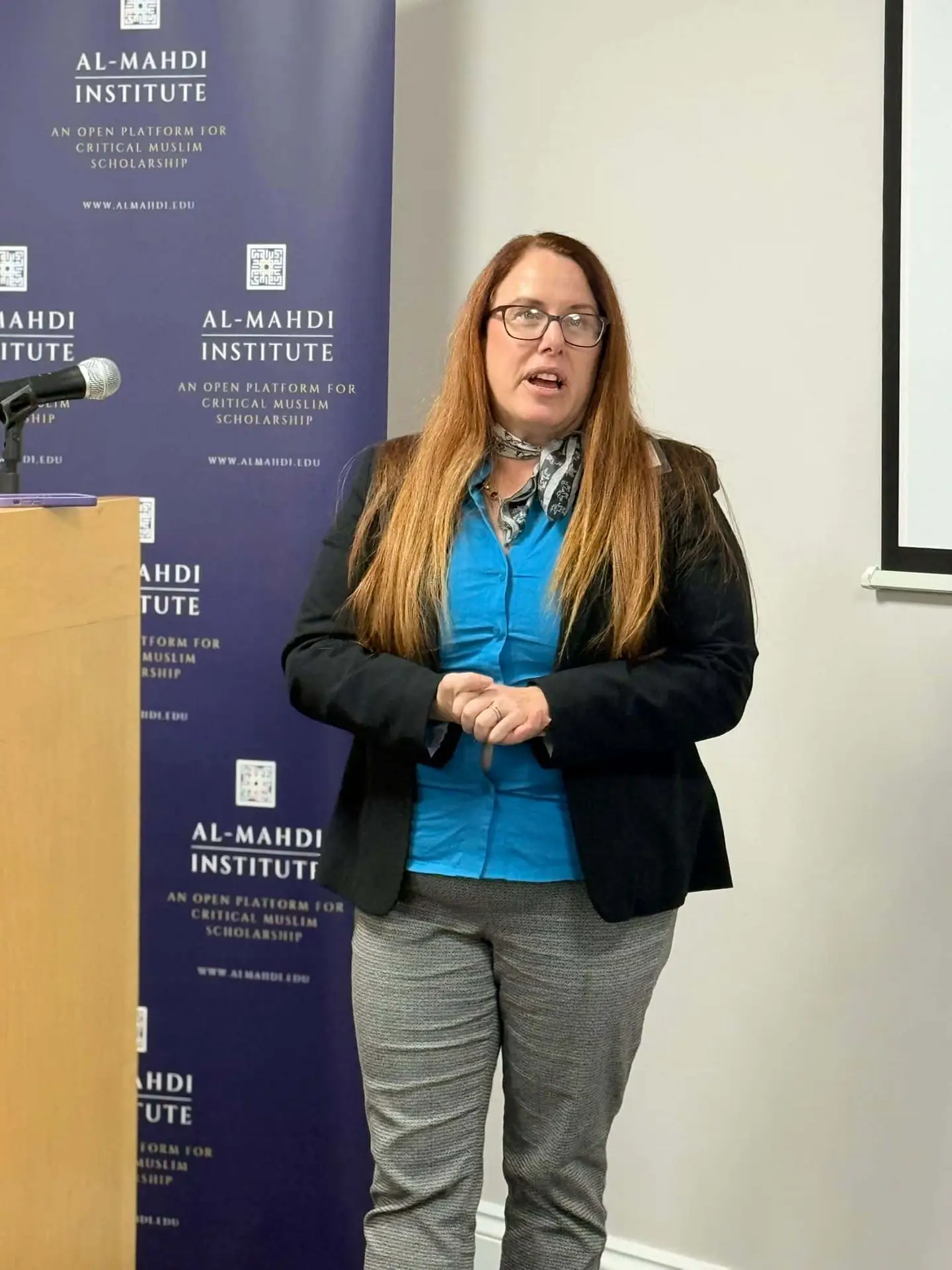
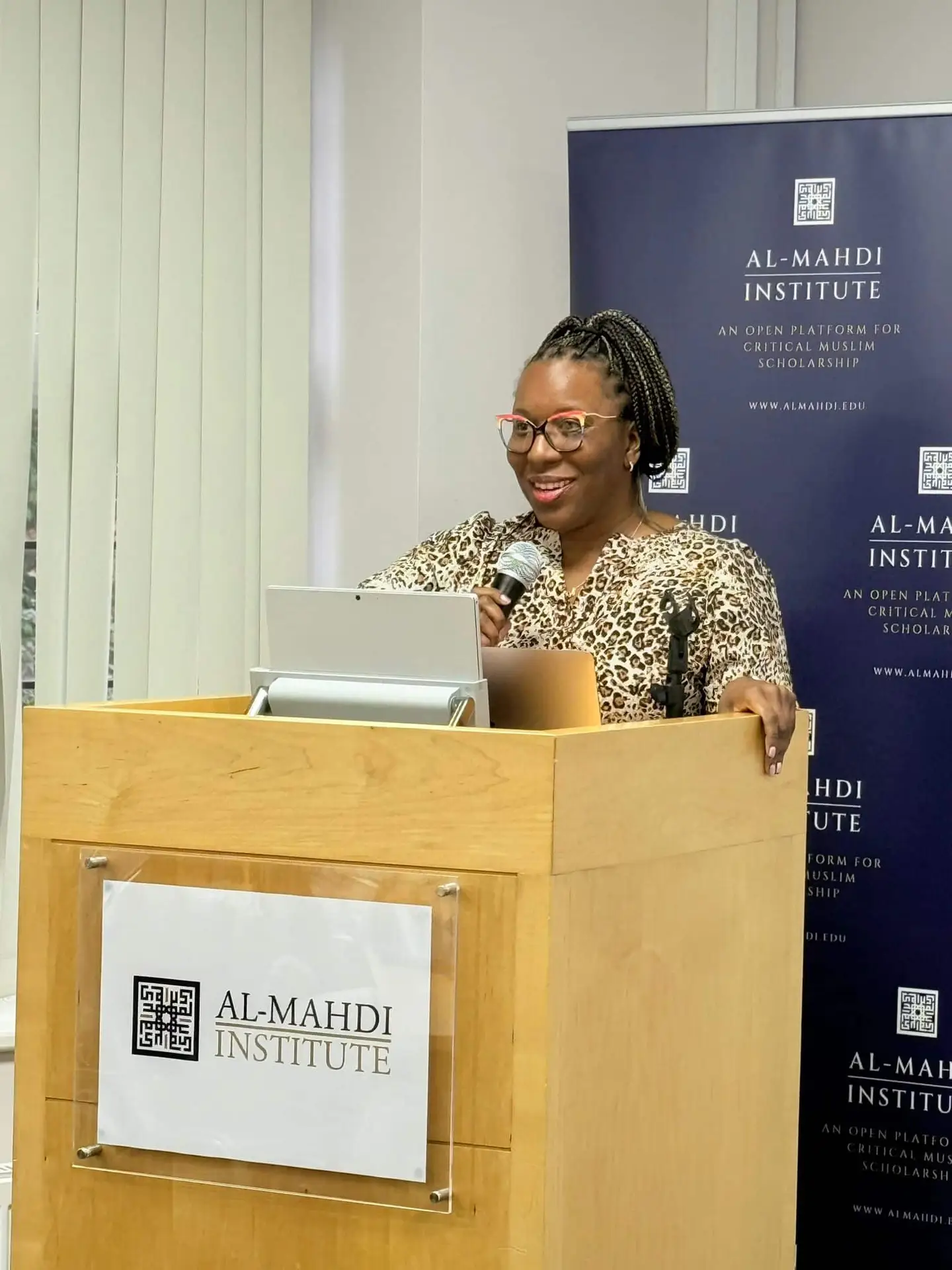
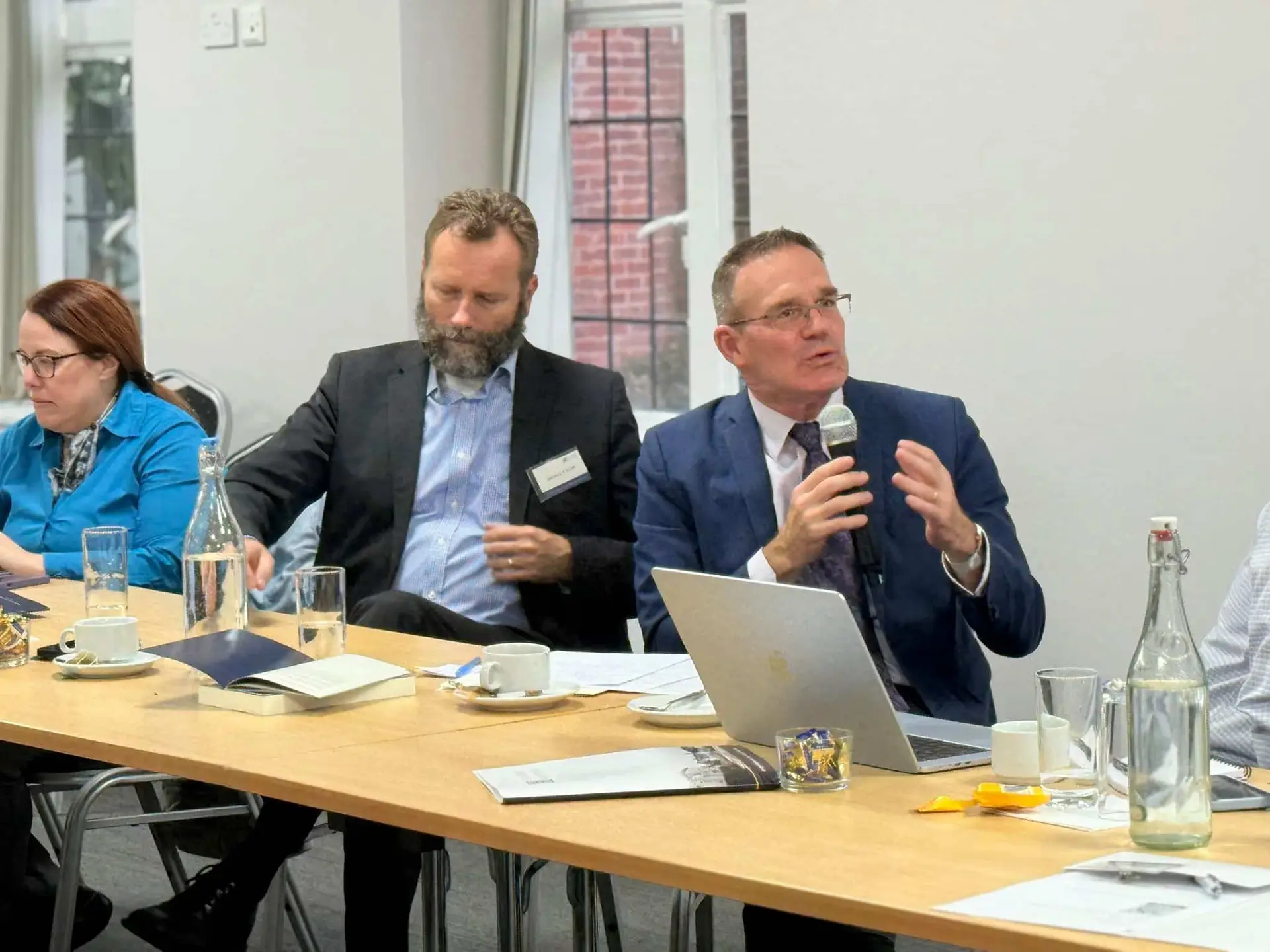
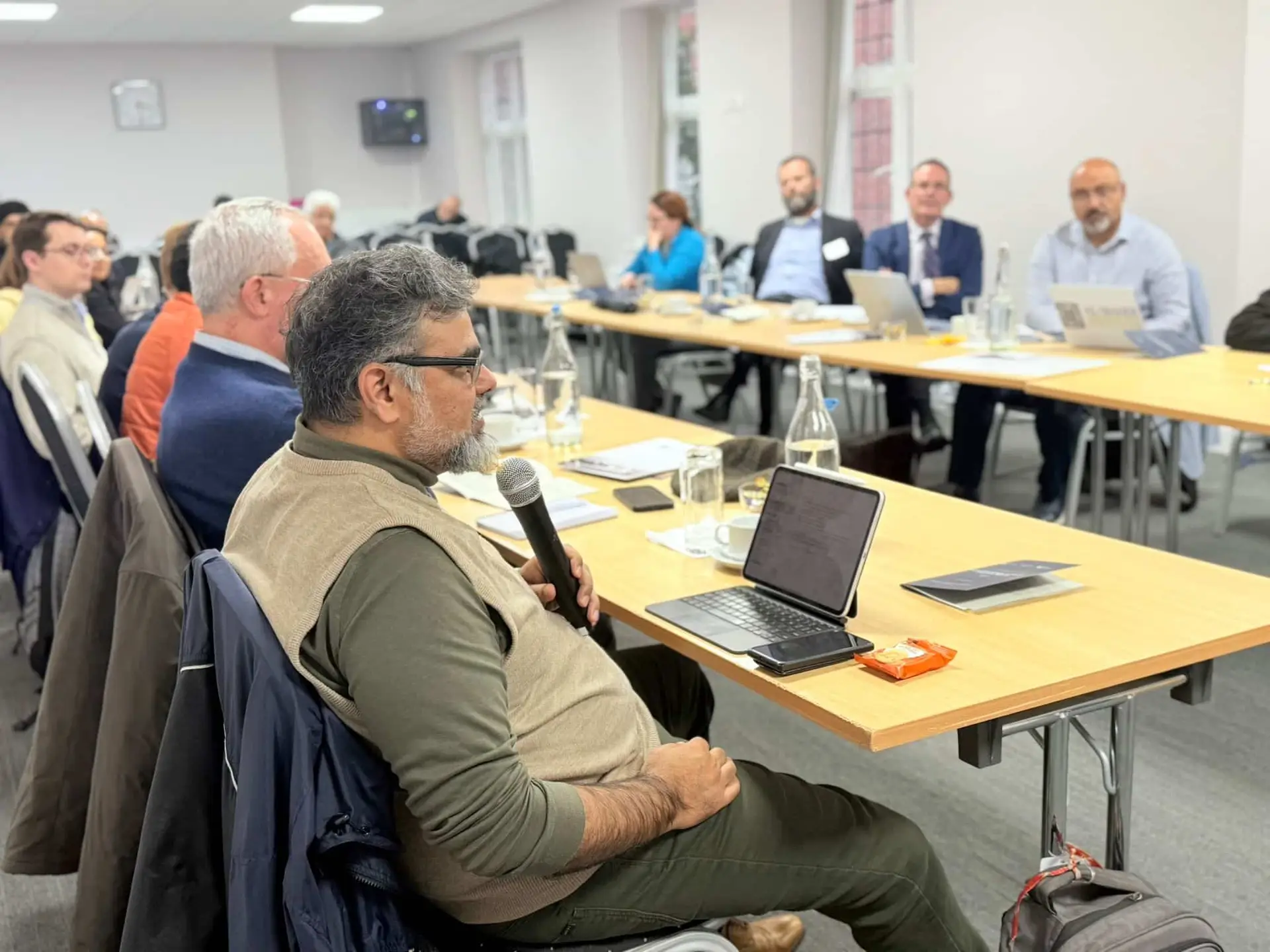
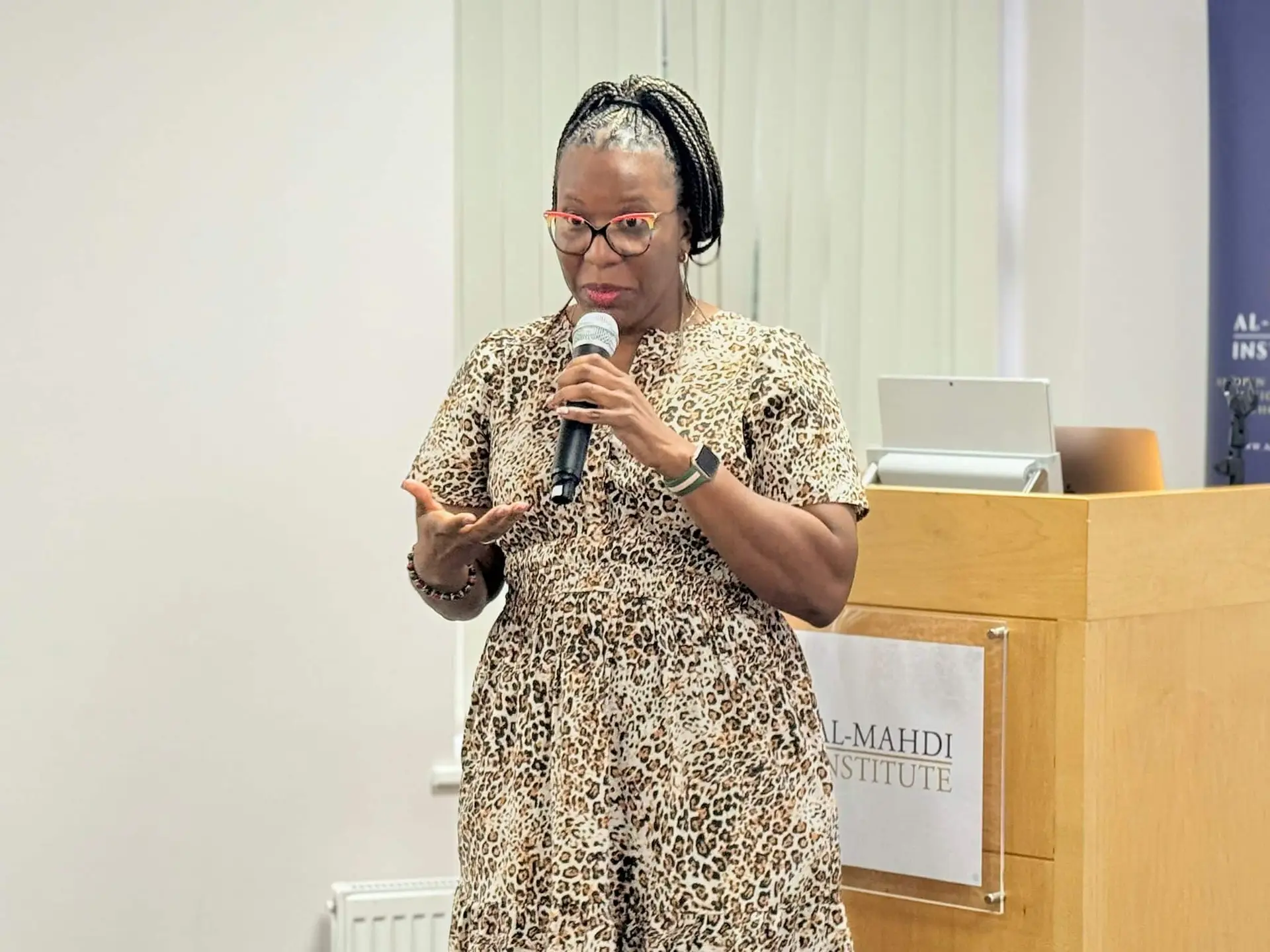
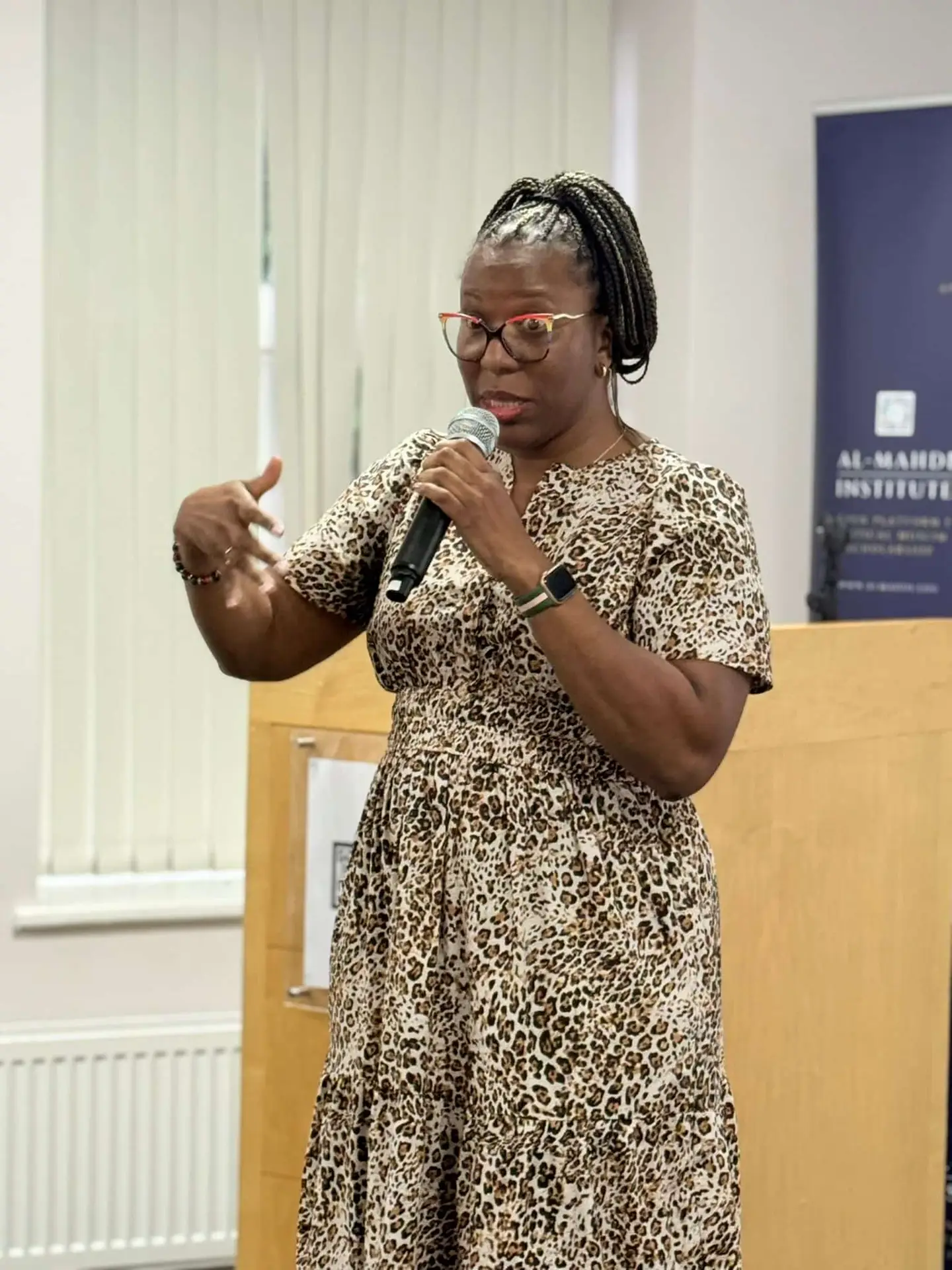
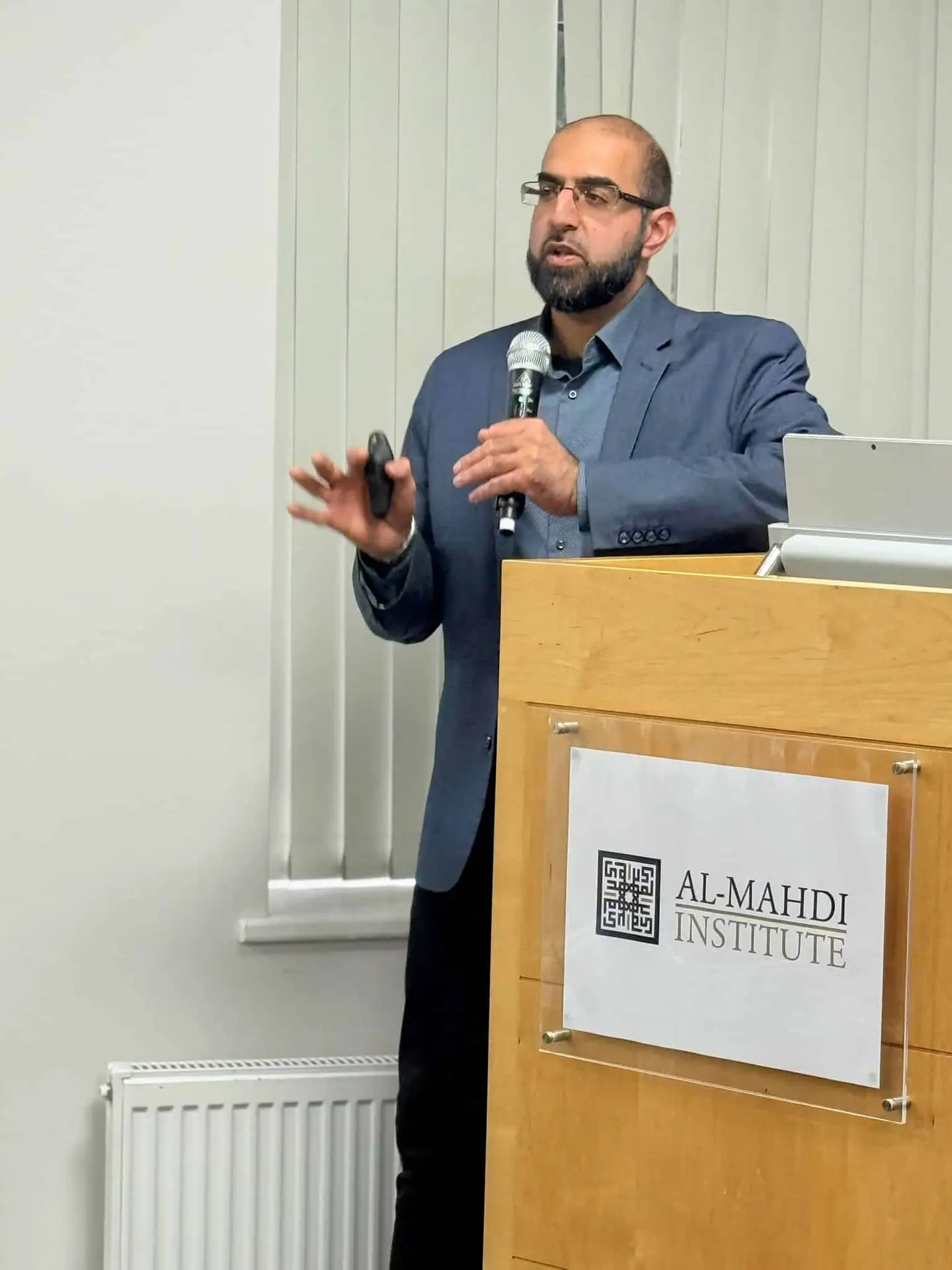
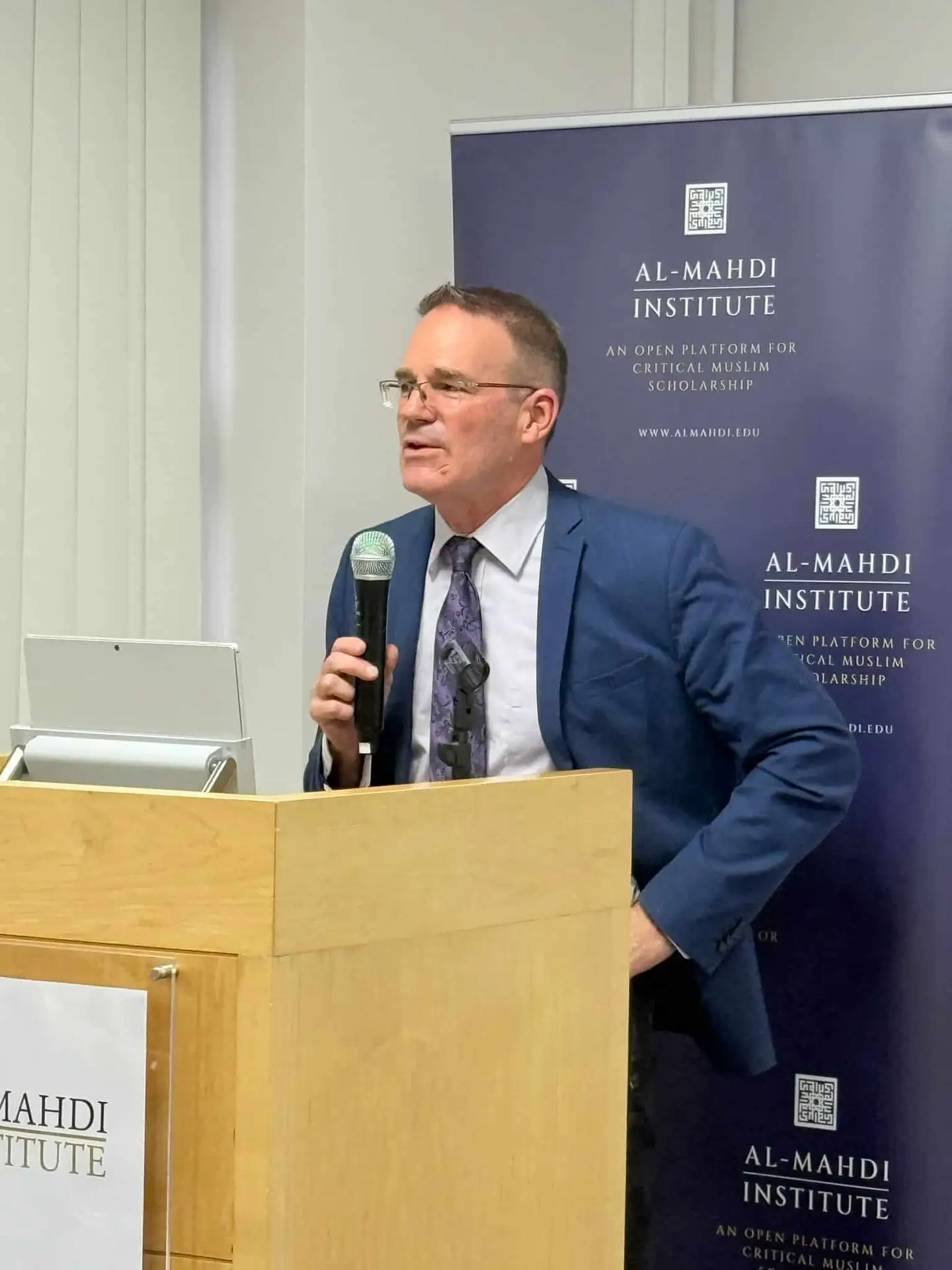
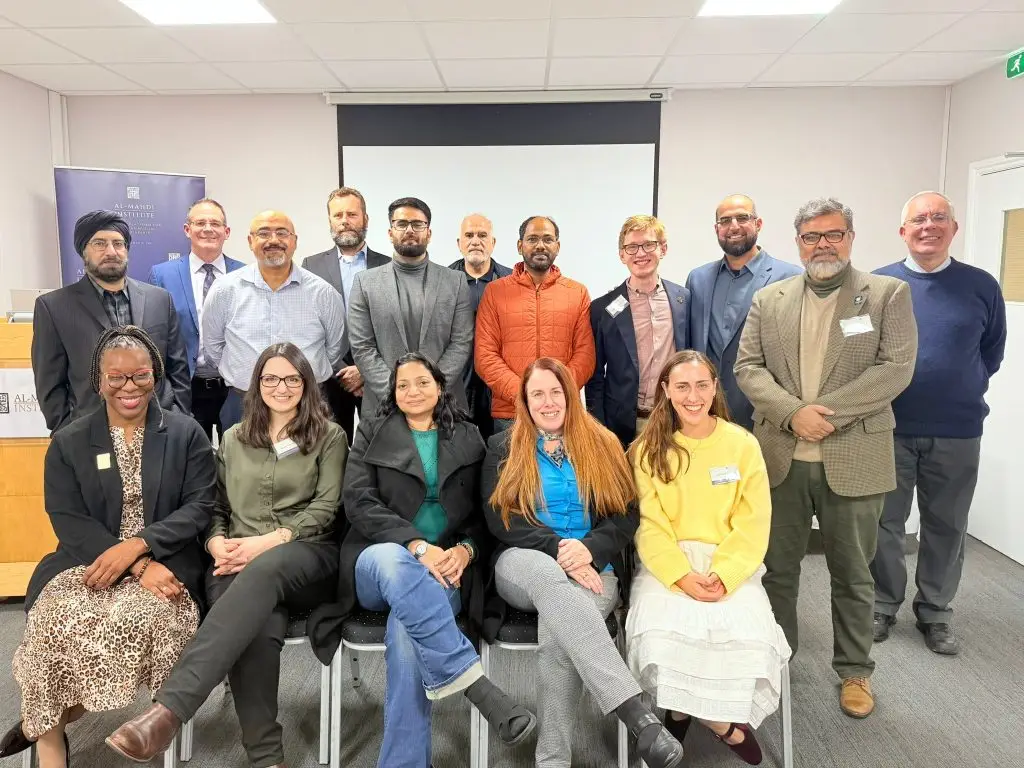
Al-Mahdi Institute (AMI), through its Muslims, Societies, and Cultures research area, in collaboration with The McLean Center for Research in Cultures and Values at The Catholic University of America, convened an international conference titled “Adaptive Faith: Technology and Religious Change in the Digital Age” from 3–4 November 2025. The event was also supported by The Ansari Institute for Global Engagement with Religion and The Tajir Trust.
This interdisciplinary two-day gathering brought together leading scholars of philosophy, theology, cultural studies, and digital religion from across the globe. The conference sought to examine how technological advancements – ranging from artificial intelligence and biotechnology to digital media and transhumanist theory – are reshaping religious belief, practice, and moral discourse across diverse traditions.
Concept and Aims
The conference explored how religious traditions are adapting to the transformations of the digital and post-digital eras. Rooted in the theme of “Adaptive Faith”, it addressed the growing entanglement of spirituality, technology, and human identity in an age marked by algorithmic governance, cybernetic systems, and digital mediation.
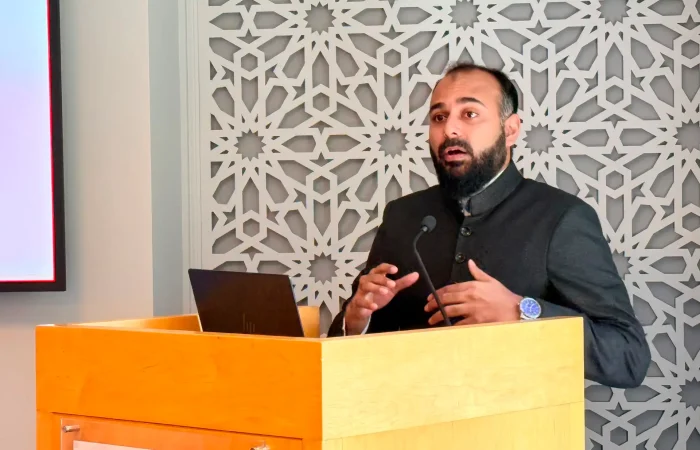
In their opening remarks, the primary co-convenors, Dr Muhammed Reza Tajri and Professor William A. Barbieri, highlighted the need for collaborative inquiry between theology, philosophy, and technology studies to understand faith’s evolving epistemic frameworks. This introduction underscored that religious traditions must not only respond to but also shape the ethical contours of technological modernity.
Day One — Monday, 3 November 2025
The day began with welcome addresses from Dr Muhammed Reza Tajri and Professor William A. Barbieri, setting the intellectual tone for discussions on technology’s moral and existential challenges.
Panel One: Ethics, Human Nature and AI’s Challenge
Dr Rahul Kumar Maurya (Banaras Hindu University) opened the session with a paper titled “Ethics, Human Nature and AI’s Challenge”, tracing the philosophical lineage of moral reasoning from Plato to Kant, and confronting AI’s implications for ethical agency and moral philosophy through both Western and Buddhist perspectives.
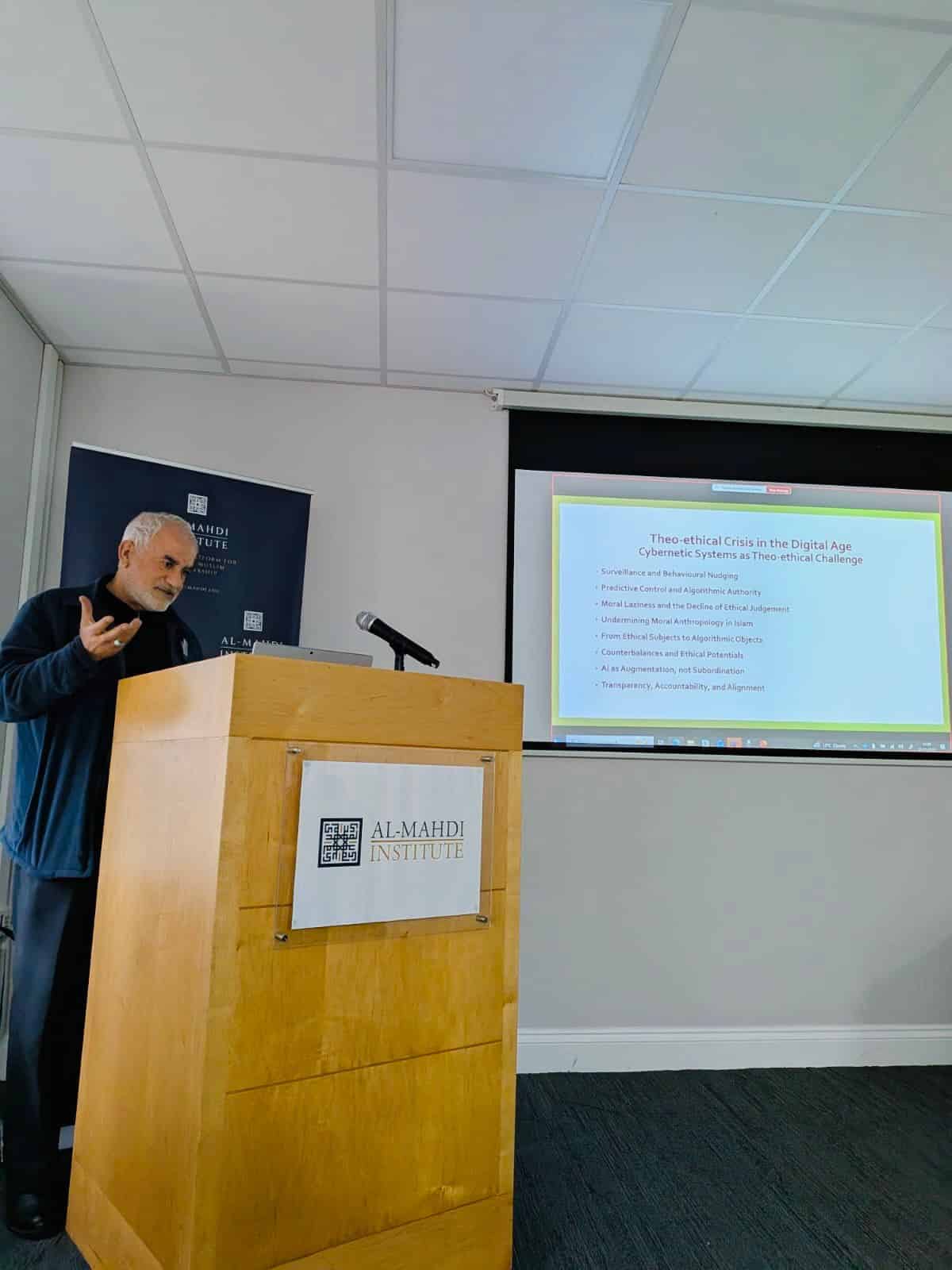
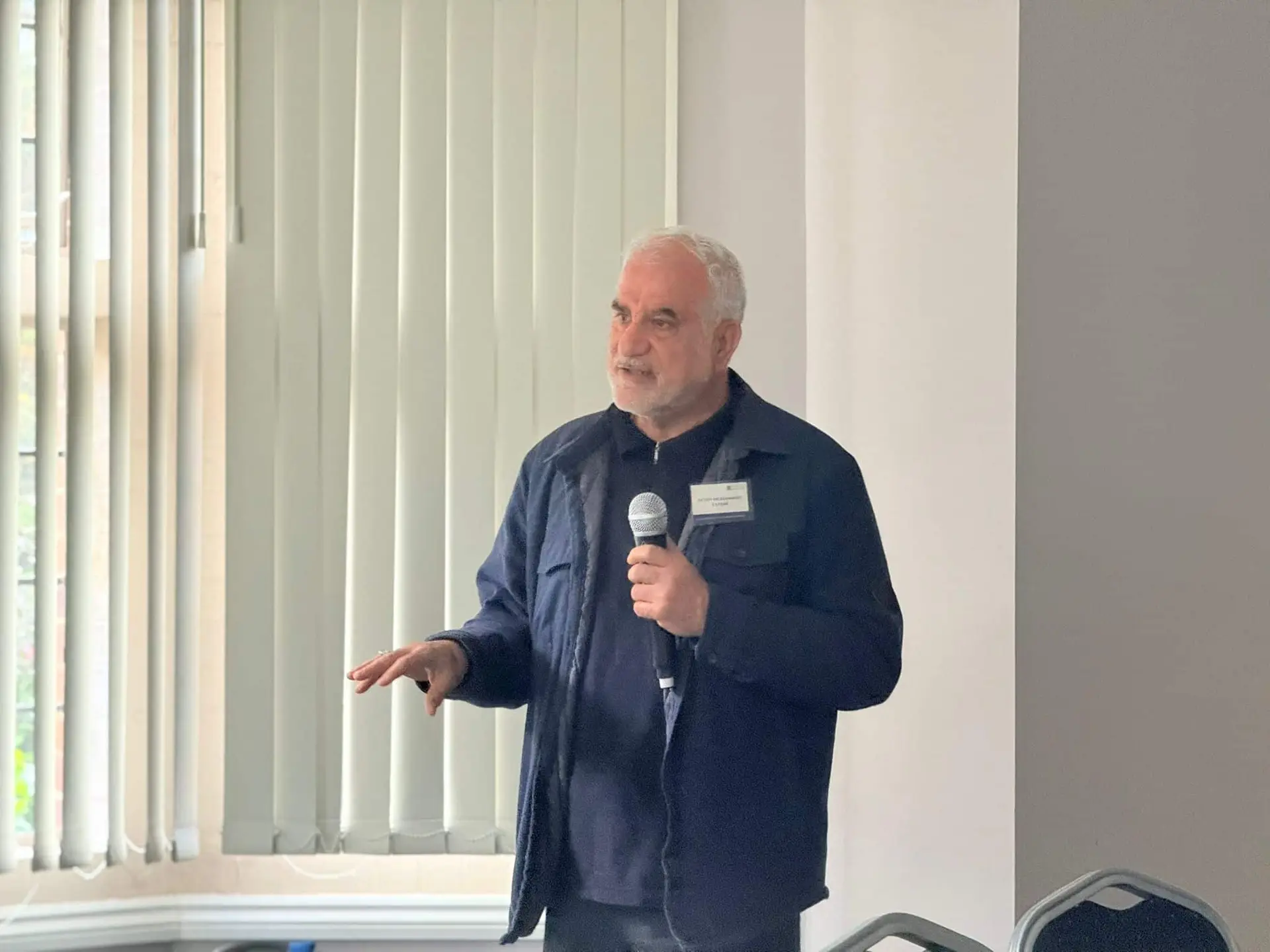
Following him, Professor Seyed Mohammad Fatemi (Al-Mahdi Institute and Mofid University) presented “Safeguarding Human Agency in the Age of the Cyber-Leviathan: An Islamic Perspective.” Drawing on Qurʾānic anthropology and Islamic human rights theory, Professor Fatemi warned against algorithmic domination that erodes human autonomy, describing the “Cyber-Leviathan” as a theological as much as political threat to moral agency.
Panel Two: Engaging Technology from Noodiverse and Local Perspectives
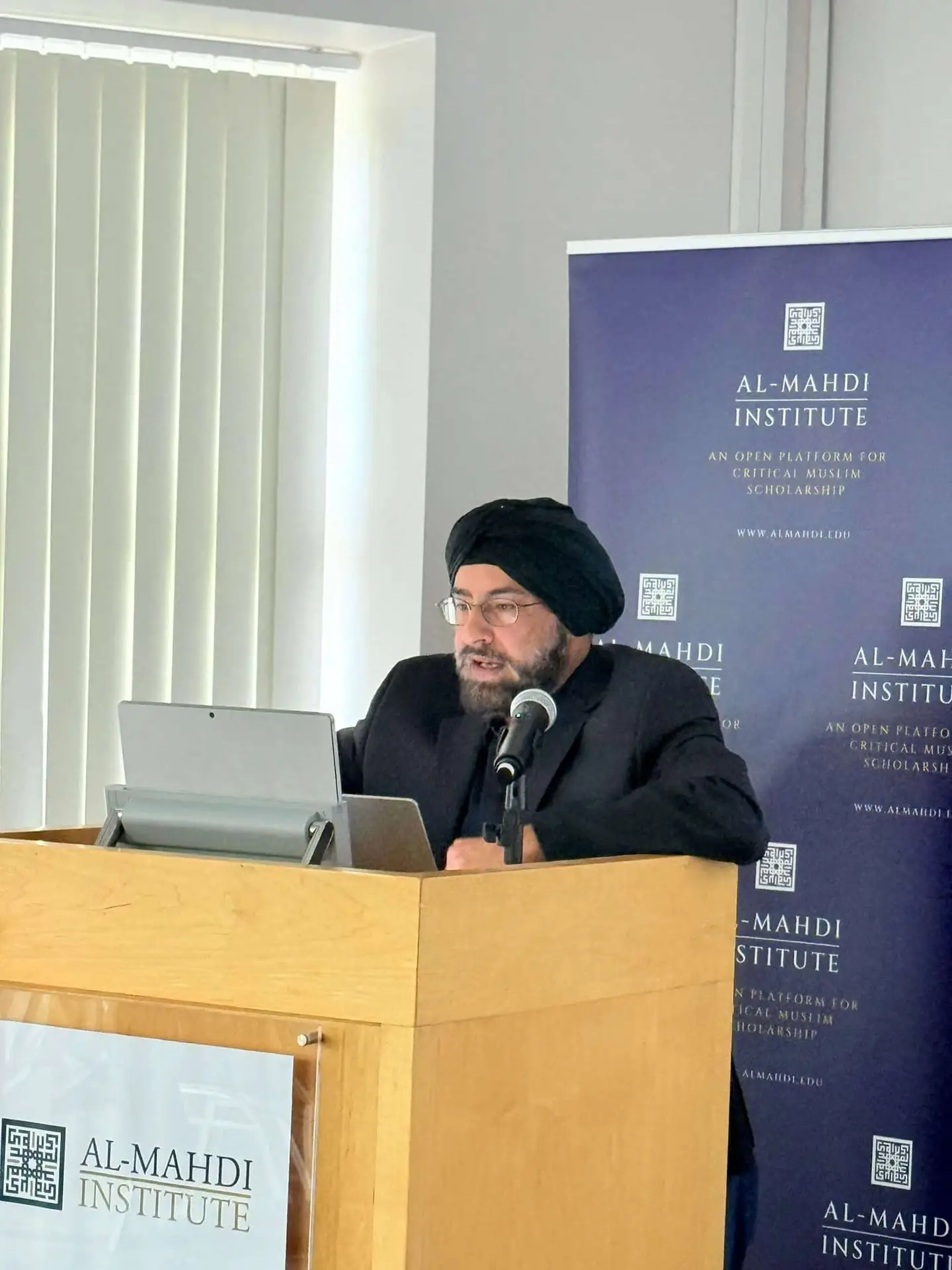
Professor Arvind-Pal S. Mandair (University of Michigan) explored “Technology and the Crisis of Modernity: Romano Guardini, Faith, and the Transformations of Power”, arguing that technology’s spiritual challenge demands a metaphysics beyond Western instrumentalism, drawing instead on Sikh ontology and cross-cultural individuation.
Professor João J. Vila-Chã (Pontificia Università Gregoriana, Rome) followed with “Digital Spiritualism: A New Meaning to Religious Secularism in India”, analysing how digital platforms hybridise the sacred and the secular in Indian religiosity.
Dr Zairu Nisha (University of Delhi) concluded by revealing how techno-modernity is redefining Indian spiritual experience through virtual religious engagement and hybrid religiosity.
Panel Three: Techno-Gnosticism and Transhumanism
Professor Michal Valčo (Comenius University, Bratislava) presented “Techno-Gnosticism for the Digital Age: AI, Transhumanism, and the Flight from Embodiment.” He proposed that technological redemption reassigns salvation from grace to algorithmic optimisation, contrasting Christian and Islamic anthropologies of embodiment.
Dr Hadil Lababidi (University of Zurich) followed with “Chances and Limitations of Using Digital Twins in Healthcare: An Islamic View”, examining how AI-driven “digital twins” challenge Islamic ethics and legal understandings of accountability and personhood.
Rev. Ugochukwu Stophynus Anyanwu (Pontificia Università Gregoriana) closed the panel with “Re-making the Human Being according to the Transhumanist’s Image and Likeness,” critiquing transhumanism’s attempt to recreate humanity in its own technological image as an affront to divine providence.
Day Two — Tuesday, 4 November 2025
Panel Four: Technology, Ritual, and Religious Performance
Dr Babak Rahimi (University of California, San Diego) examined “The Technicity of Muharram Devotional Performances,” demonstrating how Shiʿi ritual practice embodies a technicity of devotion that persists and transforms through history.
Jonathan Karr and Louisa Conwill (University of Notre Dame) presented “Equivocation and Erosion: How LLMs Undermine Catholic Religious Discourse,”. Their joint presentation analysed how language models flatten theological nuance, potentially eroding the integrity of Catholic doctrine.
Professor Sariya Cheruvallil-Contractor (Coventry University) followed with “Between the ‘Digital’ and the ‘Analogue’,” showcasing research on how online Muslim spaces transform generational understandings of authority, gender, and community.
Panel Five: Ethics, Apocalypse, and Faith Futures
Professor Esther D. Reed (University of Exeter) explored “On Accountability for the Taking of Human Life: Toward an Interfaith Ethic of Weapons Control,” integrating Jewish, Christian, and Islamic moral frameworks to propose shared theological bases for regulating modern warfare.
Professor Mahan Mirza (Ansari Institute, Notre Dame) presented “Techno Apocalypse in Islam: Between Utopia and Dystopia,” linking classical Islamic eschatology to contemporary debates on AI and transhumanism, envisioning a hopeful theological response to digital modernity.
Panel Six: Religion, Media, and Digital Communities
Professor Heidi A. Campbell (Texas A&M University) presented “Understanding the Digital Othering & Religious Bias Communicated in Popular Internet Memes,” analysing how meme culture shapes perceptions of faith and perpetuates religious bias online.
Rev. Dr Shonda Nicole Gladden (Indiana University) concluded with “Blue Notes and Black Codes: Womanism, Digital Faith, and the Algorithmic Future,” exploring how Black women’s religious communities reimagine digital spaces as sites of resilience, creativity, and justice.
The conference concluded with joint closing reflections from Dr Muhammed Reza Tajri and Professor William A. Barbieri, who emphasised the need for continued dialogue between theology, ethics, and digital humanities to ensure that faith traditions remain intellectually vibrant and socially relevant amid rapid technological change. The closing remarks also underlined the emergence of hope in future collaborations and the forging of new academic, intellectual and faith-based relationships.
Reflections and Future Directions
The Adaptive Faith conference illuminated the many ways religion both shapes and is reshaped by technological modernity. Across twelve papers and six panels, participants addressed questions of moral agency, embodiment, ritual technicity, and the digital reconfiguration of religious authority.
Themes of human dignity, autonomy, community, and ethical responsibility emerged as common threads linking Islamic, Christian, Sikh, Hindu, and secular perspectives. By engaging with cutting-edge developments in AI, transhumanism, and digital culture, the conference highlighted not only the philosophical depth of religious traditions but also their adaptive potential for navigating moral futures.
Resources
| Full Name of Speaker | Title of Research Paper (Click to View Abstract) | Listen to Podcast |
| Dr Rahul Kumar Maurya | Ethics, Human Nature and AI’s Challenge | Listen Now |
| Professor Seyed Mohammad Fatemi | Safeguarding Human Agency in the Age of the Cyber-Leviathan: An Islamic Perspective | Listen Now |
| Professor Arvind-Pal S. Mandair | Engaging Technology from Noodiverse and Local Perspectives | Listen Now |
| Professor João J. Vila-Chã | Technology and the Crisis of Modernity: Romano Guardini, Faith and the Transformations of Power | Listen Now |
| Dr Zairu Nisha | Digital Spiritualism: A New Meaning to Religious Secularism in India | Listen Now |
| Professor Michal Valčo | Techno-Gnosticism for the Digital Age: AI, Transhumanism, and the Flight from Embodiment | Listen Now |
| Dr Hadil Lababidi | Chances and Limitations of Using Digital Twins in Healthcare: An Islamic View | |
| Rev. Ugochukwu Stophynus Anyanwu | Re-making the Human Being according to the Transhumanist’s Image and Likeness: An Assault on Religious Belief? | Listen Now |
| Dr Babak Rahimi | On the Technicity of Muharram Devotional Performances | Listen Now |
| Jonathan Karr & Louisa Conwill | Equivocation and Erosion: How LLMs Undermine Catholic Religious Discourse | Listen Now |
| Professor Sariya Cheruvallil-Contractor | Between the ‘Digital’ and the ‘Analogue’: Intergenerational Transformations within Diverse Muslim Communities | Listen Now |
| Professor Esther D. Reed | On Accountability for the Taking of Human Life: Toward an Interfaith (Jewish, Christian, Islamic) Ethic of Weapons Control | Listen Now |
| Professor Mahan Mirza | Techno Apocalypse in Islam: Between Utopia and Dystopia | Listen Now |
| Professor Heidi A. Campbell | Understanding the Digital Othering & Religious Bias Communicated in Popular Internet Memes and Implications for Religious Communities | Listen Now |
| Rev. Dr Shonda Nicole Gladden | Blue Notes and Black Codes: Womanism, Digital Faith, and the Algorithmic Future | Listen Now |
Gallery